


 Post a comment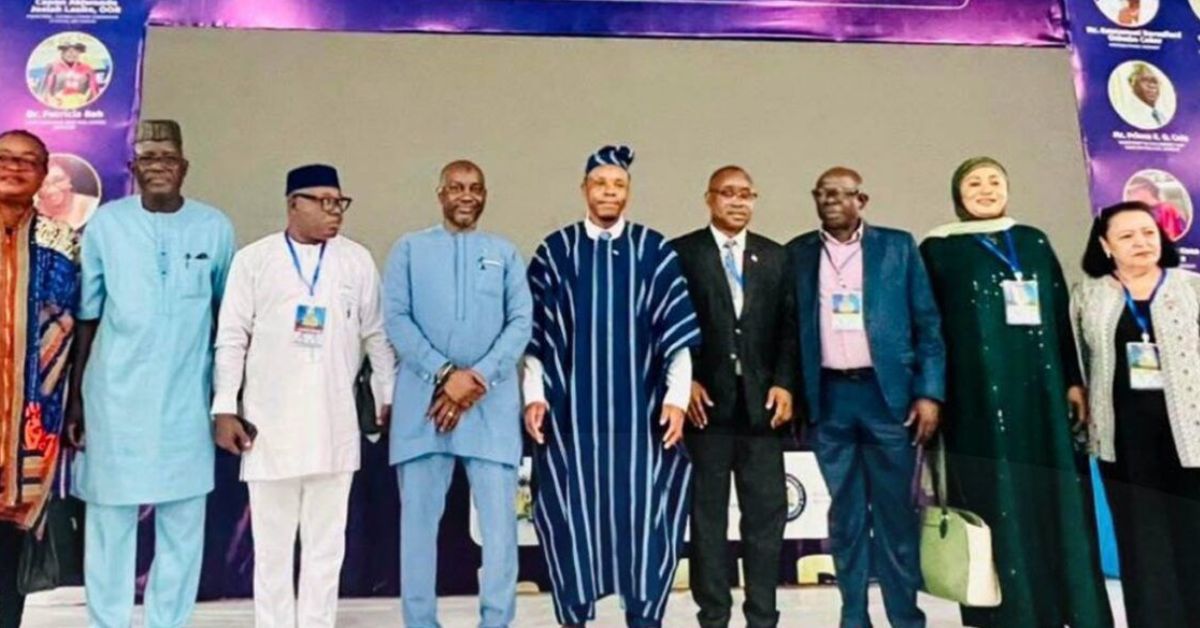
Sierra Leone on Tuesday, 23 June 2026, commemorated the United Nations Public Service Day for the first time, with the government unveiling a series of reforms aimed at strengthening the country’s civil service and improving public sector performance.
The national observance brought together government officials, civil servants, and development partners to recognize the contribution of public servants while highlighting ongoing efforts to modernize state institutions and enhance service delivery.
Representing President Julius Maada Bio at the ceremony, Chief Minister Moinina David Sengeh described public sector reform as one of the government’s key development priorities. He said an effective and accountable public service remains essential to national development and the delivery of quality services to citizens.

Sengeh noted that public servants, including healthcare workers, teachers, administrators, and revenue officials, play a critical role in the functioning of the state and the well-being of communities across the country.
During the event, government officials announced several initiatives intended to strengthen governance and improve efficiency within the public service. Among the reforms are plans to introduce Sierra Leone’s first Public Service Bill and proposals for a constitutional framework dedicated to the public service sector.
Authorities also reported progress in conducting management and functional reviews across more than 40 public institutions as part of efforts to improve organizational effectiveness and accountability.
The government further disclosed that a digital Human Resources Hub is being developed to modernize personnel management, while the Civil Service Training College is being transformed into a Public Service Academy to enhance professional development within the sector.
Officials said more than 100 civil servants have received overseas scholarships and training opportunities in recent years, while recruitment processes within the civil service are being digitized to promote transparency and efficiency.
Additional reforms include the development of a Code of Conduct for Ministers and Political Office Holders and ongoing work by the Wages and Compensation Commission to harmonize salaries and improve remuneration structures across the public sector.
The ceremony also recognized outstanding public servants for their contributions to national development. Twenty-seven awards were presented to individuals from various sectors in recognition of exemplary service and dedication.
Government officials said the reform agenda aligns with President Bio’s human capital development priorities and is intended to strengthen transparency, accountability, and professionalism within public institutions.
Speakers at the event also reflected on the importance of public service as a national calling and emphasized the role of civil servants in shaping the everyday lives of citizens.
The observance of United Nations Public Service Day marks a new milestone for Sierra Leone as the country seeks to build a more effective, responsive, and accountable public service system.


