

FIA Hosts ARINWA Delegation as Sierra Leone Moves to Recover Stolen Wealth
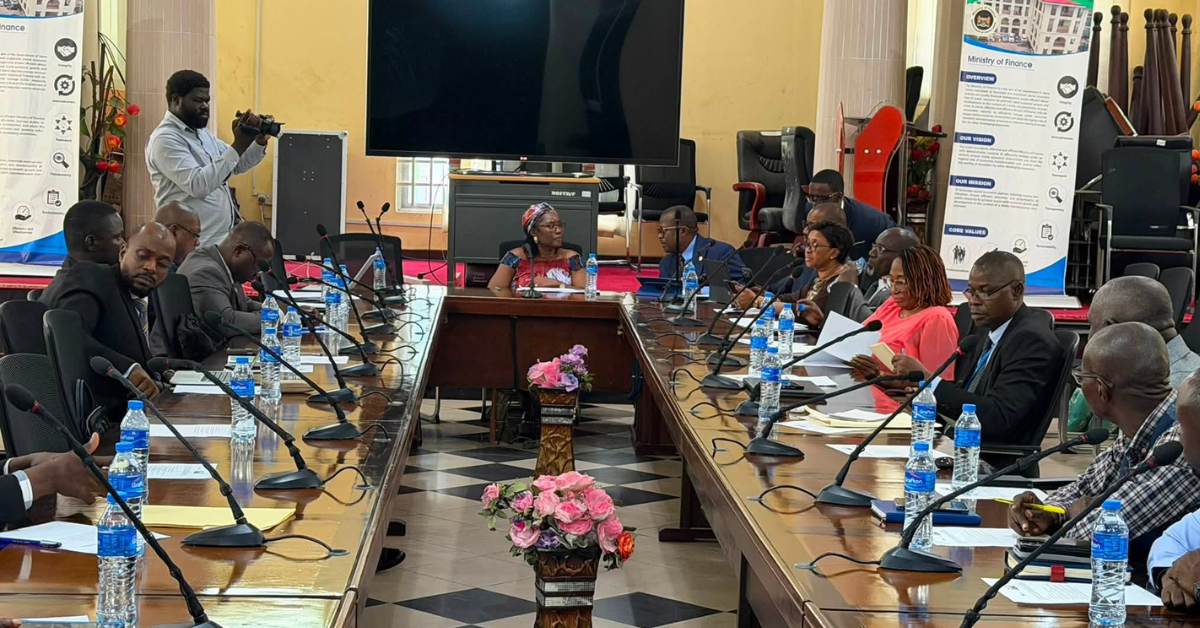
Sierra Leone took a decisive step this week toward strengthening its capacity to trace and recover criminal assets when Mor Ndiaye, President of the Asset Recovery Inter Agency Network for West Africa (ARINWA), led a high-level advocacy mission in Freetown.
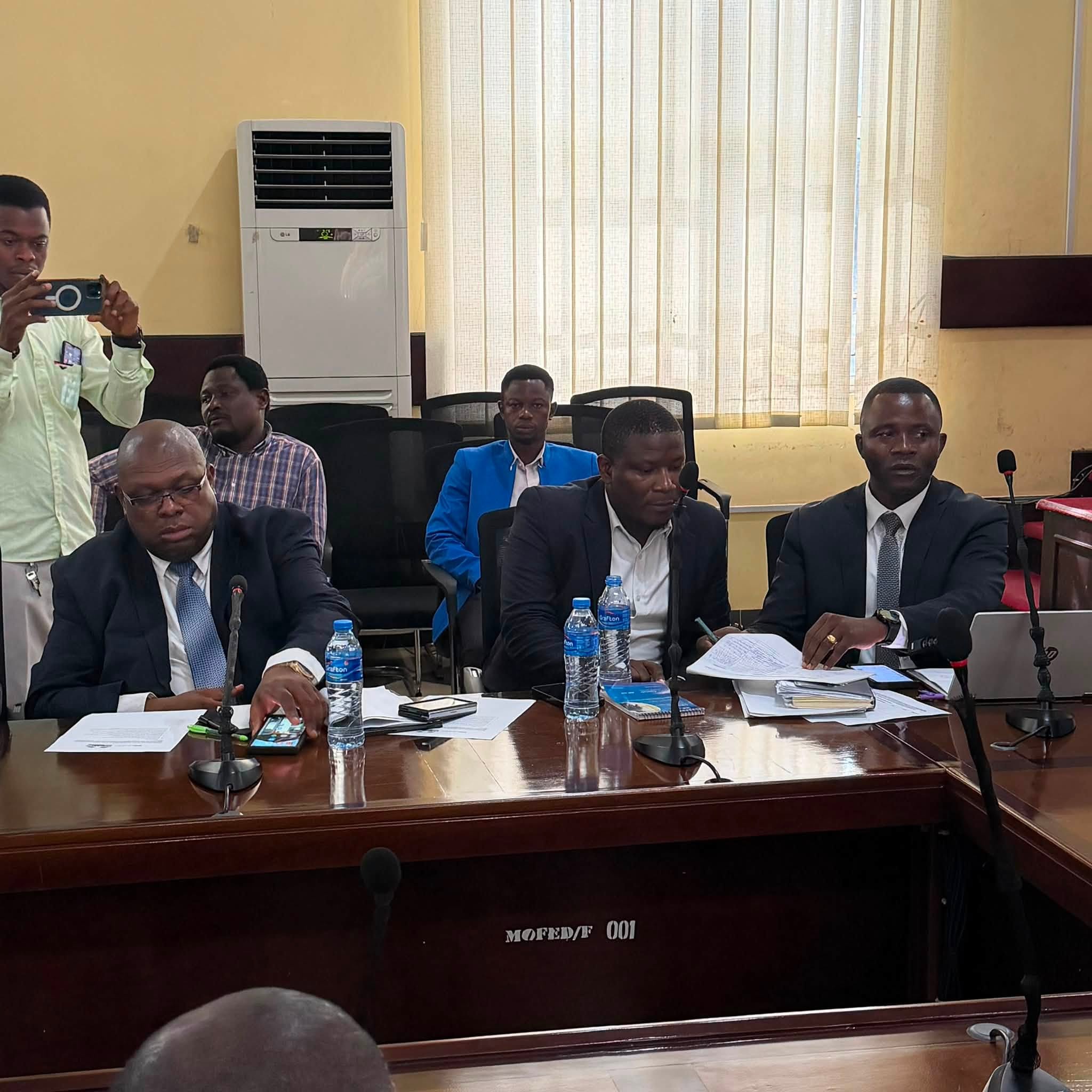
Hosted by the Financial Intelligence Agency (FIA) at the Ministry of Finance Conference Hall, the engagement framed accession to ARINWA as a practical tool for returning stolen wealth to the public purse and tightening the net around transnational financial crime.
Rather than presenting accession as merely a diplomatic formality, Sierra Leonean officials positioned the move as part of a broader domestic reform agenda. The FIA used the meeting to unveil a proposed roadmap for a specialised national structure to identify, freeze, confiscate, manage, and dispose of proceeds and instrumentalities of crime. The plan emphasises legal clarity, operational coordination, and transparent asset management so recovered funds can be repurposed for public services.

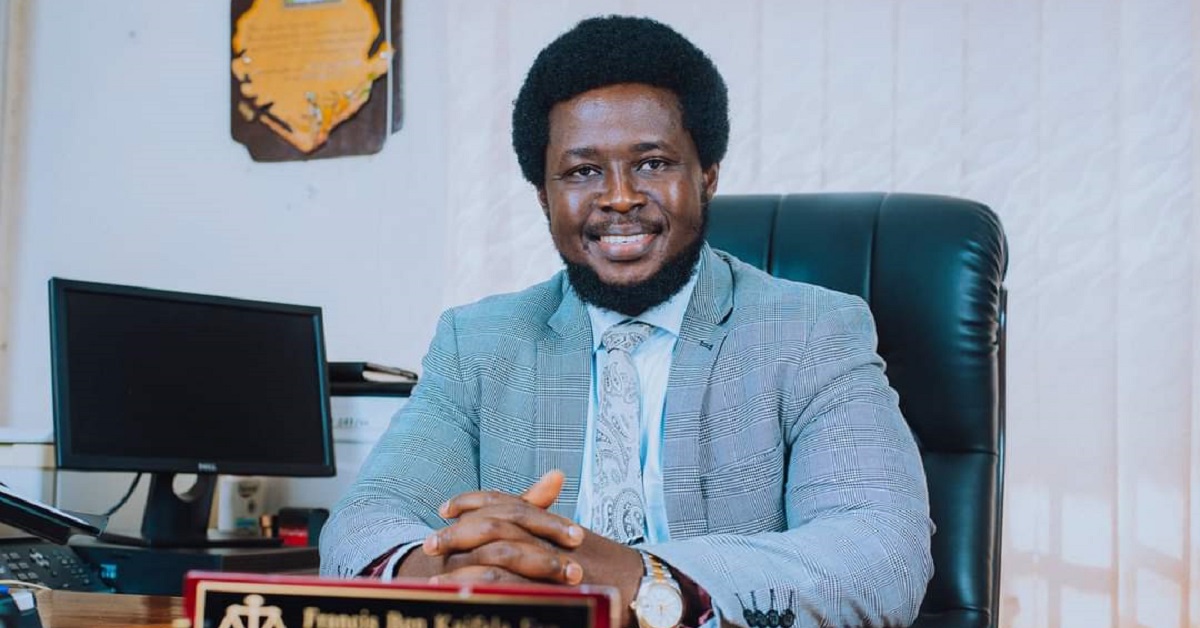
Mr Abdullah Sesay, Director of the FIA’s Litigation and Sanctions Department, outlined concrete institutional changes under consideration, including streamlined interagency protocols and safeguards to ensure recovered assets are handled with accountability. The presentation stressed that technical systems and clear administrative roles are essential to turn asset recovery from a legal outcome into a visible public benefit.
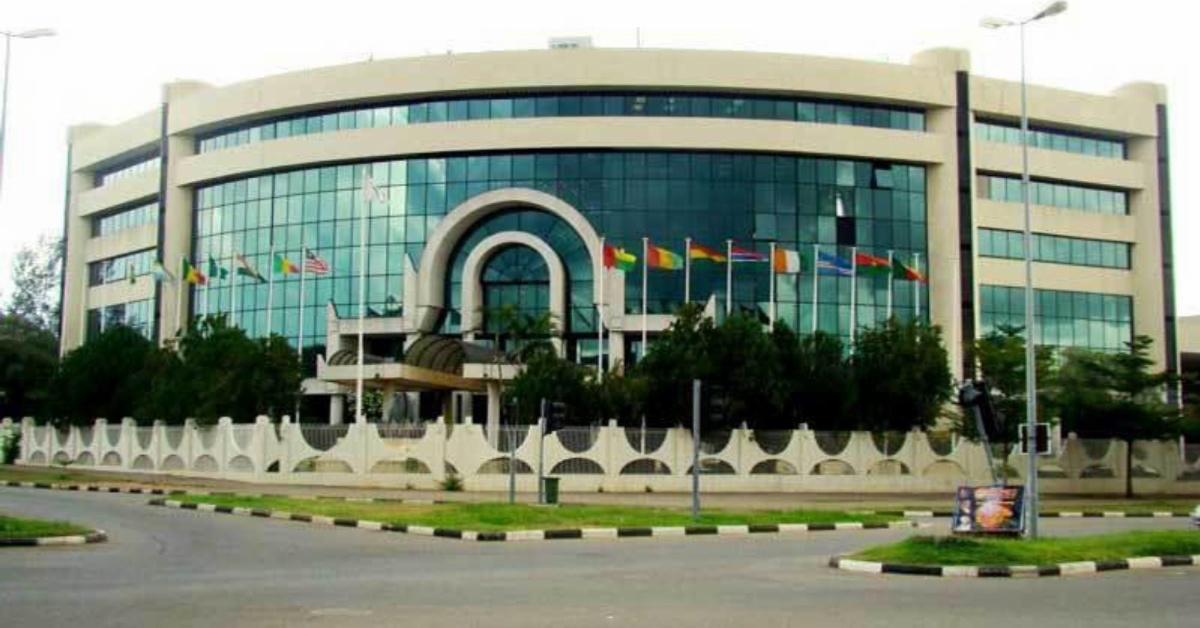
ARINWA’s President, Mor Ndiaye, framed membership as a force multiplier for Sierra Leone’s existing efforts. He described ARINWA as a network that accelerates cross-border information exchange, provides operational support for asset tracing, and delivers targeted training to investigators and prosecutors. Ndiaye highlighted that faster mutual assistance and the sharing of best practices can reduce delays that often allow illicit assets to be hidden or dissipated.
Officials noted immediate, practical advantages: quicker access to intelligence from neighbouring jurisdictions, standardised procedures for freezing assets, and technical assistance to build forensic financial capabilities. For a country seeking to recover assets tied to complex, transnational schemes, those operational improvements can translate into recoveries that would otherwise be unattainable.
Beyond technical capacity, the meeting underscored the political importance of visible asset recovery. Speakers linked effective recovery mechanisms to public trust, arguing that when citizens see stolen assets returned and reinvested in services, confidence in institutions grows.
The proposed framework includes transparency measures intended to prevent politicisation of recovered funds and to ensure that disposals follow clear, auditable processes.
Participants also discussed the need for legal safeguards to protect due process while enabling timely action. The balance between robust enforcement and rights protection was presented as central to sustaining public support and avoiding legal setbacks that can derail recovery efforts.
ARINWA pledged technical assistance, training, and knowledge sharing to support Sierra Leone’s institutional strengthening. Delegation members emphasised capacity building for prosecutors, financial investigators, and asset managers, along with the development of digital tools for asset tracing. Officials described these supports as long-term investments rather than one-off interventions, aimed at embedding durable capabilities within national agencies.
Sierra Leone’s decision to be among the first of the remaining non-member West African states to initiate accession was framed as a signal of political will. Observers at the meeting said that accession would not only improve cross-border cooperation but also attract donor confidence in the country’s anti-corruption reforms.
The ARINWA delegation, which arrived on 23 June and concludes engagements on 25 June 2026, will follow up with technical teams to translate the roadmap into actionable steps. Officials expect a phased approach: legal and procedural reforms first, followed by operational pilot projects and targeted training programs. If implemented, those steps aim to shorten the time between detection and recovery and to ensure recovered assets are managed transparently for public benefit.
This advocacy mission reframed asset recovery as a governance priority with tangible public returns. By coupling regional cooperation through ARINWA with concrete domestic reforms, Sierra Leone is signalling a shift from reactive investigations to a proactive, systematised approach to depriving criminals of illicit gains and restoring value to citizens.