

Minister Wurie Calls for Reform of Education Systems to Match Labour Market Needs
 Sia Lucy Kannah
 The Minister of Technical and Higher Education, Dr. Haja Ramatulai Wurie, has called for a new era of leadership that places skills, innovation, and strategic partnerships at the centre of Africa’s employment agenda.
Declaring that meaningful work for young people begins with education systems that are designed in partnership with industry.
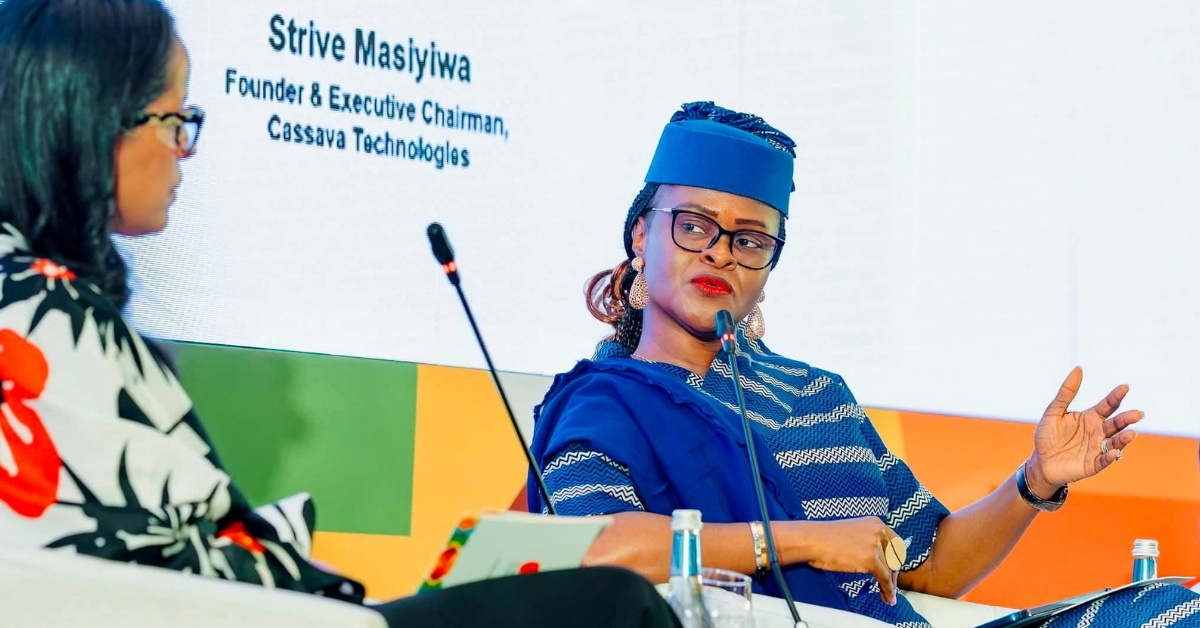
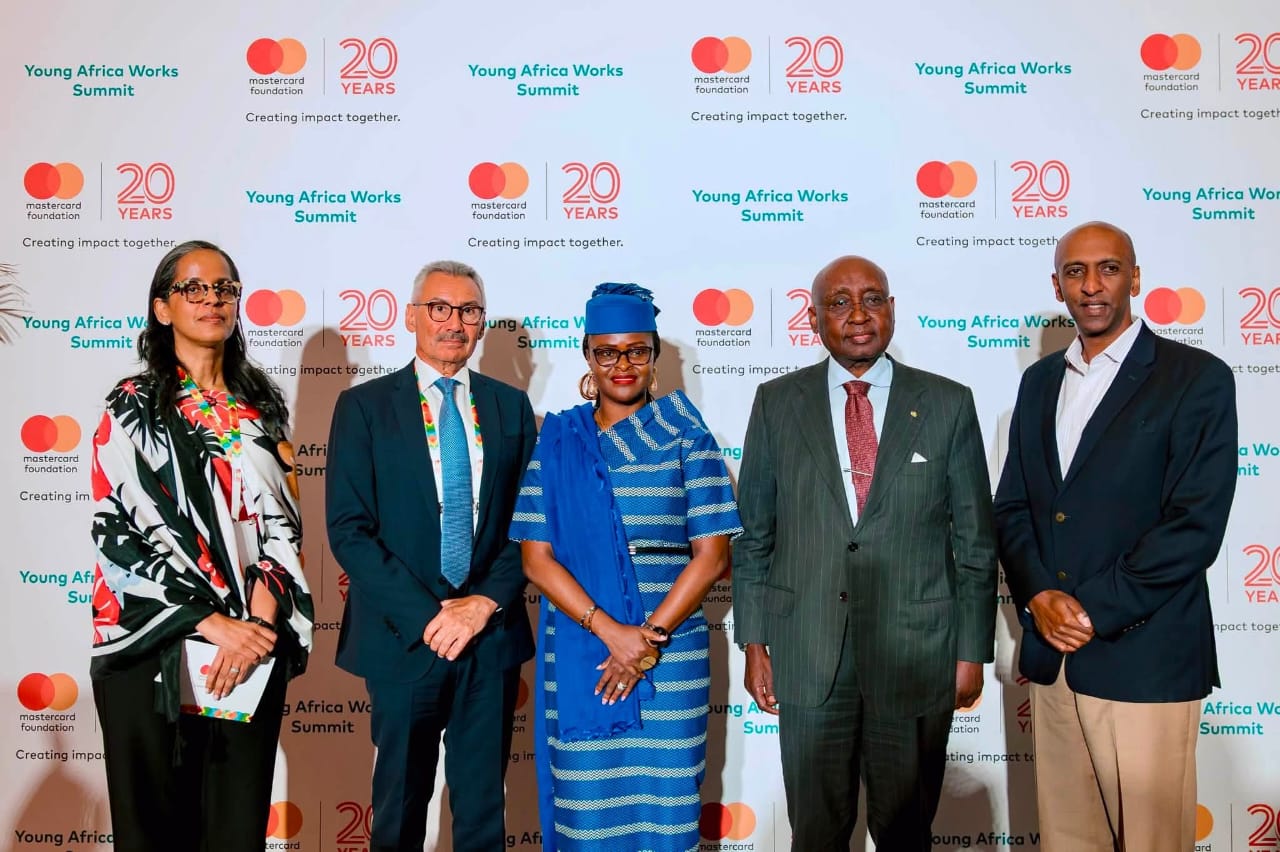
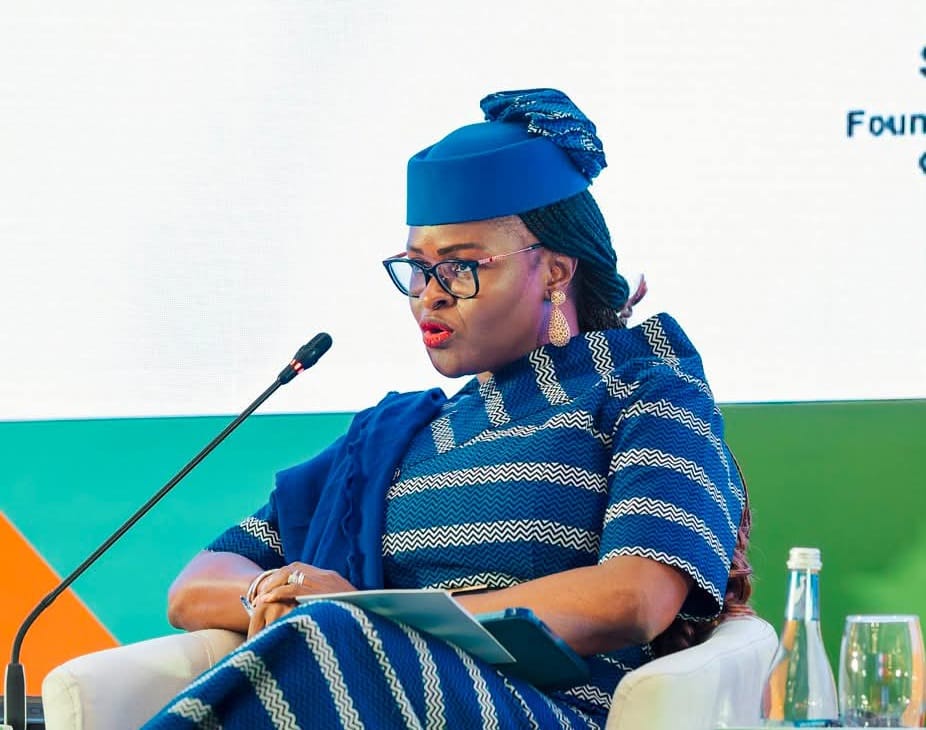
The Minister made the remarks while participating as a panelist at the Mastercard Foundation Young Africa Works Summit, held in Kigali, Rwanda, under the theme “Advancing Dignified and Fulfilling Work for Young People.”

She joined the high-level panel discussion, “Powering Dignified and Fulfilling Work at Scale: Leadership Perspectives,” alongside Sewit Ahderom, President and CEO of the Mastercard Foundation, who moderated the session.



Minister Wurie outlined the reforms her Ministry is currently implementing to strengthen the transition of young people from education to employment by ensuring that young people acquire the skills needed for productive, resilient, and dignified livelihoods.
When asked to choose one reform that would make the biggest difference in helping young people move successfully from learning or education into work, the Minister highlighted “Skills for Industry, with Industry.” She explained that the future of education lies in moving from preparing graduates for industry to developing skills with industry. This way, employers actively shape curricula, provide workplace learning opportunities, and become long-term partners in developing the nation’s workforce.
Dr Wurie highlighted Sierra Leone’s dual apprenticeship policy that helps in terms of giving young people valuable on-the-job skills training, where they spend time in the industry, and depending on how well they perform, that might also increase their chance of employment.
The Minister also reaffirmed the Ministry’s commitment to inclusive education and equitable access to opportunity. She outlined deliberate efforts to increase women’s participation in technical disciplines, expand opportunities for young people in underserved communities, and leverage digital technologies to support lifelong learning.
Addressing the role of government in creating dignified work at scale, Dr Wurie emphasized that effective leadership requires collaboration across ministries and sectors.
“We cannot afford to work in silos,” she said, calling for stronger coordination among government institutions, industry, development partners, higher education institutions, and young people themselves to co-create policies that respond to labour market realities.
Finally, she further advocated for sustainable financing of Technical and Vocational Education and Training (TVET), stressing that long-term investment in skills development is essential for national productivity, industrial growth, and economic resilience.