

IFJ Warns of Coordinated Attacks Targeting Women Journalists
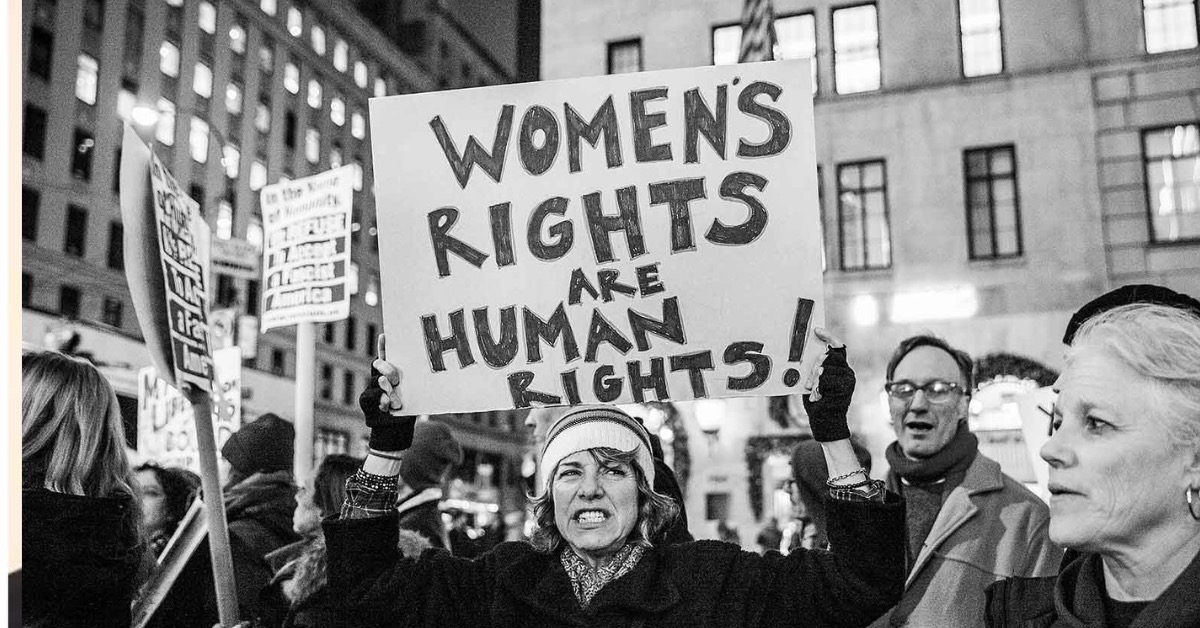
The International Federation of Journalists (IFJ) has issued a warning over a surge in sexist and gender-based attacks against women journalists worldwide, describing the trend as a critical threat to press freedom and democratic discourse.
In a statement from its Gender Council, the IFJ said women journalists are increasingly facing physical attacks, workplace harassment, coordinated online abuse and intimidation because of both their profession and gender.
According to the organisation, such attacks are being reported in multiple countries and are undermining the safety, professional independence and ability of women journalists to report on matters of public interest.

The Gender Council identified the issue as a priority under its newly adopted 2026–2029 strategy, which calls for a zero-tolerance approach to sexual harassment and discrimination in newsrooms, journalists’ unions and online spaces.
The warning follows the recent election of a new Gender Council leadership, including Javeria Siddique of Pakistan as Regional Gender Coordinator for the Asia-Pacific region and María Ángeles Samperio of Spain, who was re-elected as chairperson.
The IFJ highlighted several recent cases to demonstrate the different forms of abuse facing women journalists.
In July, several women journalists covering protests at Jantar Mantar in New Delhi, India, reportedly faced physical attacks and harassment. The IFJ said India had reached a “critical point” over such incidents during 2025–2026.
Workplace harassment also remains a major concern. In Cambodia, the IFJ highlighted a case involving physical and verbal harassment at a local English-language newspaper that reportedly remained unresolved for years despite internal complaints.
The organisation also warned that harassment has increasingly moved into the digital space, evolving from individual online abuse into coordinated campaigns designed to intimidate journalists and force them into self-censorship.
The misuse of artificial intelligence, including manipulated photographs and deepfakes, has added another layer of risk.
In Panama, journalist Sol Lauría Paz reportedly faced a coordinated campaign involving threats, doxxing and AI-generated image manipulation following an investigation linked to the Cobre Panamá mine controversy.
The IFJ Gender Council is calling for stronger enforcement of national and international laws, safer workplace protocols and greater opportunities for women journalists to occupy leadership and decision-making positions.
It also called for appropriate regulation of artificial intelligence to prevent the technology from being weaponised to harass, intimidate or silence journalists.
The IFJ stressed that protecting women journalists is not only a workplace equality issue but also a fundamental press freedom concern.
It warned that when harassment forces journalists to withdraw from public debate or practise self-censorship, the public’s access to independent information is compromised.
The organisation is therefore urging governments, media owners, journalists’ unions and other stakeholders to make the safety of women journalists a priority and establish effective reporting, protection and accountability mechanisms.