


 Post a comment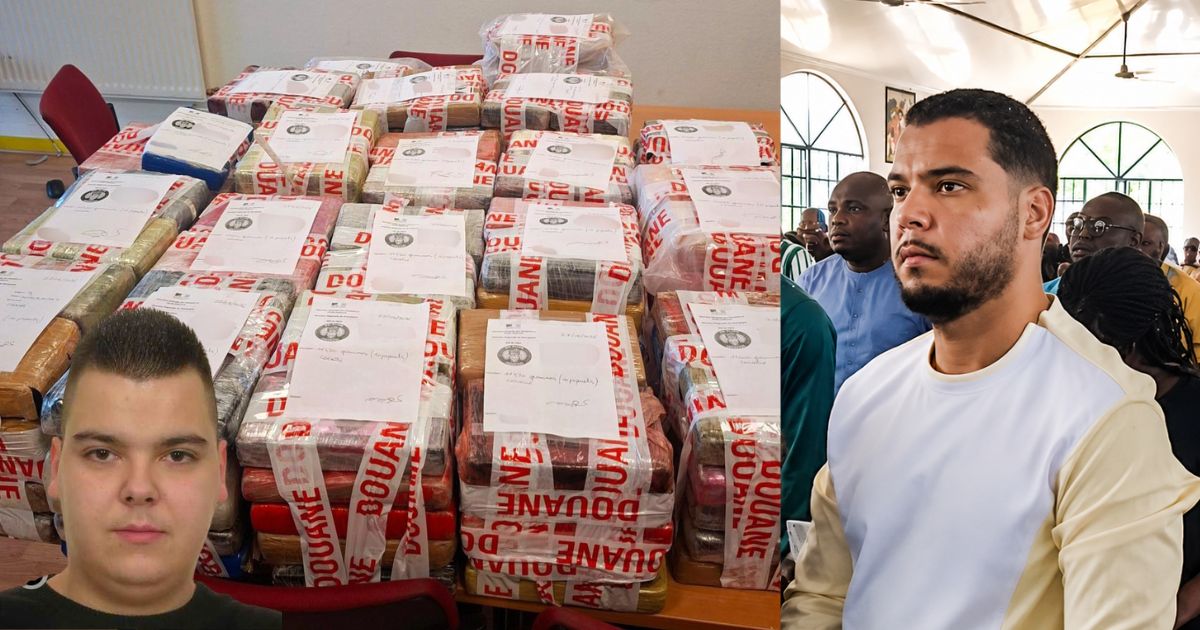
The Narcotics Control Commission (NACOC) of Ghana has arrested three suspects accused of facilitating the operations of Dutch fugitive Jos Leijdekkers, known as “Bolle Jos,” following a major cocaine seizure by French authorities.
The arrests, announced in a statement dated September 14, 2026, come after French customs seized nearly 3.9 tonnes of cocaine at the port of Dunkirk. The shipment, valued at approximately €225 million, was concealed in a container of plastic waste that originated from Ghana and was bound for Antwerp, Belgium.
The NACOC statement said the three suspects are in custody and assisting investigators in determining their alleged roles in the trafficking network. The commission emphasized that Ghana will not be a safe haven or operational base for international drug trafficking organisations.

Leijdekkers, a Dutch national convicted in absentia in the Netherlands and Belgium for large-scale cocaine trafficking, is believed to be operating from West Africa. Dutch authorities have issued a €200,000 reward for information leading to his arrest.
The case has generated significant tension between the Netherlands and Sierra Leone. Dutch Justice Minister David van Weel recently requested that the European Union halt hundreds of millions of euros in development aid to Sierra Leone over its failure to extradite Leijdekkers.
Sierra Leone’s Prime Minister, David Moinina Sengeh, condemned the request as “shameful” and “neo-colonialism,” stating that the country’s intelligence services do not know Leijdekkers’ whereabouts and that the Netherlands must provide evidence if it has any.
Recent large-scale cocaine seizures in the region have raised alarm among West African governments and international partners. In May 2026, Spanish authorities intercepted the cargo vessel Arconian, which had departed from Freetown, Sierra Leone, and seized over 30 metric tons of cocaine—one of the largest maritime drug seizures in modern history.
Sierra Leone’s main opposition party, the All People’s Congress, has also raised concerns about the country’s alleged role as a transit hub for international drug trafficking networks.
Leijdekkers is described by European law enforcement as a central figure in a network that moves cocaine from Latin America through West Africa to European markets. Dutch authorities allege his organization has also been involved in gold smuggling and money laundering operations.


