
FBC Social Work Students Exposed to Disability Rights and Inclusion at Public Lecture
 Sahid Bangura
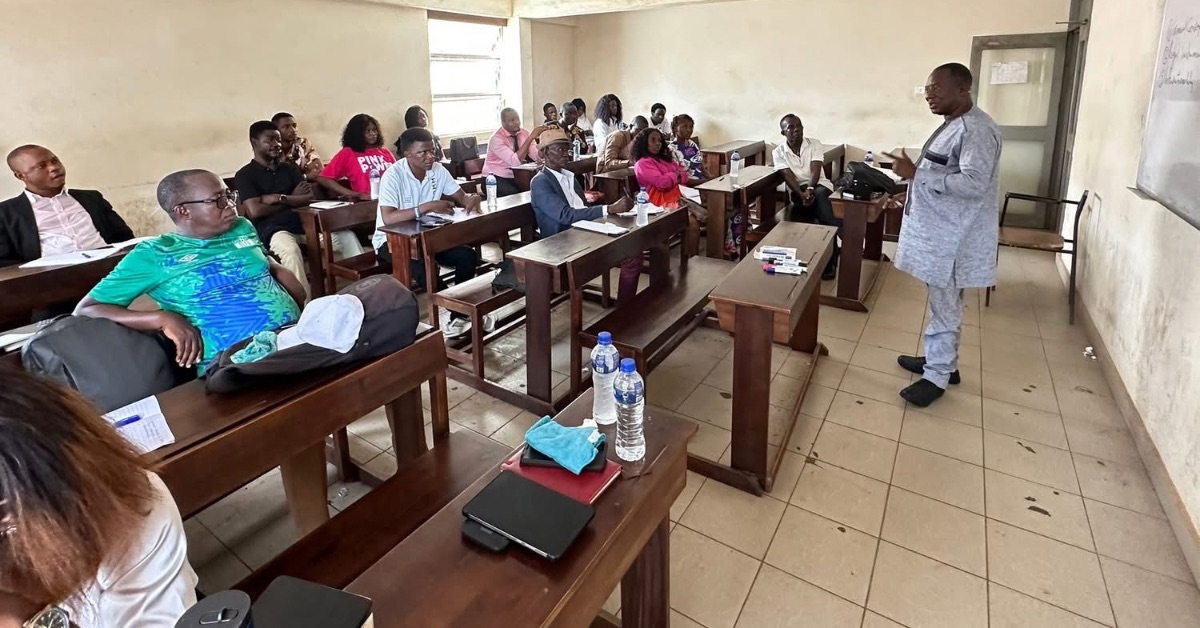
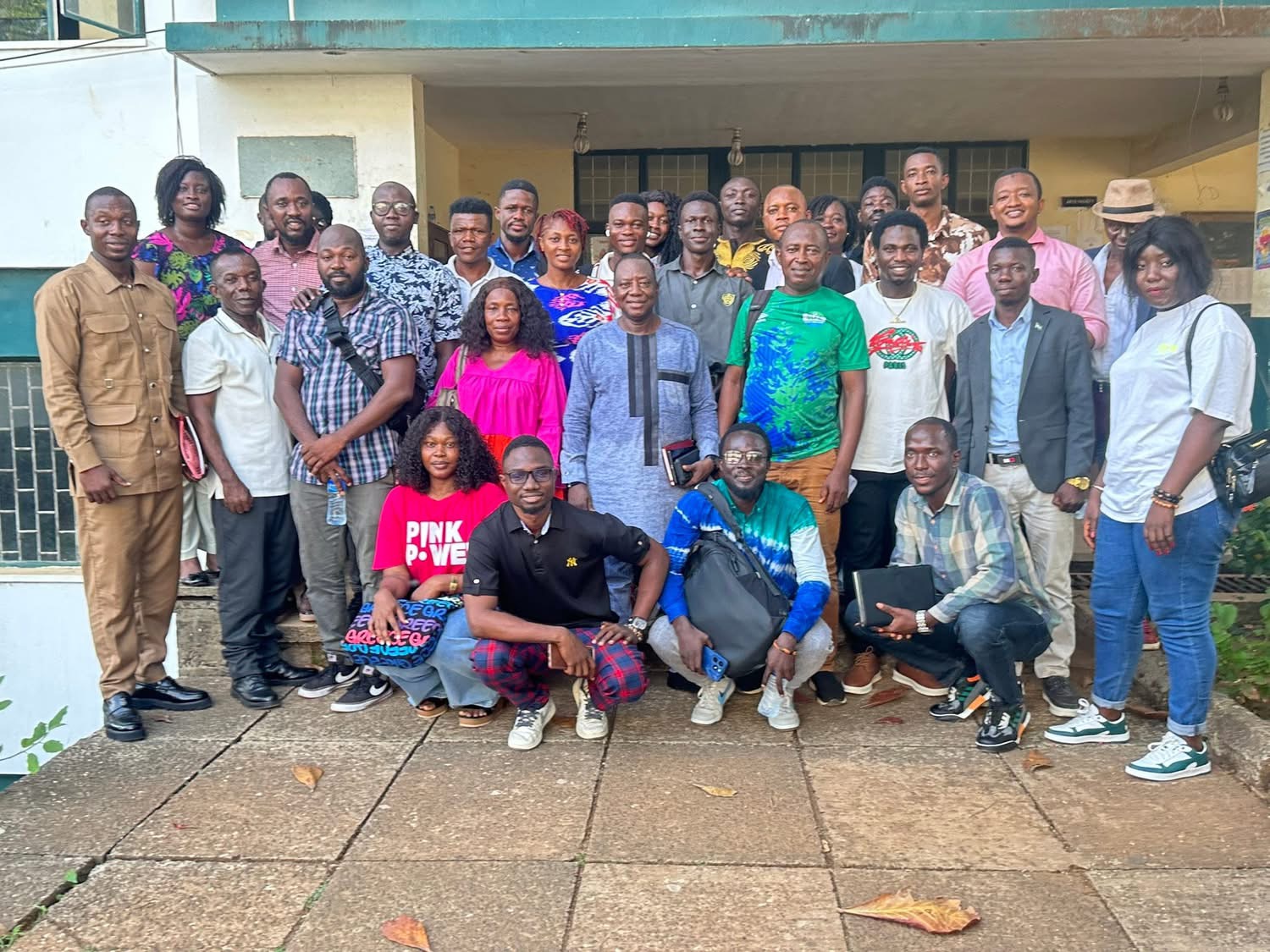
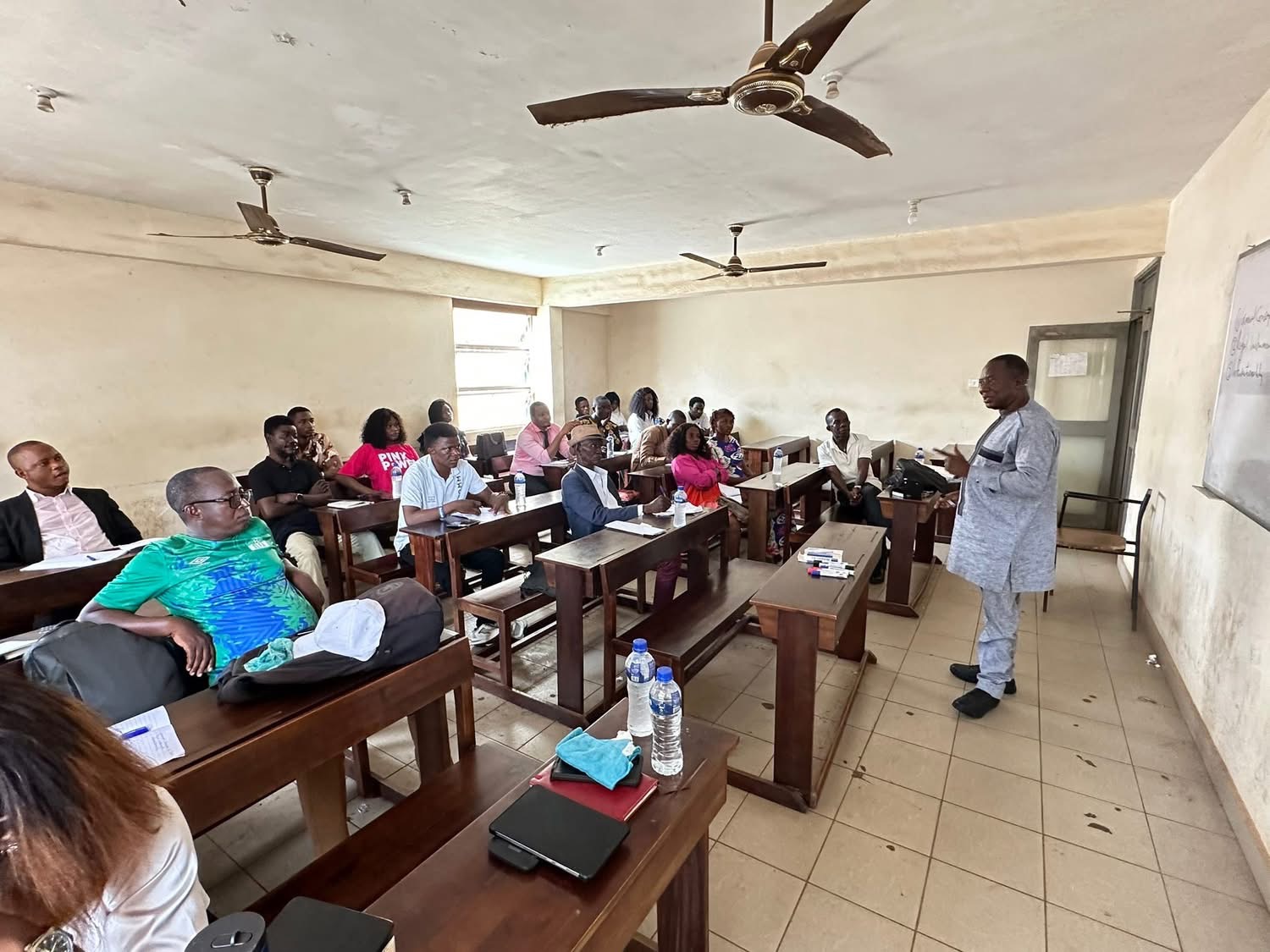
 Students pursuing the Master of Social Work (MSW) programme at the Department of Social Work, Fourah Bay College (FBC), have gained practical knowledge on disability rights, inclusion, and human rights advocacy during a public lecture delivered by the Chairman and Chief Commissioner of the National Commission for Persons with Disability.
The lecture, held on Thursday, 21 May 2026, at the FBC campus in Freetown, was organized following an invitation by lecturer Abu George Mansaray, who described the Chairman as a respected figure with extensive experience in governance, human rights advocacy, and disability inclusion in Sierra Leone.
Speaking during the session, Mansaray said the invitation was intended to expose social work students to practical experiences and expert perspectives that would strengthen their professional understanding and advocacy skills in working with vulnerable and marginalized groups.

He noted that the lecture formed part of ongoing efforts by the Department of Social Work to deepen awareness on disability issues and promote inclusive social work practice among future professionals in the country.
Addressing the students, the Chairman emphasized that disability should not be viewed only from charity or medical perspectives, but as a human rights and development issue that requires equal participation and inclusion in society.
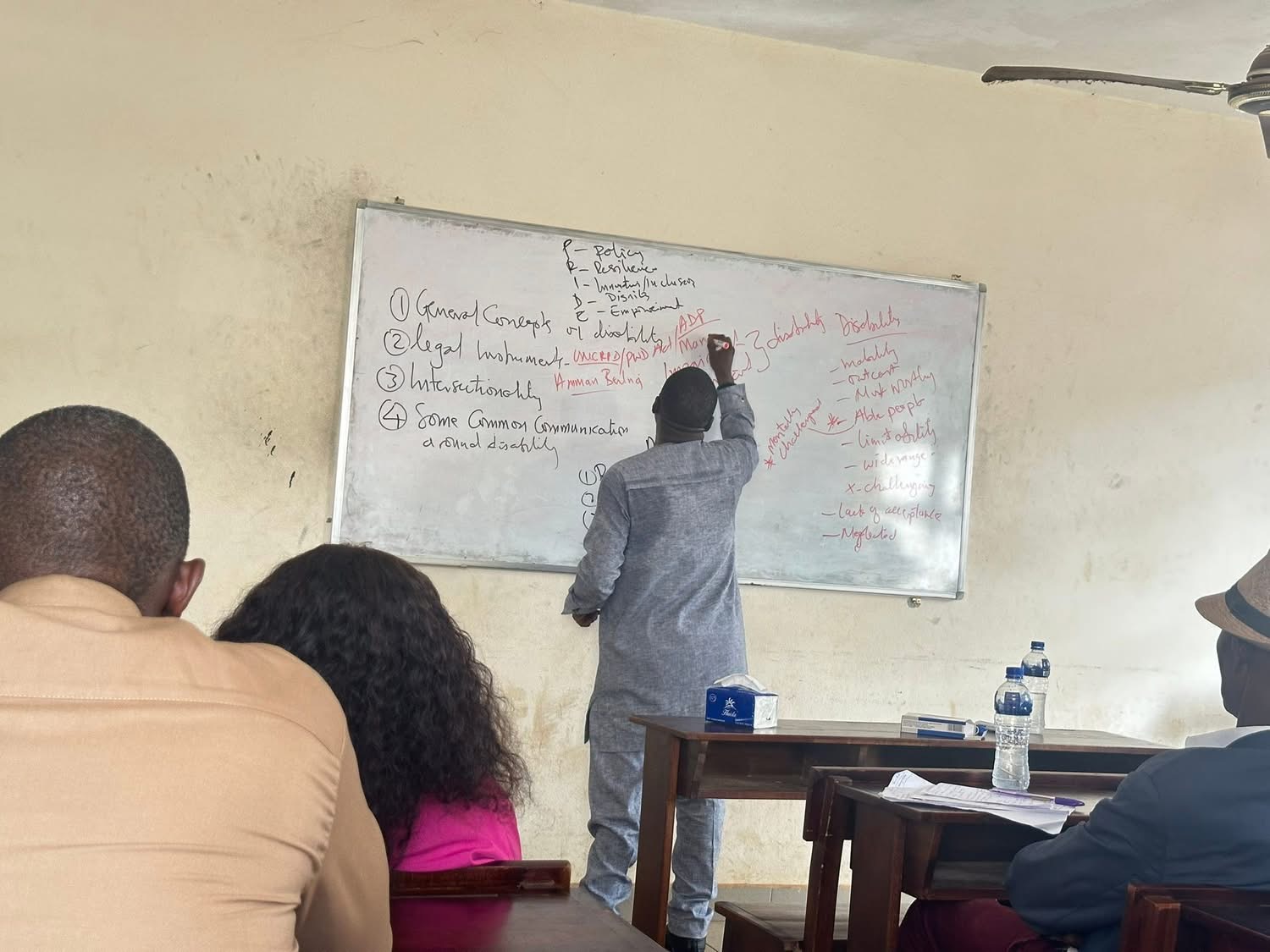
He explained several key disability concepts and encouraged the students to adopt inclusive approaches in their future professional engagements. According to him, social workers play an important role in advocating for equal opportunities, accessibility, dignity, and non-discrimination for persons with disabilities.
The Chairman also highlighted national and international legal frameworks protecting the rights of persons with disabilities, including the United Nations Convention on the Rights of Persons with Disabilities (UNCRPD) and Sierra Leone’s disability laws and policies.
During the lecture, he further discussed the concept of intersectionality, explaining that disability often overlaps with challenges such as poverty, gender inequality, age, limited education, and geographic barriers, which can increase the vulnerability of persons with disabilities.
He urged the students to take these realities into consideration when designing interventions, support systems, and advocacy programmes for affected communities.
Students also received guidance on the use of respectful disability terminology and appropriate language when referring to persons with disabilities. The Chairman cautioned against the use of derogatory and stigmatizing expressions that contribute to discrimination and exclusion in society.
The session additionally focused on disability etiquette, with emphasis placed on respecting personal dignity, promoting accessibility, communicating appropriately, and recognizing the abilities and contributions of persons with disabilities rather than focusing solely on limitations.
The lecture attracted active participation from students and faculty members, many of whom described the engagement as timely, informative, and transformative.
Several students from the Department of Social Work expressed appreciation to the National Commission for Persons with Disability for sharing practical knowledge and professional experiences that they believe will help shape more inclusive and rights-based social work practices in Sierra Leone.