Kenyan Delegation Visits Sierra Leone for Agricultural Knowledge Exchange Programme
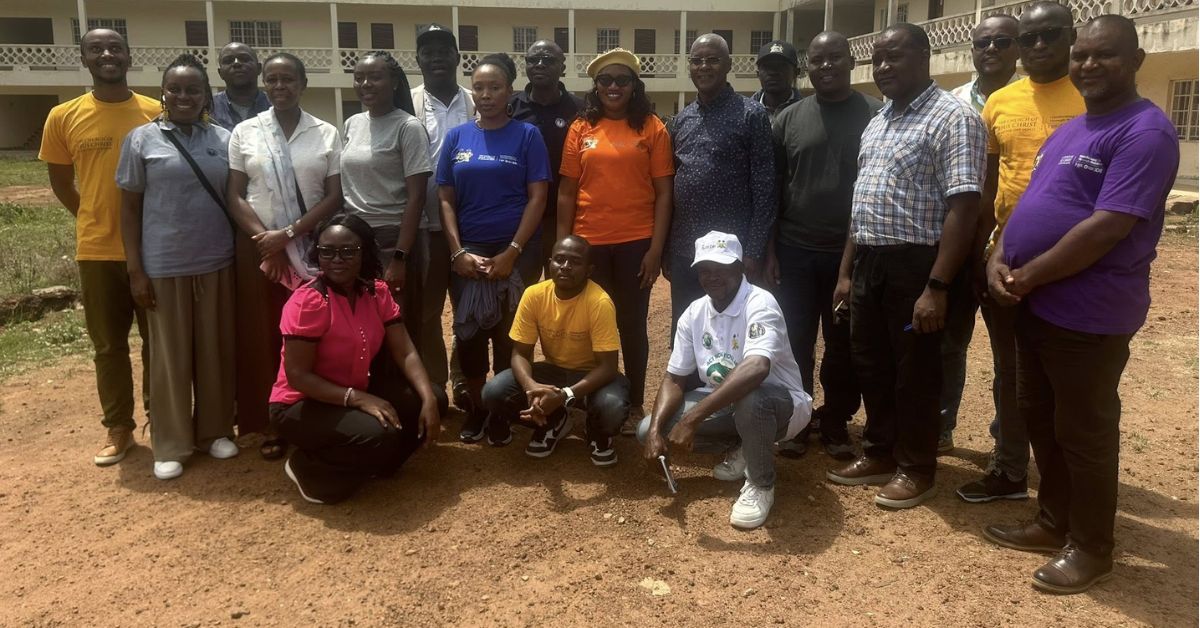
A delegation from the Kenya office is undertaking a week-long learning and exchange visit to Sierra Leone aimed at sharing practical insights, strengthening collaboration, and exploring field-based approaches to support smallholder farmers and community development initiatives.
The programme combines hands-on farm demonstrations with district-level engagements, enabling a two-way exchange of experience between both countries.
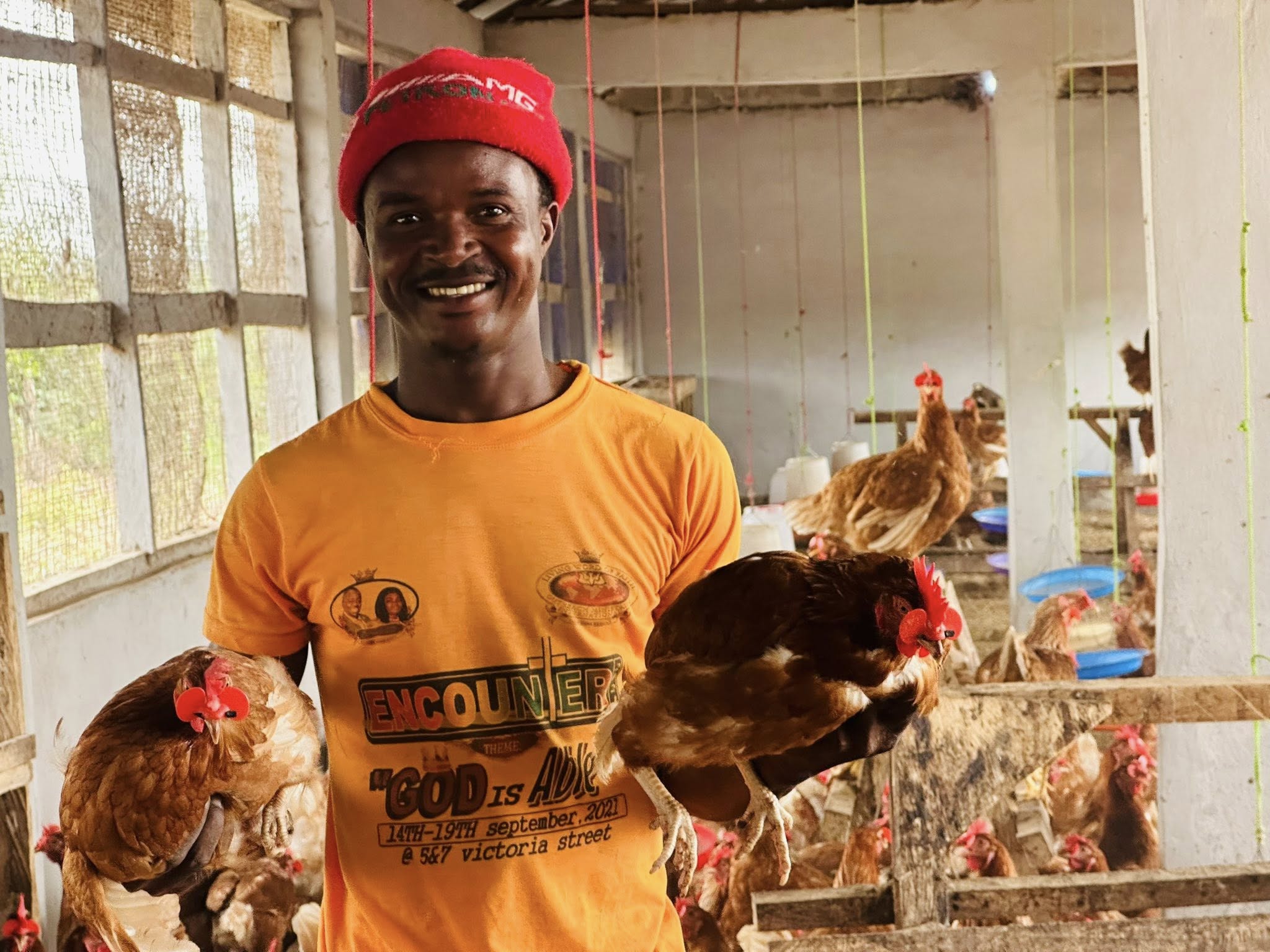
As part of the visit, the team travelled to Moyamba District, where they observed small-scale poultry production practices in a community setting. They met David, a member of the Hope to God Farmers Association, who has successfully reared chickens from six weeks to full maturity. His operation highlighted practical, low-cost methods including consistent feeding routines, basic housing improvements, and regular health monitoring, which have contributed to improved survival rates and growth.

Observers noted that David’s approach reflects how simple, consistent interventions can enhance productivity at household level. Routine monitoring, timely vaccinations, and gradual improvements in feed and shelter were identified as key factors supporting better outcomes for smallholder farmers, with potential implications for income generation and food security.



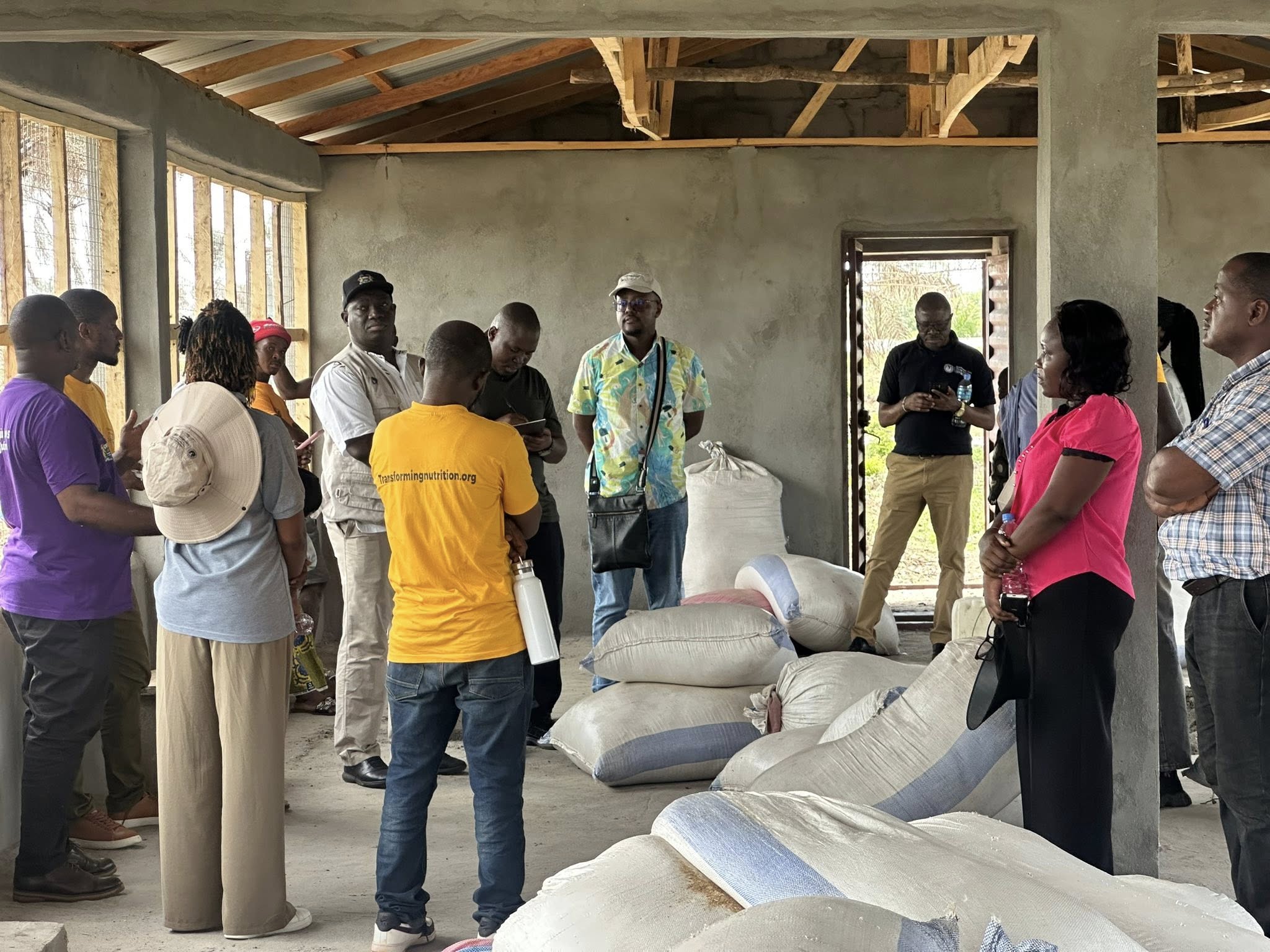
The delegation later held discussions with Mohammed Sesay, who oversees agricultural activities in Moyamba District. The meeting focused on local agricultural priorities, ongoing initiatives, and opportunities to align programme support with district development plans. Key areas of discussion included extension services, strengthening farmer groups, and scaling practical interventions such as poultry husbandry and post-harvest handling.
Mohammed Sesay underscored the importance of coordinated support that links farmer training, access to inputs, and market access in order to sustain and expand gains made at community level. The engagement highlighted the need to integrate grassroots learning with district planning frameworks to encourage wider adoption of effective practices.
The exchange forms part of a broader initiative to strengthen cross-country collaboration, deepen learning, and promote farmer-focused solutions. By combining practical demonstrations with institutional dialogue, the visit seeks to generate actionable lessons that can be adapted to local contexts. Kenyan participants shared comparative experiences and technical perspectives, while Sierra Leonean counterparts provided local insights and contextual understanding.
Both sides described the engagement as a mutual learning opportunity. Kenyan officials gained insight into community-driven resilience strategies and low-input farming systems, while local stakeholders were exposed to alternative approaches that could be adapted to improve productivity and efficiency.
The delegation is expected to continue its programme in Bo District, where attention will shift to health-related initiatives linked to agricultural livelihoods. Discussions are anticipated to focus on nutrition-sensitive programming, community health linkages, and integrated development approaches that support both household well-being and sustainable farming systems.
As the visit continues, participants are expected to translate observations into practical follow-up actions, including pilot interventions, joint training opportunities, and strengthened coordination with district authorities. The Moyamba engagement, anchored by David’s poultry demonstration and discussions with district leadership, underscores how practical field experience and institutional collaboration can contribute to scalable, farmer-centered development solutions.