
PBSL Expands Anti-Drug Campaign, Promotes Kenema Bye-Law Model in Port Loko
 Aaron Parker
 The Pharmacy Board of Sierra Leone has intensified its nationwide campaign against illegal drug peddling, extending its latest engagement to Port Loko District, where traditional authorities have pledged to adopt a proven community-driven bye-law model first introduced in Kenema District.
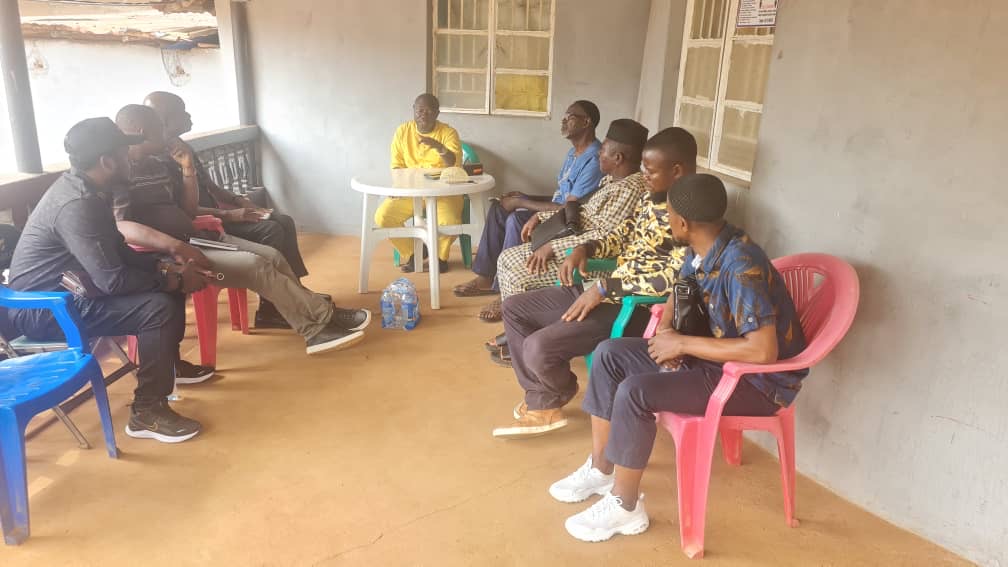
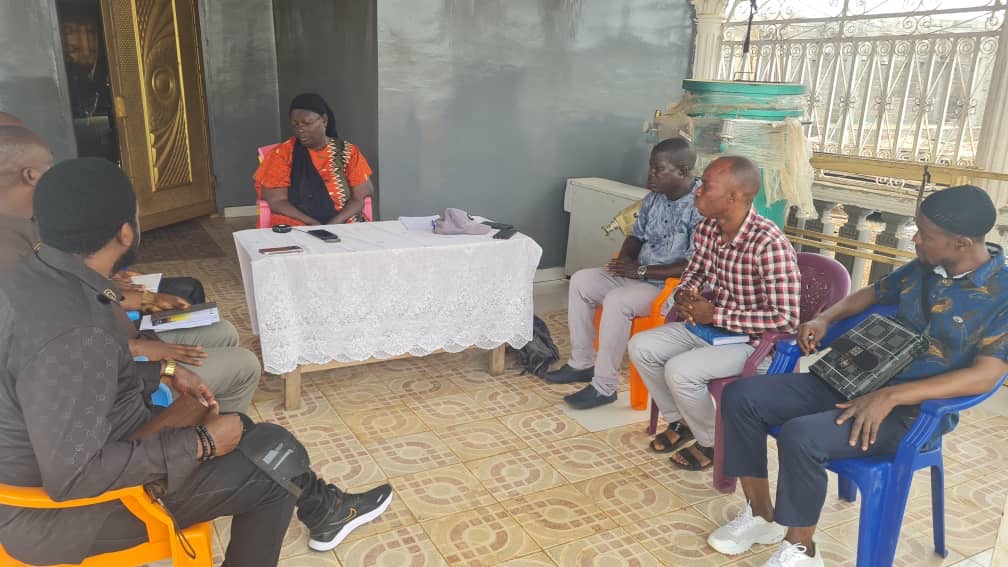
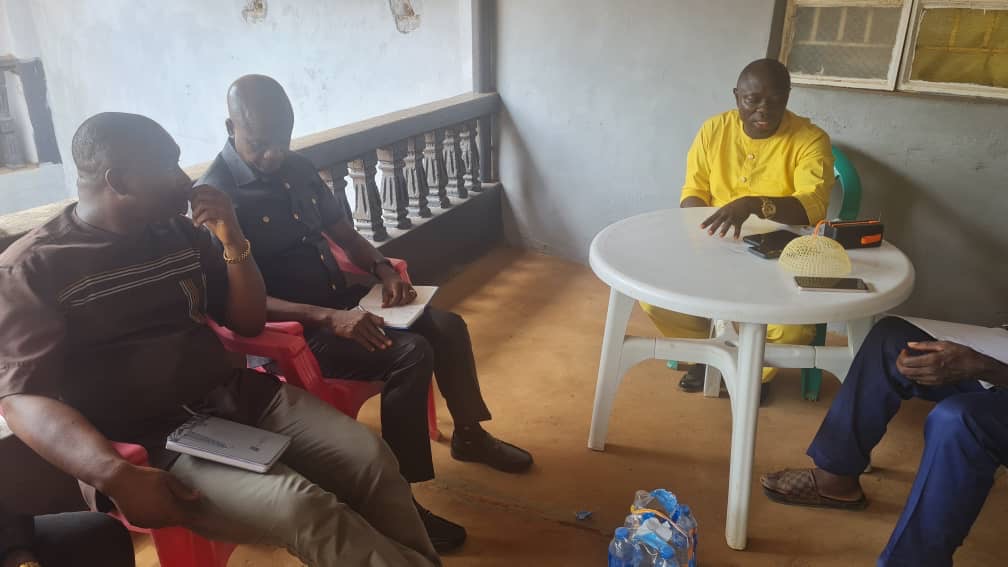
The high-level engagements, held in Maforki and Bakeh-Loko Chiefdoms, brought together Paramount Chiefs and community leaders to deliberate on practical solutions to the growing threat of unregulated medicine sales. The meetings form part of PBSL’s broader strategy to decentralise drug regulation and strengthen enforcement through local governance systems.

The push for community bye-laws on drug control traces back to Nongowa Chiefdom in Kenema District, where traditional leaders, in collaboration with PBSL, pioneered a grassroots legal framework to curb illegal drug sales. The initiative followed persistent enforcement challenges and rising cases of drug abuse, particularly involving substances such as tramadol.

Under the Nongowa model, chiefs led extensive consultations with community members, traders, and youth groups to develop bye-laws prohibiting the sale of medicines by unauthorised persons and in unapproved locations, including markets, streets, and vehicles. The process also involved widespread public sensitisation through community meetings, radio discussions, and local advocacy campaigns.
This inclusive approach ensured that the bye-laws were not only legally recognised but also socially accepted, making enforcement more effective. As a result, Nongowa Chiefdom recorded a significant decline in drug peddling activities, setting a precedent now being replicated in other parts of the country.
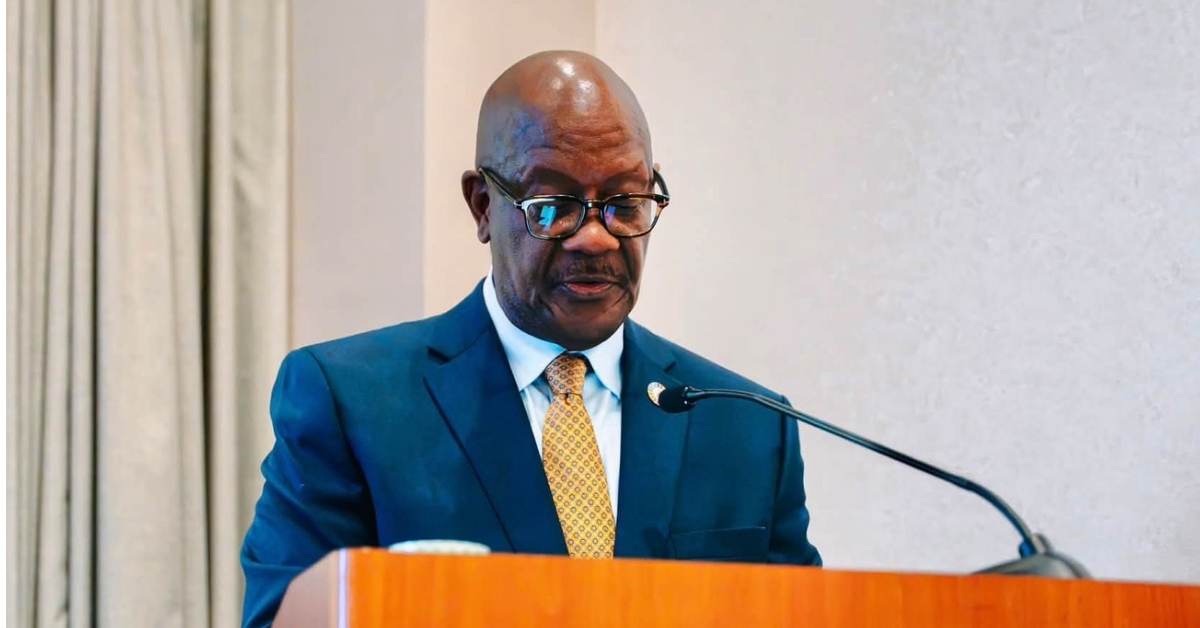
At the Port Loko engagements, PBSL officials emphasised the importance of replicating this model. Deputy Registrar Dr. Mohamed Sesay underscored the Board’s mandate to regulate medicines and safeguard public health, noting that enforcement alone is insufficient without community ownership.
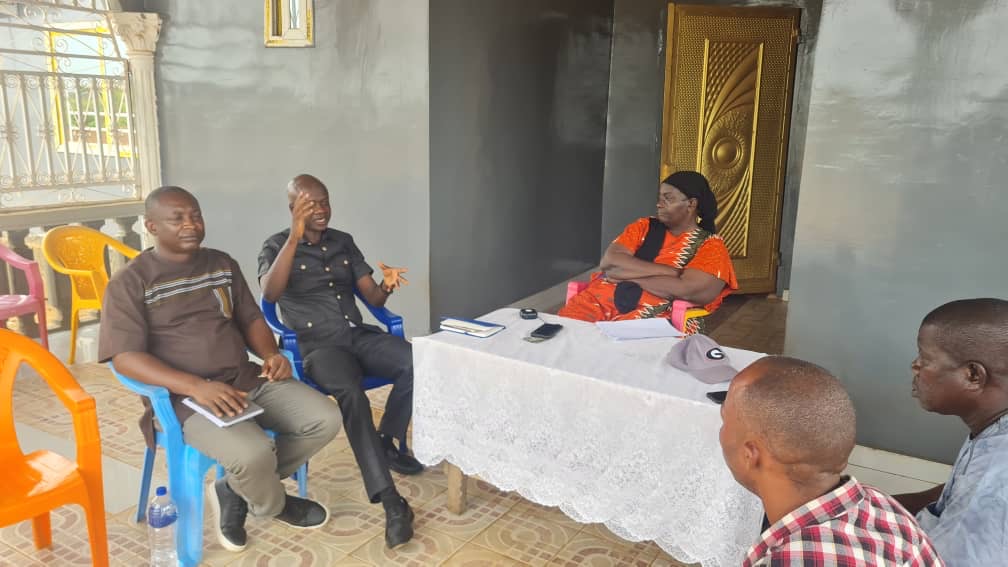
He warned that drug peddlers often mishandle medicines, exposing them to heat and sunlight, which can render them harmful. “The difference between a cure and a poison often lies in dosage and storage,” he cautioned.
Also speaking, Tamba Buffa, Head of the Distribution Chain Inspection Department, highlighted the success of the Kenema experience, describing it as a model grounded in inclusivity, consultation, and strong community participation.
Leaders in Port Loko responded positively, acknowledging the dangers posed by illegal drug sales. Representatives of Maforki Chiefdom raised concerns over the proliferation of unregulated medicine outlets and the widespread practice of self-medication without prescriptions.
Similarly, authorities in Bakeh-Loko Chiefdom described drug peddling as a serious public health threat and committed to developing and enforcing their own bye-laws with guidance from PBSL.
As an interim measure, Dr. Sesay authorised local leaders to take immediate action against individuals selling medicines in unauthorised locations.
The Pharmacy Board believes that scaling the Kenema bye-law model nationwide will significantly reduce the circulation of unsafe medicines. By combining statutory enforcement with traditional authority and sustained public sensitisation, the initiative reflects a shift toward community-driven regulation.
With Maforki and Bakeh-Loko Chiefdoms now on board, the Board remains optimistic that the popularisation of these bye-laws will strengthen compliance, protect public health, and curb the menace of drug peddling across Sierra Leone.