
‘We Take Dead Bodies to Bo’: Pujehun Residents Call for Mortuary Facility
 Sahid Bangura
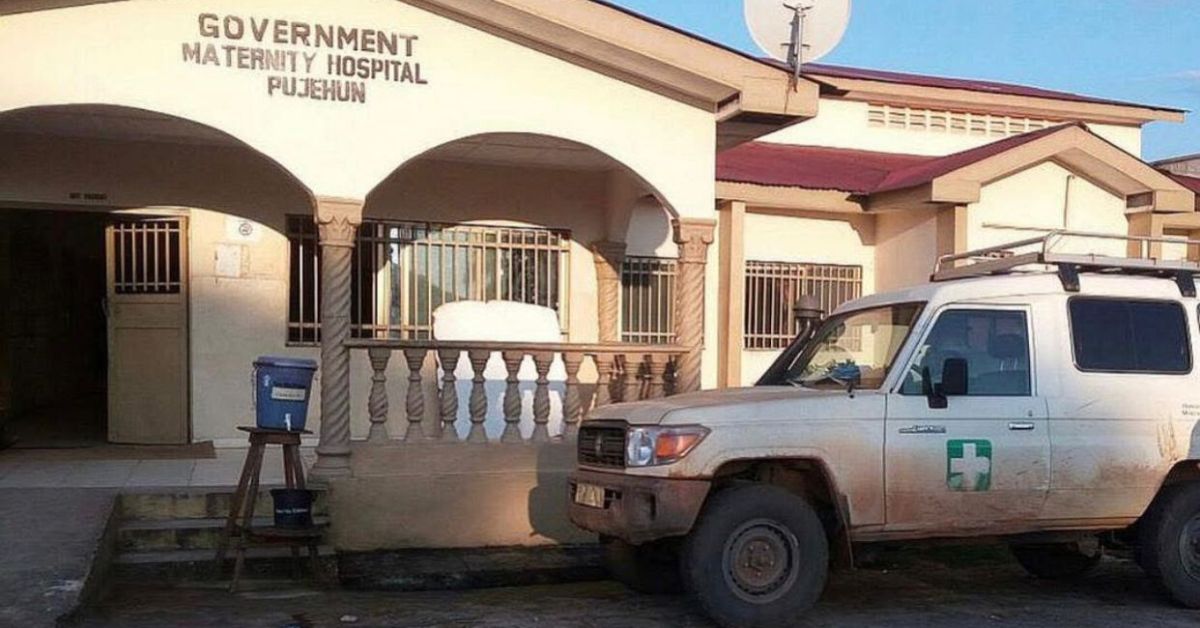
 Residents of Pujehun District have called on the Minister of Health, Dr. Austin Demby, to facilitate the construction of a mortuary facility in the district, citing the difficulties they face in preserving human remains before burial.
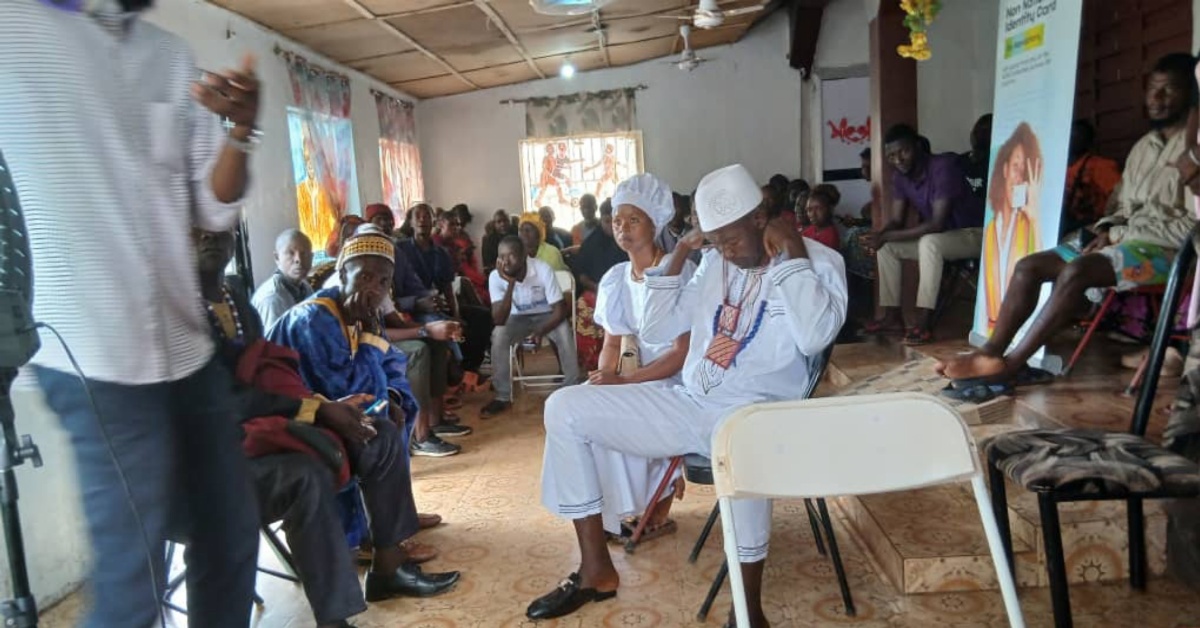
The appeal was made during a two-day Civic Series organised by the Ministry of Information and Civic Education in Pujehun District from June 1 to 2, 2026. The initiative was aimed at informing citizens about government programmes while providing a platform for residents to raise issues affecting their communities.
Speaking on behalf of the district’s youth, a youth representative highlighted the challenges families encounter whenever a death occurs, noting that the absence of a mortuary in the district forces residents to transport bodies to Bo for preservation.

“We have to take dead bodies to Bo mortuary,” he said, pointing to the high transportation costs involved and the difficulties created by limited ambulance services.
Health-related concerns also featured prominently during the engagement. The district’s Mammy Queen, Madam Mahawa Kaikai, expressed concern over what she described as inadequate facilities at the Pujehun Government Hospital.
According to Madam Kaikai, the hospital has only one female ward, a situation she said contributes to congestion and increases the risk of the spread of communicable diseases among patients. She called for the construction of additional female wards and staff quarters for healthcare workers serving in the district.
She further raised concerns about transportation challenges affecting school children, stating that buses under the Free Quality Education programme had stopped operating because of mechanical problems, making it difficult for many pupils to get to school.
Responding to the concerns, the District Medical Officer for Pujehun District, James Jongopie, said the district currently has six ambulances primarily designated for referral cases. He disclosed that efforts are underway to improve healthcare outreach through a project aimed at providing transportation for District Health Management Team (DHMT) personnel to access hard-to-reach communities.
Speaking earlier at the civic engagement, Deputy Minister of Health I, Dr. Charles Senessie, said the government has significantly expanded access to healthcare services across the country.
He outlined what he described as the ministry’s four key pillars: Primary Healthcare, Secondary Healthcare, Tertiary Healthcare, and Ambulance Services/Mobile Clinics, which he said have contributed to improved health outcomes nationwide.
Dr. Senessie also assured residents that Sierra Leone had not recorded any Ebola cases as of June 2, 2026, despite reports of an outbreak in the Democratic Republic of Congo. He said the country remains prepared to respond to any potential outbreak.
According to the deputy minister, mechanisms have already been put in place to strengthen pandemic preparedness, including the allocation of US$1.7 million by the government for rapid Ebola response should the need arise.
He further disclosed that the government has increased the number of healthcare workers in the country, with more than 11,000 personnel currently on employment pin codes.
Meanwhile, the Head of Research, Monitoring and Planning at the National Revenue Authority (NRA), Dr. Philip Kargbo, encouraged residents to comply with their tax obligations, stressing that increased domestic revenue generation would enable the government to provide more essential services.
Dr. Kargbo said the NRA is working with Ministries, Departments and Agencies (MDAs) to broaden the country’s tax base and improve revenue collection.