
Africell CEO Hands Over New Broadcasting Studio to SLBC Amid Institutional Reform Efforts
 Deborah Sorie
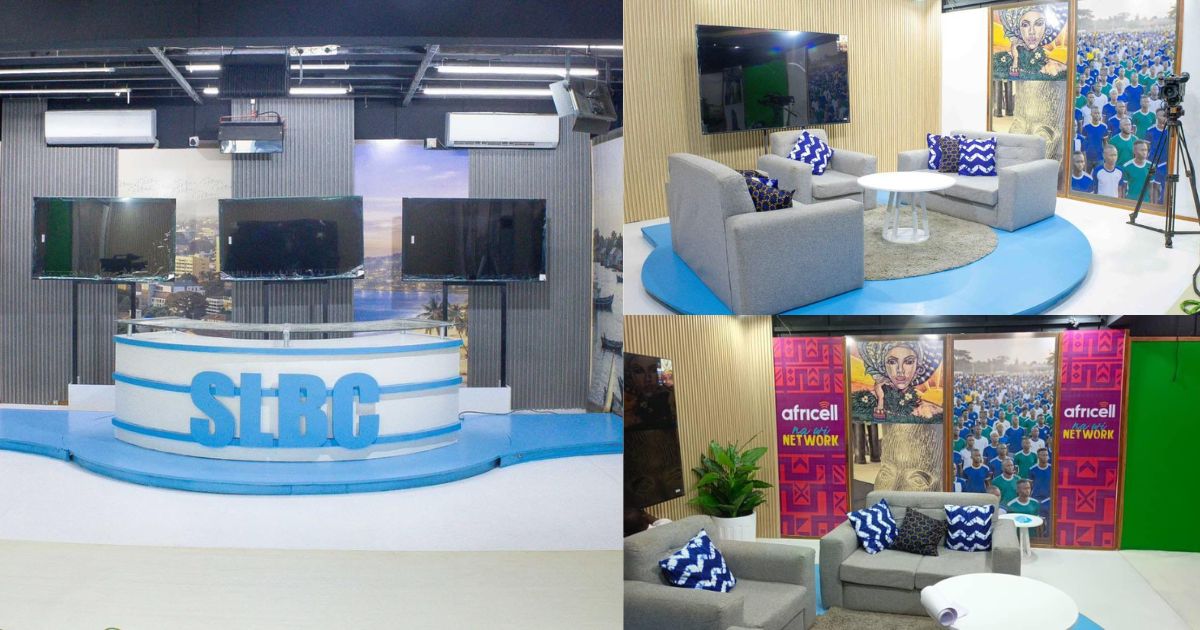
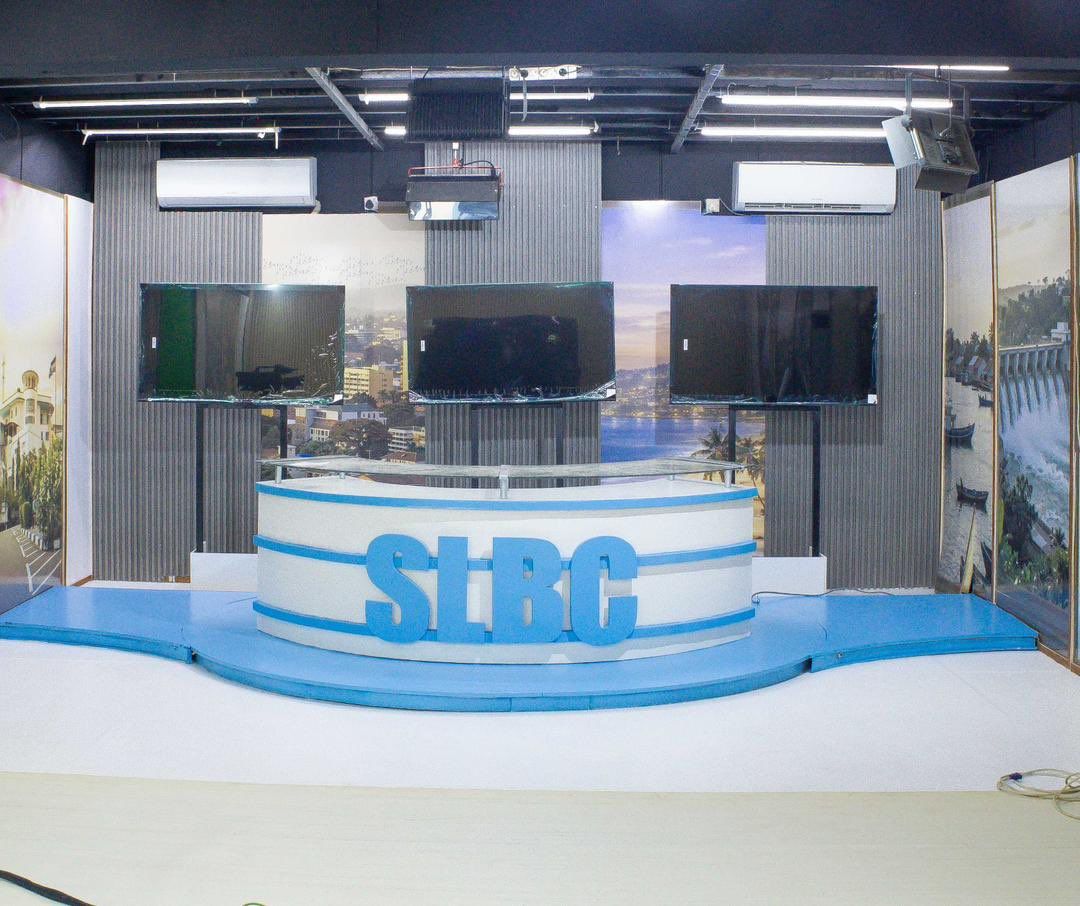
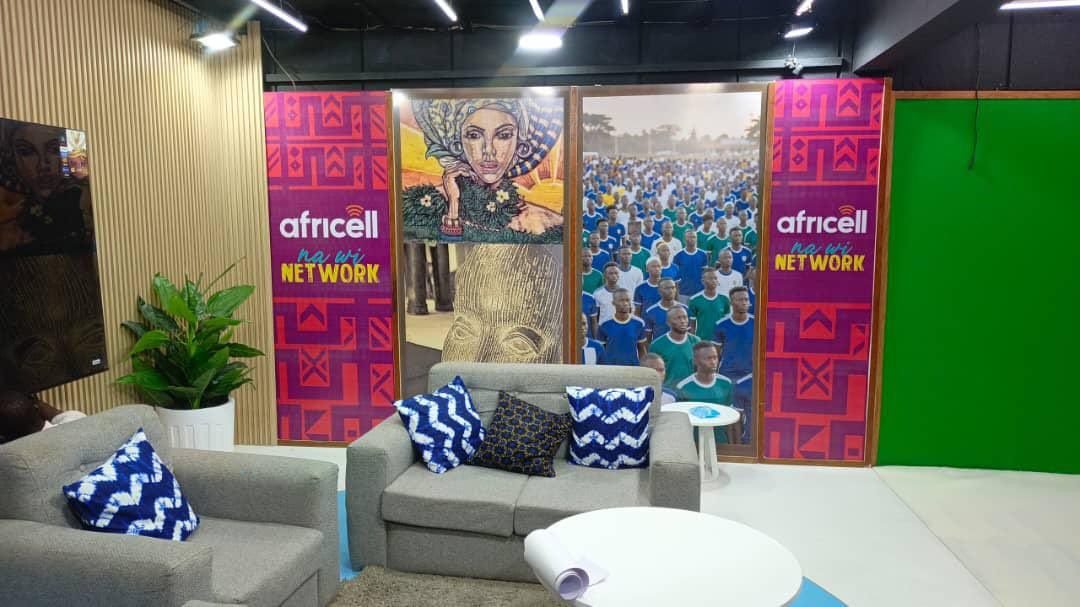
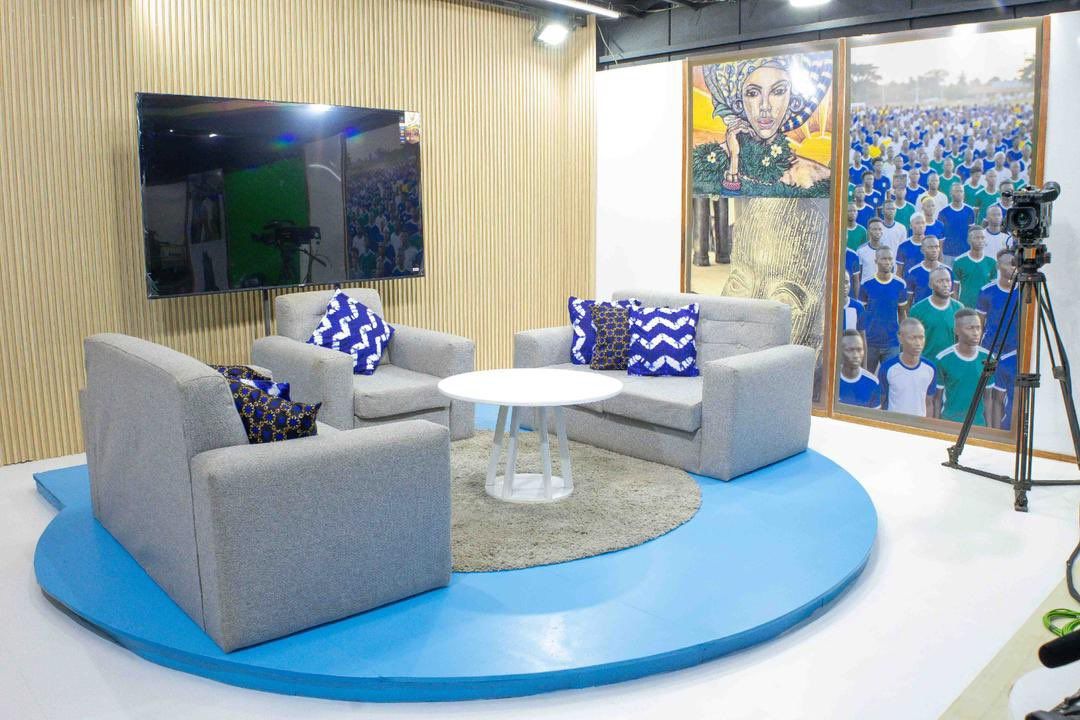
 The CEO of Africell, Shadi Gerjawi, on Thursday officially handed over a newly built and fully branded studio to the Sierra Leone Broadcasting Corporation (SLBC), marking a significant private-sector contribution to the embattled national broadcaster.
The ceremony took place at 4:00 PM at SLBC’s Freetown headquarters, with Gerjawi formally presenting the facility to SLBC management as part of the company’s ongoing efforts to strengthen and develop the country’s media landscape and improve broadcasting capacity for audiences nationwide.
In 2025, under Gerjawi’s leadership as Chief Media Officer, Africell successfully branded and redesigned eight community radio stations and also launched its Free Call Service. The company now supports over 110 radio stations nationwide, marking the largest media support initiative in Sierra Leone’s history.


The studio handover came at a critical time for SLBC, which has faced a series of devastating setbacks in recent months.
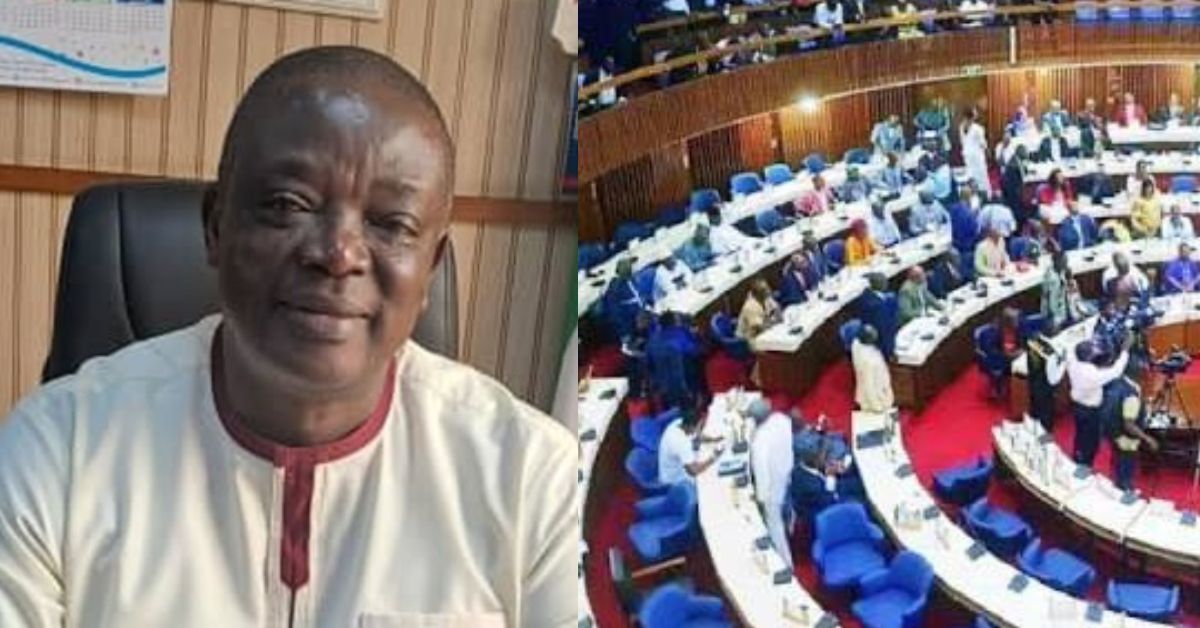
On 8th April 2026, the office of Mohamed Asmieu Bah, Deputy Director General of SLBC TV, was completely destroyed by fire. The blaze left properties reduced to ashes, with no items salvaged. The cause of the fire remains under investigation.
In February 2026, a documentary report exposed critical operational failures at SLBC, revealing a historic institution severely hampered by antiquated equipment, chronic administrative neglect, and poverty-level wages. The report painted a stark picture of West Africa’s first English-language radio broadcaster struggling to maintain basic journalistic standards amid profound decay.
According to the documentary, SLBC continues to rely on facilities and equipment that are up to a half-century old. The newsroom currently has only two functional computers to serve a staff of more than 20 reporters. As recently as February 2026, the station battled a lack of basic printer ink, compromising the legibility of news scripts.
Presenters are forced to rely entirely on paper scripts due to a faulty teleprompter and lack of modern tablets, while faulty Uninterruptible Power Supply (UPS) units in editing rooms mean a single power grid failure can wipe out countless hours of broadcast preparation.
The documentary emphasised that the physical deterioration of the station mirrors the dire conditions of its workforce. Despite the rising cost of living, some SLBC staff members take home between 700 and 800 Leones – less than $50 USD a month – while the majority earn barely $100 monthly.
In May 2025, SLBC employees commenced a strike to address longstanding grievances regarding inadequate compensation and restrictive directives from the board. Staff revealed that inconsistencies in salary payments had left some employees with as low as 600 Leones, significantly below the national minimum wage.
Employees who have dedicated 20 to 30 years to the corporation reportedly face stagnant careers due to the absence of an official organogram for promotions and no credible system for improving staff welfare.
In February 2026, the Public Sector Reform Unit (PSRU) presented a comprehensive Management and Functional Review report aimed at overhauling SLBC’s operations. The report, delivered to Information Minister Chernor Bah, outlined strategic recommendations to strengthen governance, improve operational efficiency, and enhance service delivery.
The review, part of Recommendation 77 of the Tripartite Agreement, seeks to reposition SLBC as a modern, independent, and responsive public broadcaster capable of meeting national and international standards.
The report identified several long-standing challenges, including weak governance structures, overlapping roles, poor performance management systems, outdated equipment, limited staff training, and restricted financial autonomy.
Minister Bah welcomed the findings and reaffirmed the Ministry’s commitment to implementing the proposed reforms.
Founded in 1934 as the West African Radio Diffusion – and known early on as the Freetown Rediffusion Service – SLBC holds a prestigious place in African media history as the continent’s first English-language radio broadcaster. However, observers have warned that without immediate investment and sweeping administrative reforms, the institution will continue to fail in meeting its audience’s expectations.
Thursday’s studio handover by Africell represented a rare bright spot for the struggling broadcaster. The company now supports over 110 radio stations nationwide, the largest media support initiative in Sierra Leone’s history.