

Afrovate Tech Hub Launches Mobile Lab Initiative to Bridge Digital Divide in Slum Communities
 Aaron Parker
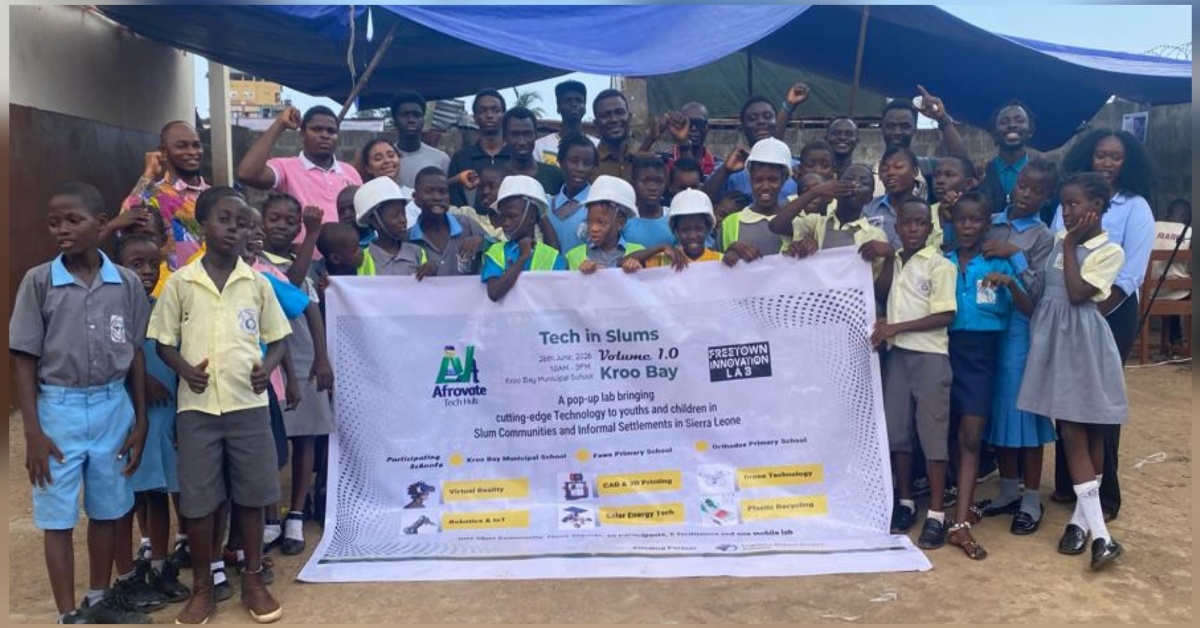
 Afrovate Tech Hub, with support from Engineers Without Borders Denmark and local partner Freetown Innovation Lab, has launched its Tech-in-Slums mobile laboratory initiative aimed at bridging the digital and technological divide faced by children and youths in slum communities and informal settlements across Sierra Leone.
The initiative, launched on June 26, 2026, in Freetown, seeks to provide children and young people in underserved and hard-to-reach communities with access to emerging technologies and practical STEM learning opportunities.

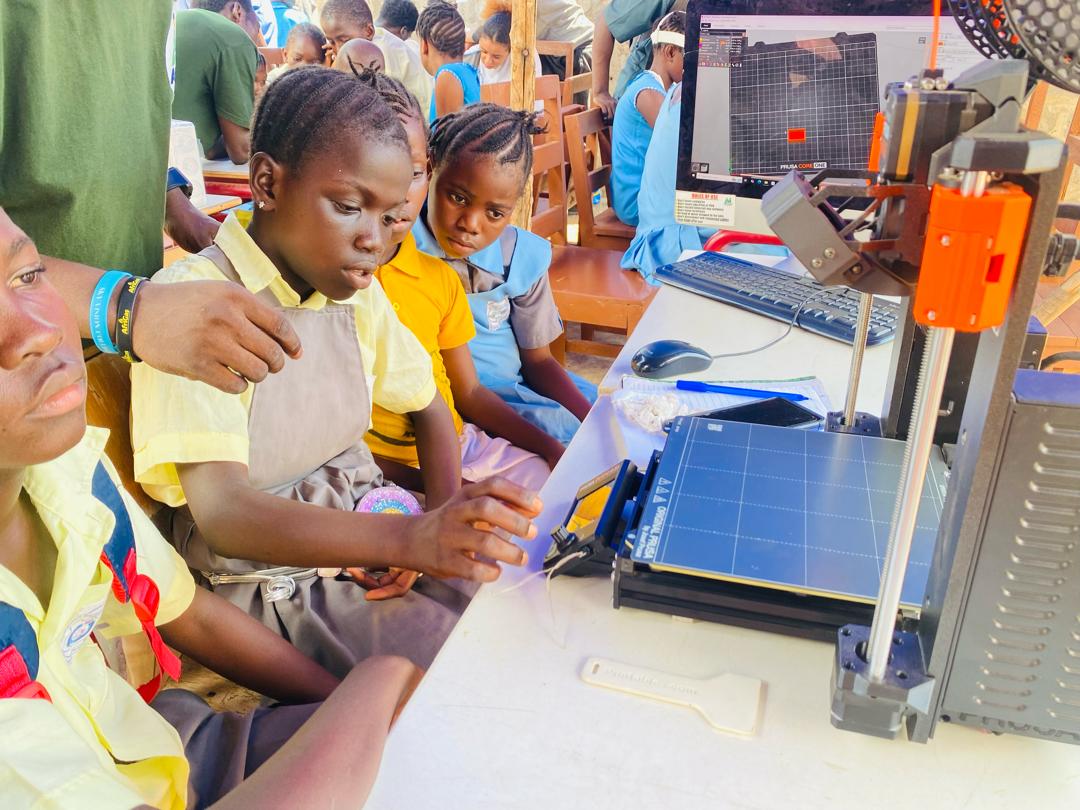
The first edition of the programme was held at Kroo Bay Municipal Primary School, where 30 pupils drawn from FAWE Primary School, Orthodox Primary School and Kroo Bay Municipal Primary School participated in an interactive hands-on STEM workshop.
Public Sector Transformation Plan Launched Under President Bio’s Big 5 Initiative

Air Sierra Leone Launches Direct Cargo Flights Between Banjul and London
“I Won The Election When The Political Space Was closed, I’ve Opened it Since I Came” – President Bio Respond to Critics on Limiting The Political Space
Kroo Bay, one of Sierra Leone’s oldest and most vulnerable informal settlements, continues to face significant socio-economic challenges, including limited access to adequately equipped science and technology laboratories. This lack of infrastructure has restricted practical teaching and learning in STEM subjects for many pupils in the community.
Speaking at the event, Assistant Headmistress of Kroo Bay Municipal Primary School, Miss Francess C. Thomas, stressed the urgent need for interventions such as the Tech-in-Slums initiative, noting that many pupils are deprived of access to technology-based learning opportunities.
“Most of the kids come to school on hungry stomachs and with no lunch, talk less of having access to such state-of-the-art equipment for them to practice hands-on STEM. We as a school do not have much to do about this problem, so we can only hope and look forward to organizations such as Afrovate Tech Hub and their partners to help us,” she said.
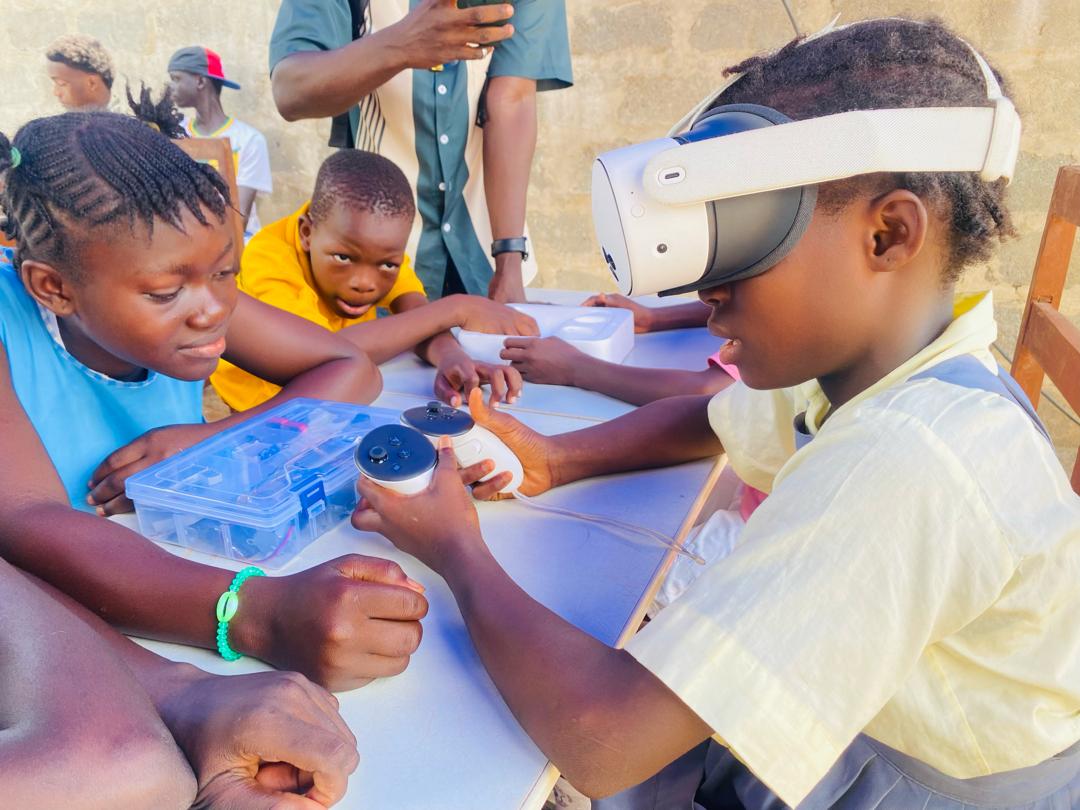
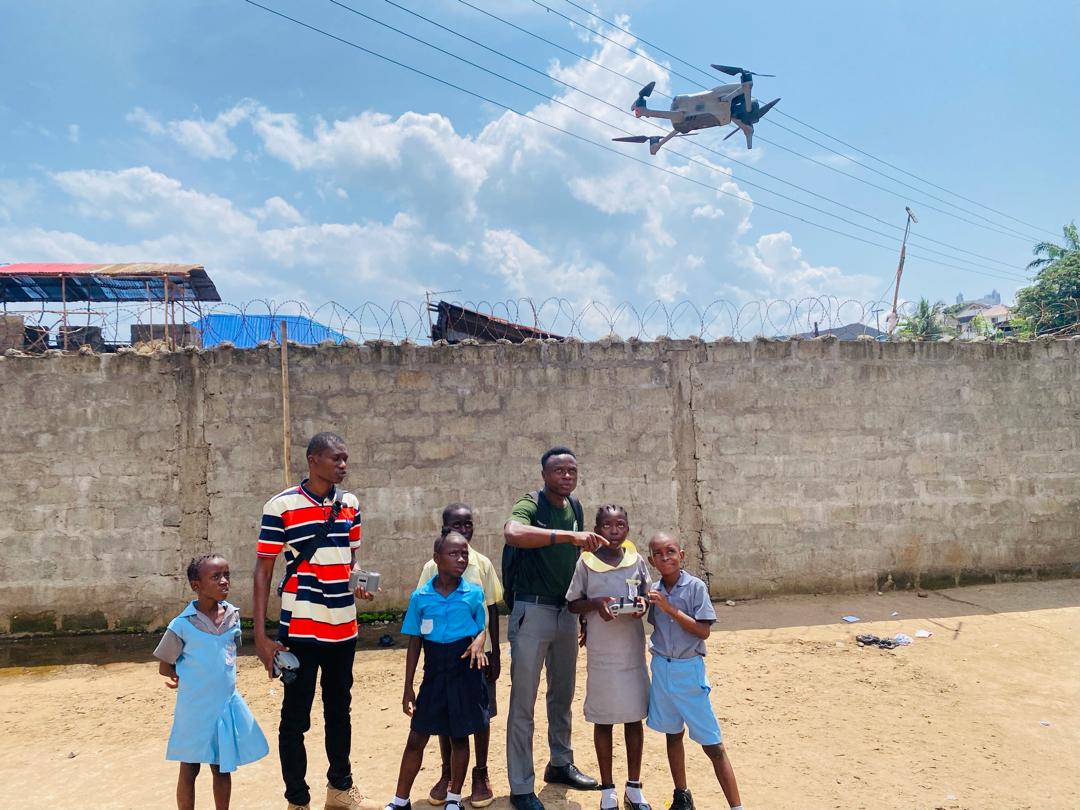
The mobile laboratory, described as the first of its kind in Sierra Leone, introduced pupils to a range of advanced technologies, including 3D printing, drone technology, robotics, virtual reality, solar energy, and plastic recycling.
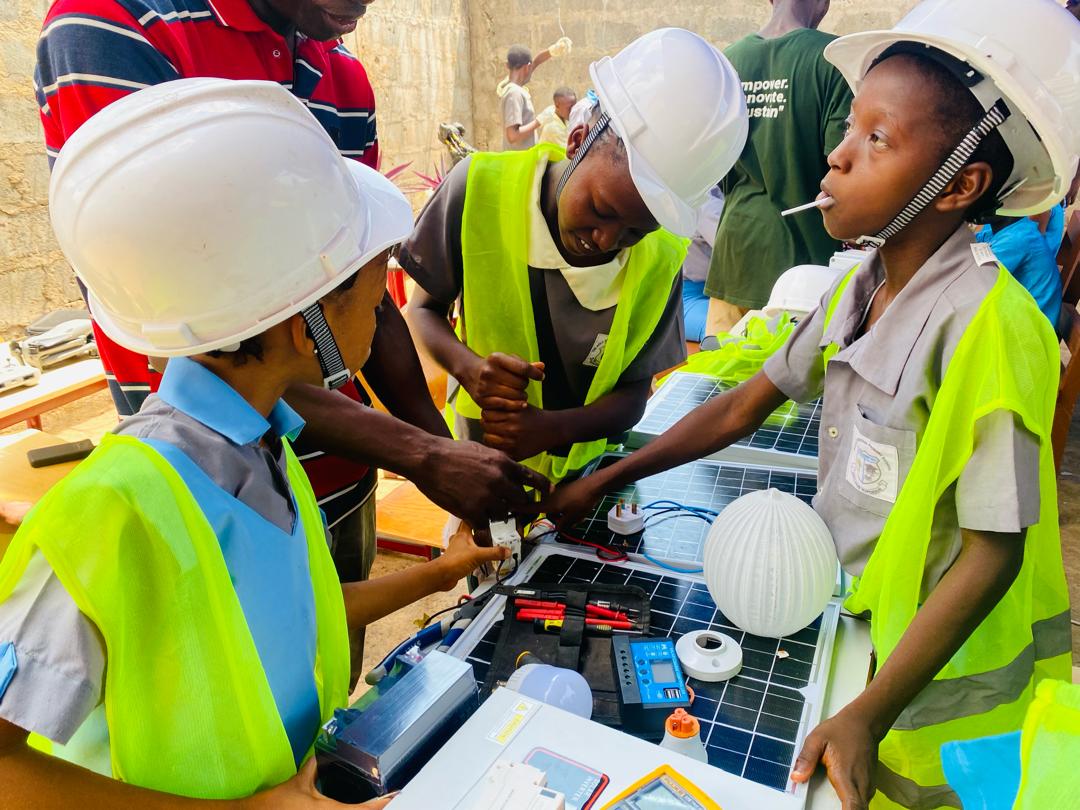
During the workshop, participants designed and printed their first 3D products, transformed waste plastic bottles into waste bins, wired solar equipment to power a light bulb, operated drones, explored virtual reality through interactive games, and engaged in several practical technology demonstrations.
Founder of Afrovate Tech Hub, Alfred Mbayoh, said the initiative was created to address the growing gap in digital literacy, especially in underserved communities.
“Every child deserves equal access to quality education and opportunities, regardless of where they live. We’ve identified a significant gap in digital literacy, particularly in underserved communities. As a tech hub, we’re creating opportunities for children and young people to interact with emerging technologies and inspiring them to pursue careers in science, technology, engineering and mathematics,” he said.
According to Afrovate Tech Hub, the Tech-in-Slums initiative aims to demonstrate that careers in STEM are achievable for every child, regardless of socioeconomic background or geographical location.
The organisation says the launch of Tech-in-Slums Vol. 1 marks the beginning of what it hopes will become a nationwide effort to expand access to hands-on technology education, with future editions expected to reach more schools and underserved communities across Sierra Leone.