

Bar Association Rejects Attorney General’s Directives Over AGM Postponement
 Aaron Parker
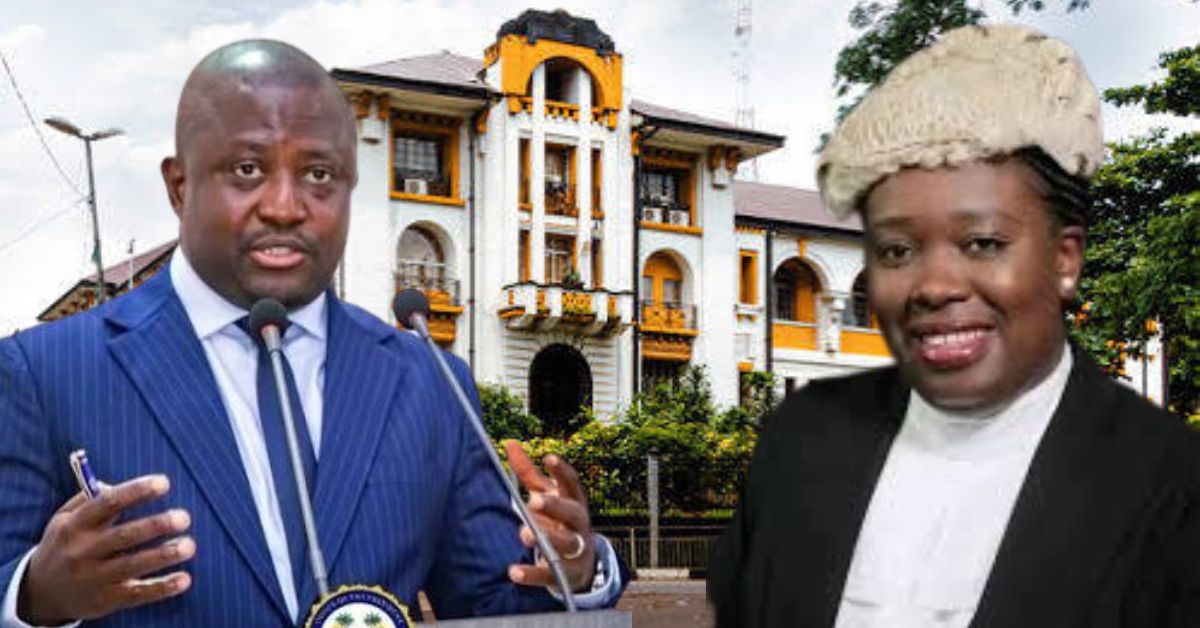
 The Sierra Leone Bar Association (SLBA) has firmly rejected directives issued by Attorney General and Minister of Justice, Alpha Sesay, regarding the indefinite postponement of the Association’s Annual General Meeting (AGM), arguing that the Attorney General lacks the legal authority to intervene in the internal governance of the Bar.
In a detailed response signed by SLBA President, Tuma Adama Gento-Kamara, the Association maintained that it remains an independent professional body governed by its Articles of Association, the Companies Act, and the supervisory jurisdiction of the High Court, rather than the executive arm of government.
The response follows a letter from the Attorney General questioning the legality of the indefinite postponement of the SLBA’s AGM and raising concerns about the expiration of the Executive’s mandate. However, the Bar Association argued that while it holds the Office of the Attorney General in high regard, such respect does not require compliance with what it described as “ultra vires directives.”

According to the Association, there is no provision in the Constitution, the Legal Practitioners Act, the Companies Act, or any other law that grants the Attorney General supervisory powers over the SLBA’s internal affairs. The Association emphasized that the Attorney General’s designation as “Titular Head of the Bar” is purely ceremonial and does not confer authority to issue binding directives, interpret the Association’s governing documents, or determine the timing and conduct of its AGM.
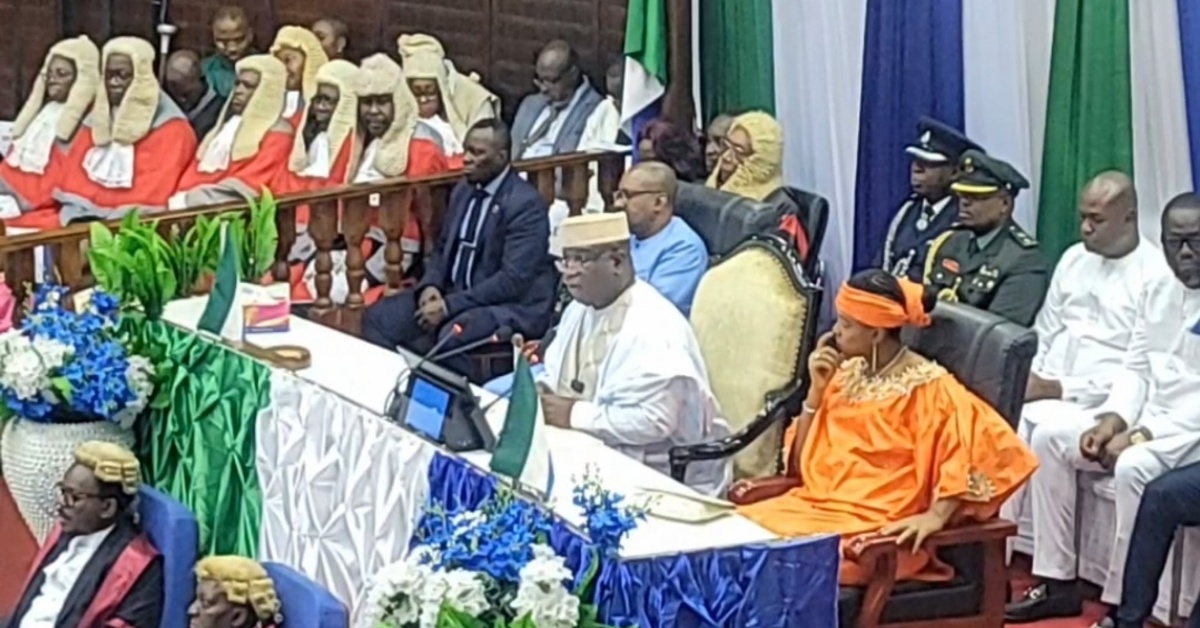


The SLBA further challenged the Attorney General’s interpretation of Article 22 of its Articles of Association, which relates to the continuation of executive authority after the expiration of elected terms. The Association argued that questions regarding the scope and application of the provision are matters of legal interpretation that can only be conclusively determined by the courts or through the Association’s own governance mechanisms.
The Executive also described as contradictory the Attorney General’s position that the current leadership had become functus officio, while simultaneously directing the same Executive to undertake actions such as withdrawing notices and convening a new AGM.
Addressing concerns about compliance with Section 185 of the Companies Act, which requires companies to hold annual general meetings within prescribed timeframes, the SLBA argued that the postponement notice issued on June 1, 2026, does not automatically constitute a statutory breach. The Association maintained that an indefinite postponement does not necessarily amount to a cancellation and noted that any determination of a breach would fall within the jurisdiction of the courts or relevant regulatory authorities rather than the Attorney General.
The Bar Association also rejected what it described as unilateral “directions” from the Attorney General, insisting that any disputes regarding the legality of the postponement or the Executive’s mandate should be resolved through judicial processes. It stressed that members dissatisfied with the Executive’s actions have the option of seeking redress before the High Court.
Despite the disagreement, the SLBA reaffirmed its commitment to holding an AGM and stated that the Executive would announce a definite date for the meeting within three months, subject to compliance with all notice requirements under the Companies Act and the Association’s Articles.
The Association also expressed willingness to engage in dialogue or mediation with the Attorney General’s office, provided that the relationship remains advisory rather than supervisory and that no further unilateral directives are issued.
In a strong defence of the legal profession’s autonomy, the SLBA warned that attempts by the executive branch to interfere in the affairs of the Bar could undermine the independence of the legal profession, which it described as a cornerstone of the rule of law and the administration of justice.
“The independence of the Bar includes the right of the Bar to govern itself, to interpret its own regulations in the first instance, and to be answerable only to its members and the courts, not to executive fiat,” the Association stated.
The SLBA concluded by urging the Attorney General’s office to reconsider its position and allow the Association’s governance issues to be resolved through lawful, democratic, and judicial processes rather than executive correspondence.
Hmmmm
Oh salone where everyone is everything