

Basita Michael, Criticises Government’s Cost of Living Comparisons
 Aminata Koroma
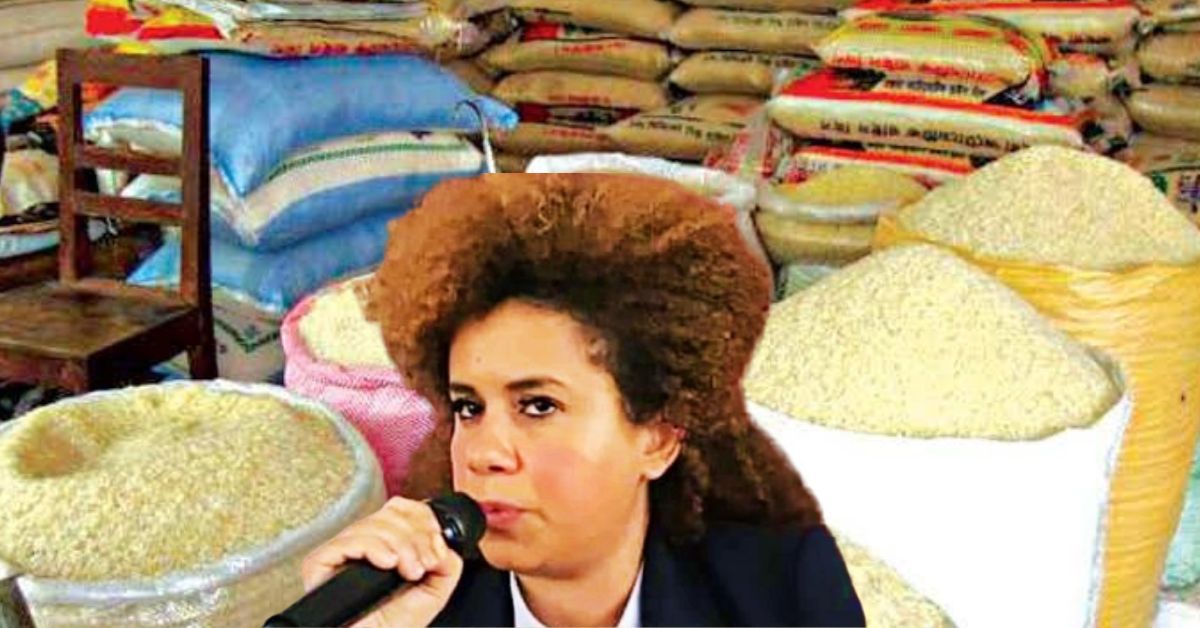
 Prominent lawyer and activist Basita Michael has criticised government officials for repeatedly assuring citizens that essential commodities such as rice, flour, onions, and cooking oil are cheaper in Sierra Leone than in neighbouring countries.
According to Michael, such comparisons overlook a fundamental reality: citizens do not purchase food based on regional price comparisons, but on the strength of their incomes. She emphasised that for a population grappling with high unemployment and low earnings, being told that conditions are worse elsewhere offers little reassurance.
“Citizens are not asking the government to outperform the worst examples in the region,” she noted. “They are asking for stable sources of income that can support them and their families.”

Michael stressed that Sierra Leoneans are entitled to expect improved living standards, greater economic opportunities, and a steady enhancement in their quality of life over time.



She further pointed out that the situation is even more complex in rural areas. In several chiefdoms across the country, communities remain effectively cut off from major district headquarters and urban centres due to poor road conditions. In some cases, neighbouring Guinea is more accessible than parts of Sierra Leone itself.
As a result, residents in these areas often find it cheaper and easier to obtain basic goods, including water and soft drinks, across the border rather than travelling on dangerous and sometimes impassable roads to local markets.
Michael concluded that while cross-country comparisons may serve as useful tools for economic analysis, they fail to reflect the lived realities of ordinary citizens. She argued that the true measure of affordability should not be whether prices are lower than elsewhere, but whether people can earn enough to live with dignity.