

 Post a comment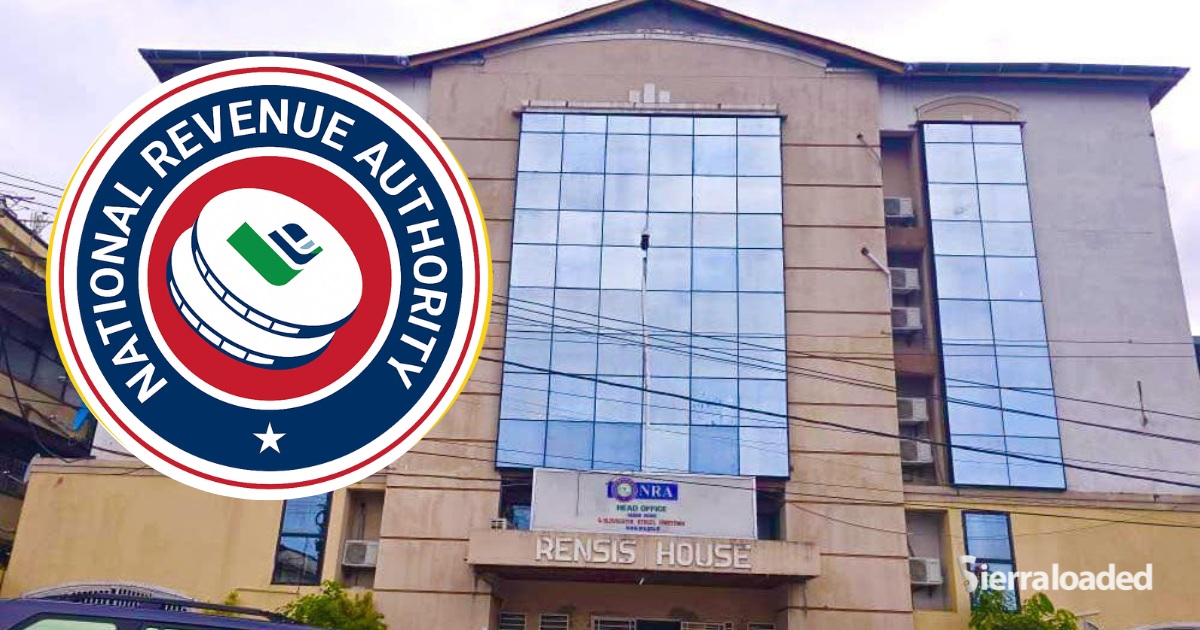
The Government of Sierra Leone has announced a robust revenue recovery plan aimed at boosting domestic revenue mobilization and addressing systemic inefficiencies in the country’s tax collection system.
The initiative, led by the Ministry of Finance in collaboration with the National Revenue Authority (NRA), was unveiled during the presentation of the 2025 supplementary budget to Parliament.
Minister of Finance Sheku Fantamadi Bangura outlined the new measures, citing the need for increased internal revenue amid declining donor support, rising public debt, and global economic uncertainties. He emphasized that the country’s development aspirations and public service delivery would increasingly depend on its ability to generate and manage domestic resources effectively.
Central to the recovery strategy is a series of enforcement and compliance actions spearheaded by the NRA. Key among these is the implementation of the Minimum Alternate Tax (MAT) targeting businesses that declare minimal or no profits but continue operations. This tax is intended to ensure fair contribution from companies regardless of their reported earnings.
In addition, the government plans to implement transfer pricing reforms involving the introduction of a Safe Harbour regime and Advance Pricing Arrangements, particularly within the iron ore mining sector. These measures aim to ensure that transactions involving multinational corporations conform to internationally recognized standards and reduce revenue loss through profit shifting.
To enhance transparency in the collection of the Goods and Services Tax (GST), the NRA will expand the use of Electronic Cash Registers (ECRs) to 5,000 additional GST-registered businesses. A new mechanism for upfront GST payments from the Electricity Distribution and Supply Authority (EDSA) will also be introduced to improve cash flow and address recurring payment delays.
Technology will play a significant role in the modernization of tax administration. A full audit of the Automated System for Customs Data (ASYCUDA) is planned to detect fraud and discrepancies in customs declarations. The system will be integrated with digital platforms used by port stakeholders to improve oversight and curb underreporting of imported goods.
Additionally, reconciliation efforts using N-SOFT and SICPA technologies will be stepped up to improve the accuracy of GST and excise tax assessments. In the petroleum sector, oil marketing companies will be required to settle outstanding import duties, supported by the integration of SICPA’s fuel marking technology with the ASYCUDA system.
The government is also focusing on large taxpayers and the construction and electronics sectors. An e-invoicing system is set to be launched nationwide to standardize transaction reporting and streamline tax enforcement in these industries.
According to the Ministry of Finance, these reforms and enforcement strategies are part of a broader fiscal framework aimed at reducing dependency on external assistance and ensuring long-term economic sustainability. Minister Bangura stated that building a resilient economy requires greater accountability and self-reliance, and that the current measures are intended to establish a fair and transparent tax environment for all.
The revenue recovery plan marks a significant shift in Sierra Leone’s fiscal policy, reflecting a determined effort to address past challenges, close existing loopholes, and foster a more equitable and efficient revenue system.


