

 Post a comment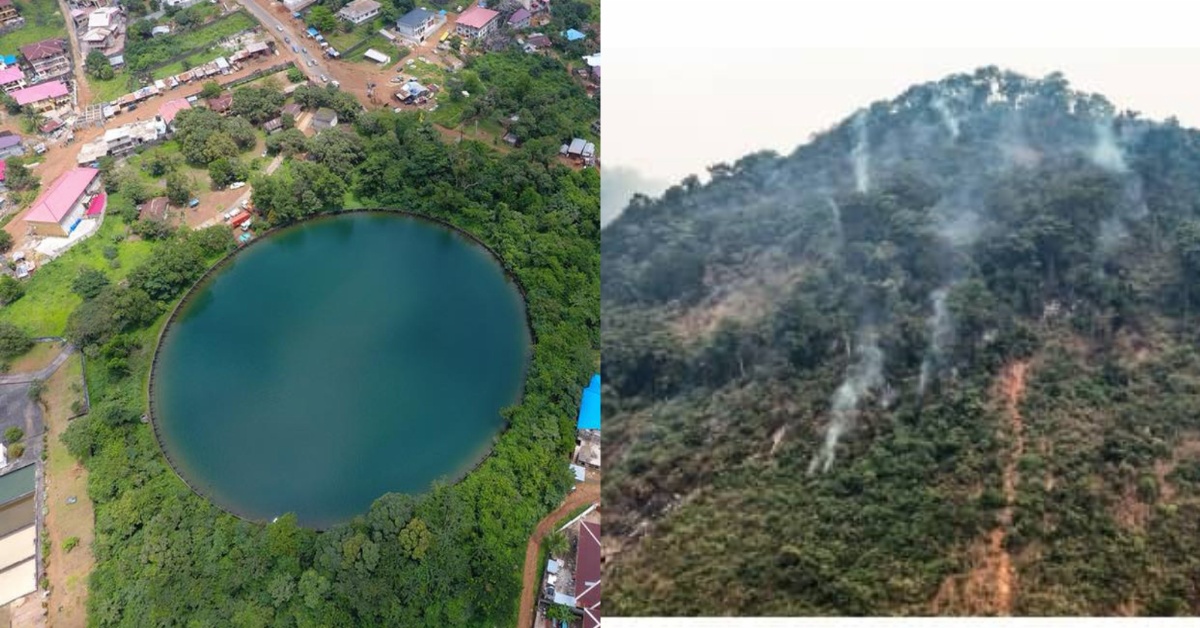
The Government of Sierra Leone, through the Guma Valley Water Company (GVWC) and with support from the African Legal Support Facility (ALSF) of the African Development Bank (AfDB), has successfully concluded a three-day Public–Private Partnership (PPP) Training Workshop for the Water Sector aimed at strengthening institutional capacity to deliver large-scale water infrastructure projects.
The high-level workshop, held from the 2nd to 4th March 2026 at the Swiss Hotel in Freetown, brought together senior technical representatives from key public institutions responsible for infrastructure policy, regulation, procurement, investment promotion, and project implementation.
Institutions represented included the Ministry of Finance, the PPP Directorate at the National Investment Board, the Electricity and Water Regulatory Commission (EWRC), the National Water Resources Management Agency (NWRMA), the Sierra Leone Water Company (SALWACO), the National Consumer Protection Commission, the WASH Network (WASHNet), and the Freetown City Council (FCC), among others.
The workshop forms part of broader government efforts to modernize Sierra Leone’s water sector and attract structured private investment through well-designed PPP frameworks.
Over the three-day training,g6 participants explored core PPP concepts, project structuring, procurement processes, financing models, and contract management approaches needed to implement complex infrastructure partnerships.
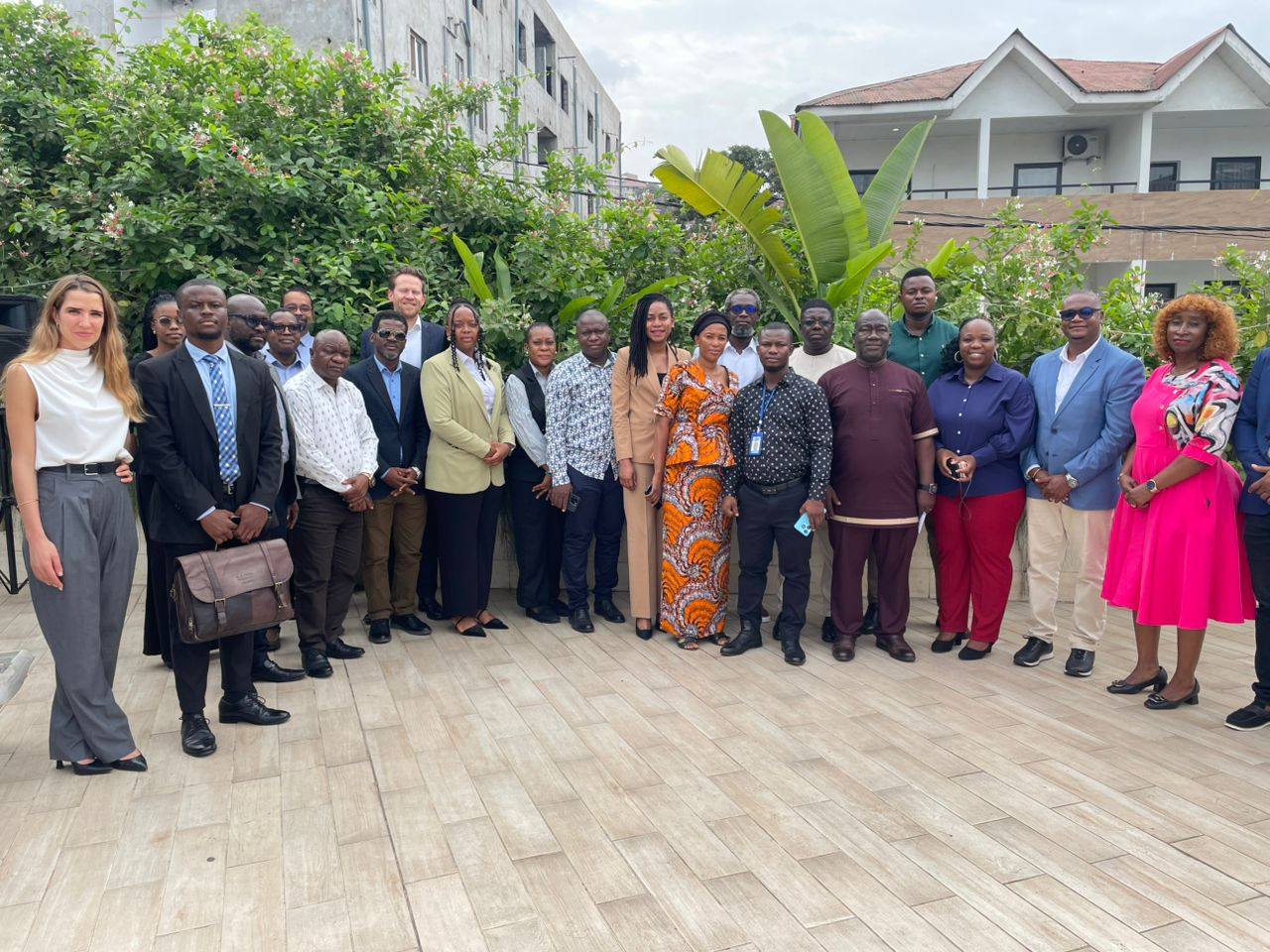
Technical sessions were facilitated by international PPP specialists from the African Legal Support Facility, Rebel Group (Commercial and Financial Advisor), AELEX (Legal Advisor), and Garber & Co. (Local Legal Counterpart).
Participants also examined model Request for Qualification (RFQ) and Request for Proposal (RFP) documents prepared specifically for the Mountain Communities Bulk Water Supply Project, while engaging in practical case studies on risk allocation, tariff sustainability, project bankability, and long-term contract oversight.
Speaking during the workshop, Managing Director of Guma Valley Water Company, Ing. Mariwan Kallon, emphasized the importance of moving beyond theoretical knowledge of PPPs to practical implementation.
He noted that while the PPP concept is often discussed in Sierra Leone, the country’s experience with such arrangements remains limited.
“For too long our understanding of PPPs especially for the water sector has been confined to theory,” he said. “What we need now is the practical experience that will allow our utility to negotiate effectively with international partners and implement projects that are financially viable, technically sound, and environmentally sustainable.”
Ing. Kallon stressed that the training was deliberately designed to include multiple government institutions because water service delivery requires strong collaboration across sectors.
“If you live in the Western Area, you need water. At Guma we are custodians of that lifeline, but we cannot work in isolation. Whatever we learn here must translate into improved service delivery for the people,” he added.
Also speaking at the workshop, Deputy Managing Director of Guma Valley Water Company, Ing. Prince Moore-Sourie, explained that the PPP approach offers an opportunity to mobilize private capital for major water infrastructure projects that government alone may struggle to finance.
He noted that Guma currently faces significant financial constraints in undertaking large-scale investments.
“This is the first time a water service provider in Sierra Leone is exploring private sector participation for infrastructure delivery,” he said. “Before entering that space, we want to ensure that we have the knowledge and institutional capacity to structure agreements that protect the public interest while enabling private investment.”
He further explained that the PPP initiative aligns with long-term plans to expand water supply infrastructure across the Western Area.
According to him, the Mountain Communities Bulk Water Supply Project will serve as a pilot initiative, with the potential to inform future projects under the Western Area Water Supply Master Plan, which envisions the construction of multiple dams to address growing demand.
The training also focused heavily on the Mountain Communities Bulk Water Supply Project, a flagship initiative expected to deliver safe and reliable water to hillside communities including Regent, Gloucester, Leicester, Charlotte, Bathurst, Babadorie, Imatt, and Hill Station.
Speaking on behalf of the African Legal Support Facility, Camille Faure explained that the Government of Sierra Leone first requested technical support for structuring the project in 2023.
“We are supporting Guma and the Government through several key streams of work,” she said. “This includes reviewing the legal and regulatory framework for PPPs in Sierra Leone, strengthening the project documentation, developing standard transaction templates for future projects, and building the technical capacity of institutions involved in the water sector.”
The project is being structured as a 27-year Public–Private Partnership and is expected to benefit more than 300,000 residents by expanding bulk water production through new dam infrastructure and modern water treatment facilities.
Legal experts involved in the project also highlighted the strength of Sierra Leone’s PPP legal framework.
Olusina Sipasa of AELEX, who is working alongside Garber & Co. on the legal structuring of the project, said Sierra Leone’s regulatory framework provides a solid foundation for managing complex infrastructure partnerships.
He explained that under the proposed PPP model, a private partner would undertake key roles such as raising capital, constructing water infrastructure, and treating water, while Guma Valley Water Company would focus on regulatory oversight, risk management, and public engagement.
“The objective is to ensure that the partnership structure allows Guma to become more efficient in delivering water services while maintaining affordability and public accountability,” he noted.
From a financial perspective, Matt Gills of Rebel Group, the project’s commercial and financial advisor, highlighted that one of the core challenges facing water utilities globally is the significant upfront investment required for large water infrastructure projects.
“Building dams and treatment plants requires substantial capital,” he said. “In many cases, tariffs alone are not sufficient to cover the full investment costs.”
He explained that the project therefore requires a carefully balanced financing structure involving government support, development partner contributions, and private sector investment, alongside sustainable tariff policies.
Gills also emphasized that successful PPP projects depend heavily on appropriate risk allocation and market interest.
“The key question is how to design a fair and balanced PPP agreement that attracts credible private investors while ensuring that government does not take on excessive risk,” he said.
As Sierra Leone continues efforts to achieve Sustainable Development Goal 6; universal access to safe water and sanitation, stakeholders say strengthening institutional readiness for PPP projects will be critical.
By bringing together regulators, policymakers, financiers, and implementing agencies on a single platform, the workshop helped build a shared understanding of how complex water infrastructure projects can be structured, financed, and managed over the long term.
Participants concluded the training with a renewed commitment to apply the lessons learned in advancing the Mountain Communities Bulk Water Supply Project, which is expected to become a major milestone in Sierra Leone’s water sector reform.
If successfully implemented, the project could serve as a model for future infrastructure partnerships aimed at securing sustainable and reliable water supply for the growing population of Freetown.


