Human Rights Commission Engages International School Pupils on Child Rights and Civic Responsibilities
 Sahid Bangura
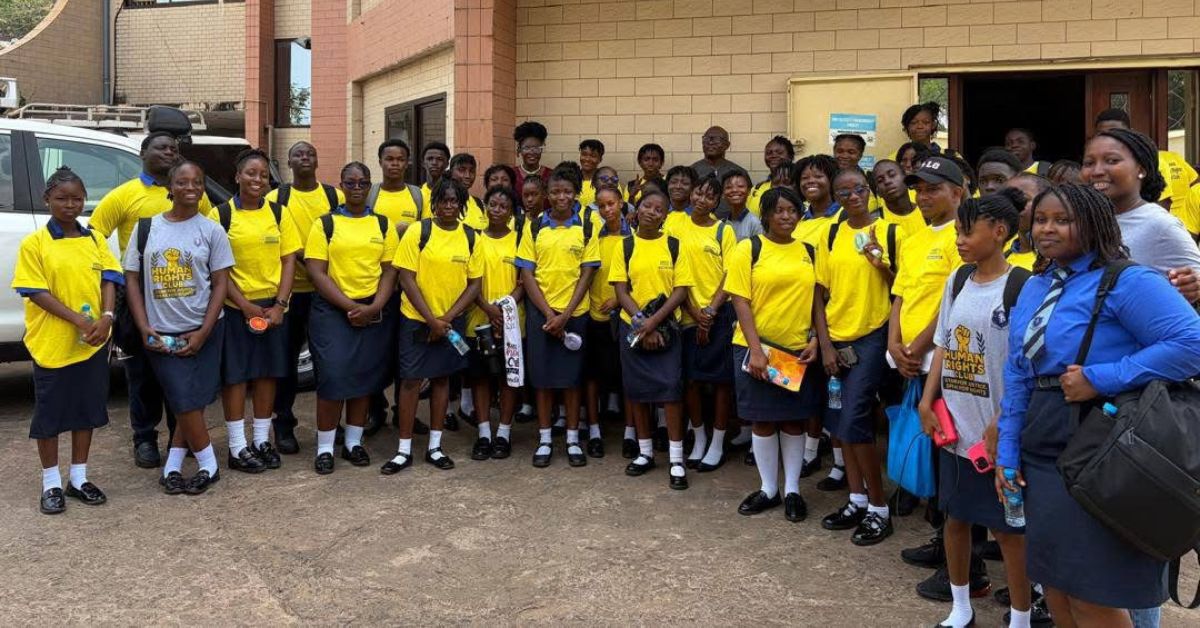
 The Human Rights Commission of Sierra Leone (HRCSL), through its Directorate of Education, Communication and Training, on 16 February 2026 hosted pupils of the International School at the Commission’s Conference Room, Tower Hill in Freetown.
The visit was aimed at familiarising the pupils with the work of the Commission and providing them with first-hand information on human rights, particularly those relating to children and other basic rights.
Chairperson of the Commission, Patricia Narsu Ndanema, welcomed the pupils and assured them of what she described as a good moment during their engagement with the Commission. Seeking to create an interactive atmosphere, Madam Ndanema began by asking the pupils about their basic understanding of human rights.

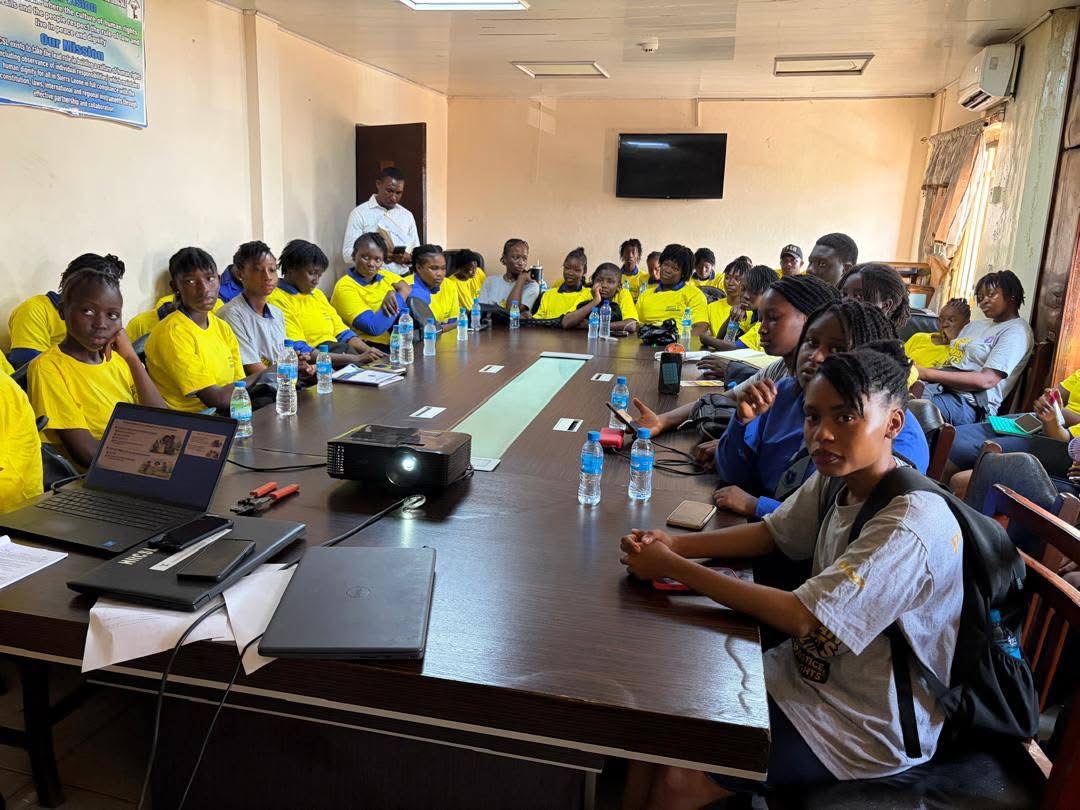
She admonished the pupils to be law-abiding and to focus on their education, noting that education is one of the many rights to which they are entitled as children.
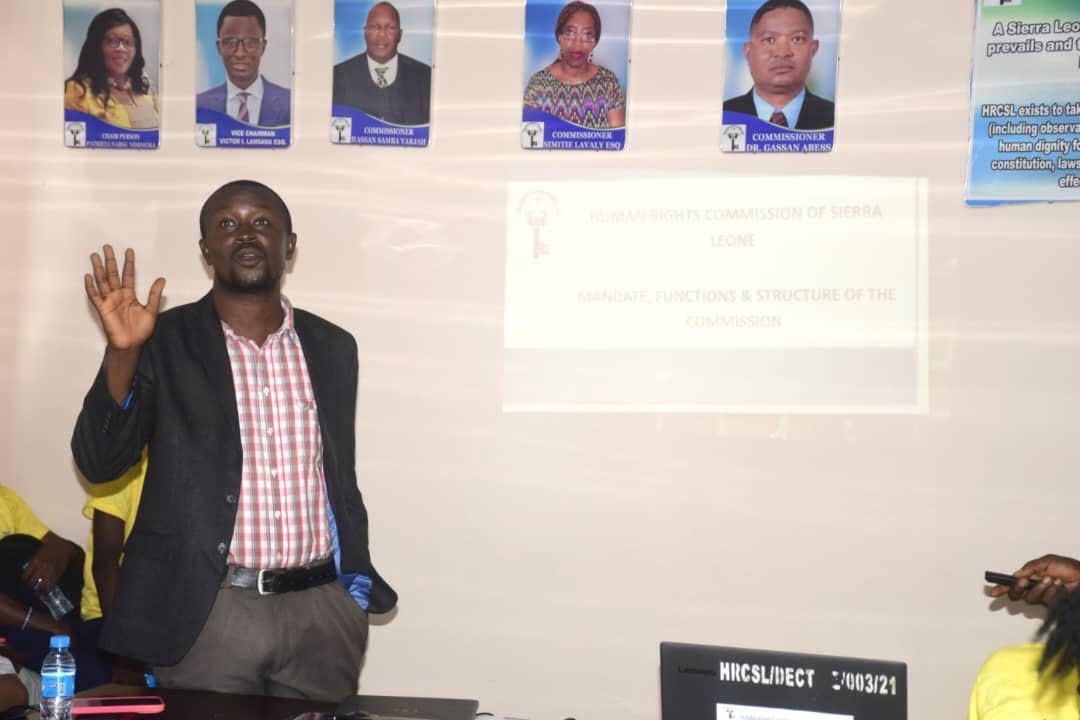
Senior Human Rights Officer, Ibrahim Tarawalie, spoke on the mandate and functions of the Commission and explained its hierarchy. He highlighted key interventions and achievements of the Commission over the years in promoting and protecting human rights across the country.
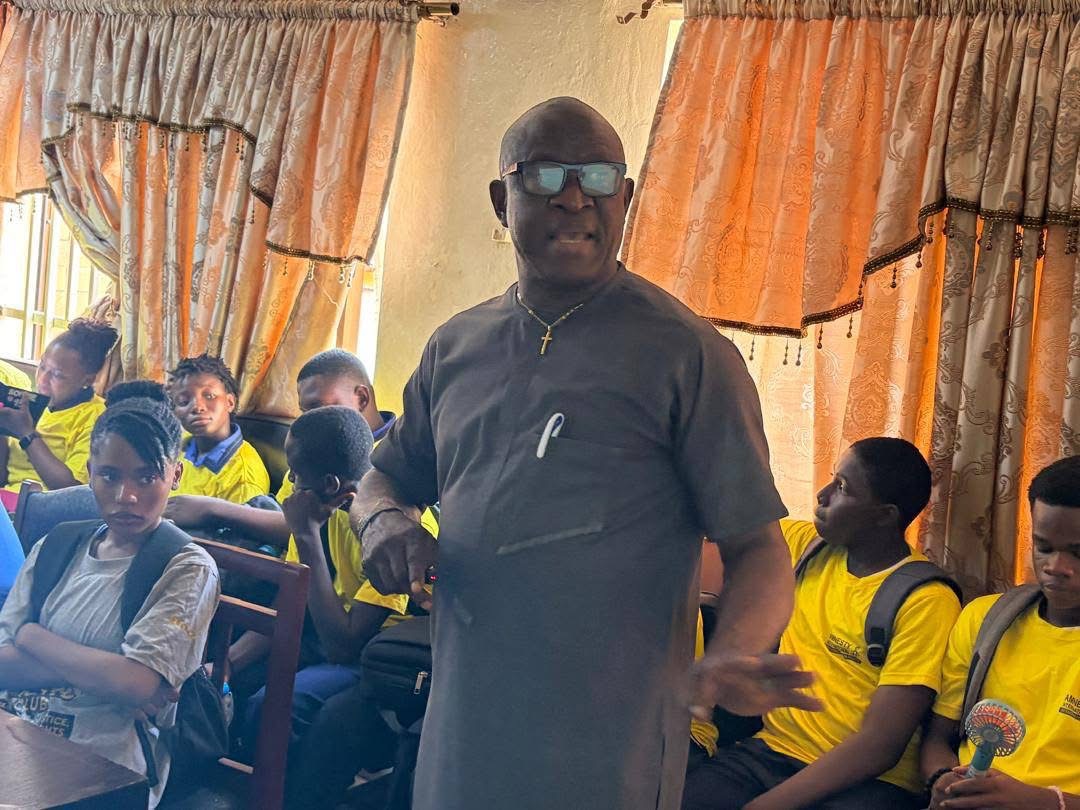
Also speaking at the session was Deputy Director of Gender and Children’s Affairs, Ann-Marie Balboa, who educated the pupils on the Child Rights Act of 2025. She outlined the roles and responsibilities of children toward their parents, teachers and the country as a whole.
Director of Education, Communication and Training, Richard Tamba M’Bayo, delivered a presentation on the generations of human rights. He explained how different categories of rights are interconnected, adding that the violation of one right can lead to the violation of another.
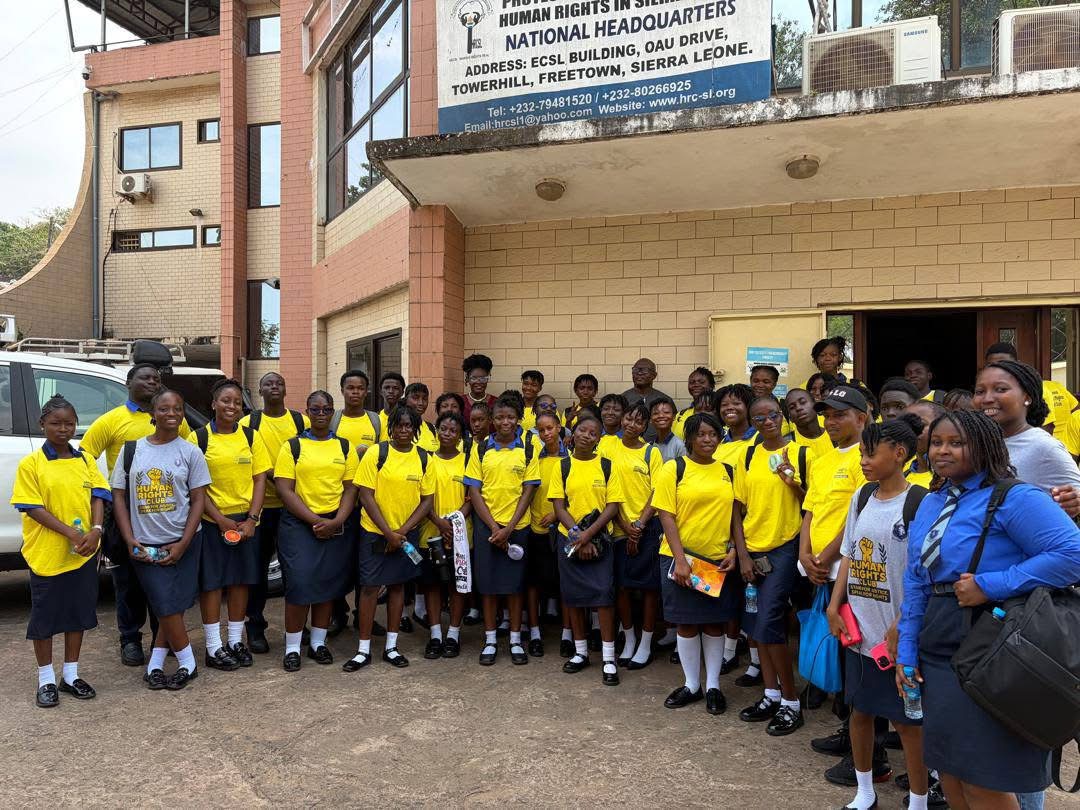
The session was described as both interactive and educative, as the pupils were given the opportunity to ask questions relating to their rights and responsibilities, further deepening their understanding of human rights issues in Sierra Leone.