Post a comment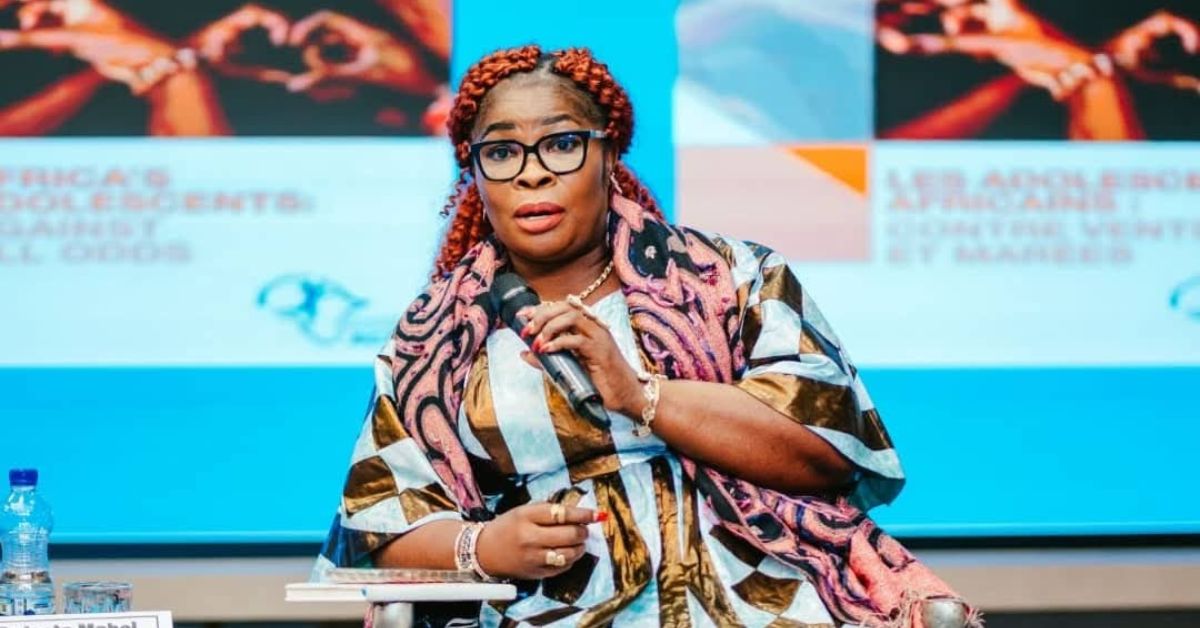
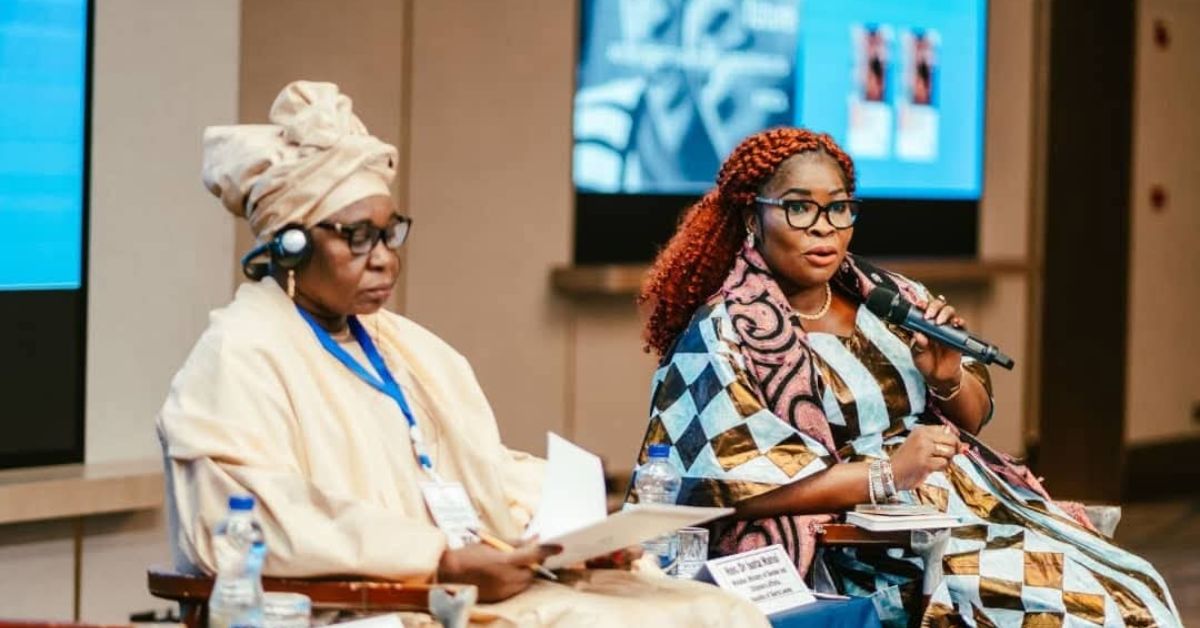
The Minister of Gender and Children’s Affairs, Dr. Isata Mahoi, has reaffirmed Sierra Leone’s commitment to protecting adolescents and eliminating harmful practices during her participation at the 10th International Policy Conference on the African Child, held in Addis Ababa, Ethiopia.
Speaking on the theme “Addressing Harmful Practices Affecting Adolescents,” Dr. Mahoi highlighted Sierra Leone’s significant progress in strengthening the legal and policy environment for young people.
She cited the enactment of the Child Rights Act (2025), the Prohibition of Child Marriage Act (2024), and the Gender Equality and Women’s Empowerment Act (2022) a trio of landmark laws that provide a robust framework to safeguard the rights and well-being of adolescents.
The Minister also emphasized the government’s National Strategy for the Reduction of Adolescent Pregnancy and Ending Child Marriage (2025–2030), which adopts a multisectoral approach linking education, health, protection, and economic empowerment. Through initiatives such as the Free Quality School Education (FQSE) programme, adolescent enrolment has risen significantly, with girls now making up 52% of secondary school attendance nationwide.
Dr. Mahoi further outlined the Ministry’s work to expand access to age-appropriate and stigma-free services through youth-friendly health centres, social protection programmes, and inclusive education opportunities for adolescents with disabilities.
She noted that the National Parenting for Protection Initiative and rehabilitation programmes for adolescents in conflict with the law are fostering resilience and strengthening positive family values.
Highlighting the importance of institutional collaboration, Dr. Mahoi pointed to the National Gender and Children’s Affairs Coordination Framework as a key mechanism enhancing coordination among government sectors, local councils, and development partners for effective service delivery.
She also underscored the role of data-driven decision-making, referencing the 2024 launch of the Adolescent Wellbeing Dashboard, which tracks progress across health, education, and social protection indicators to guide evidence-based policy interventions.
Reaffirming Sierra Leone’s belief in adolescent participation, Dr. Mahoi praised the active roles of the Children’s Forum Network, Youth Advisory Panels, and Community Child Welfare Committees in shaping national policies. She disclosed that more than 5,000 adolescents participated in consultations that informed the drafting of the new Child Rights Act.
Dr. Mahoi’s message reinforced Sierra Leone’s leadership in advancing adolescent rights and its ongoing commitment to creating a safe, inclusive, and empowering environment for every young person.