

MoICE, WHO Forge Strategic Alliance to Boost Health Communication in Sierra Leone
 Sia Lucy Kannah
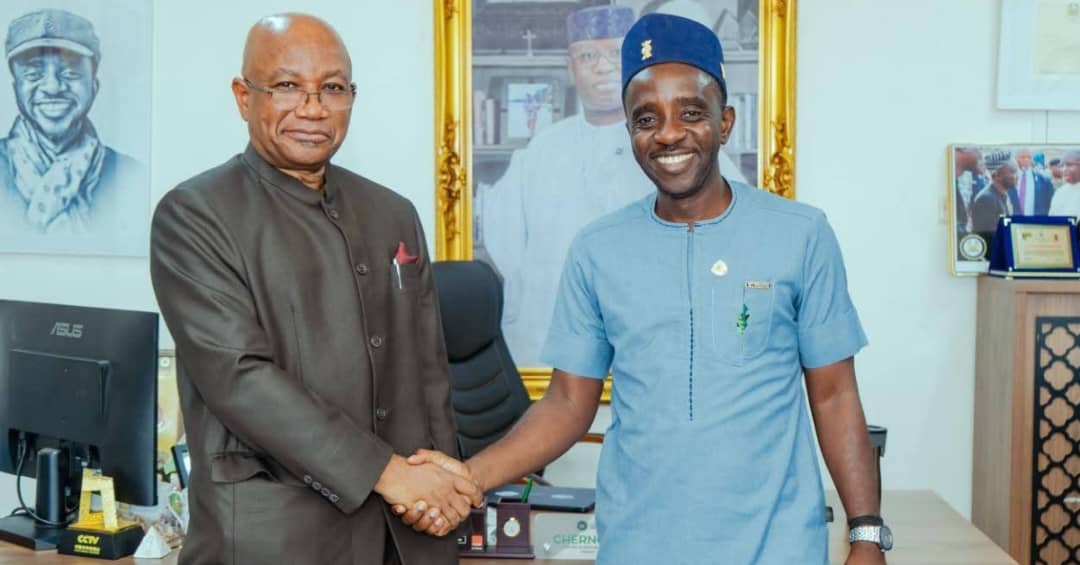
 The Ministry of Information and Civic Education (MoICE) and the World Health Organization (WHO) have announced a strategic alliance to overhaul how health information reaches the Sierra Leonean public.
Minister Chernor Abdulai Bah, during the engagement, reaffirmed the Government’s commitment to strengthening collaboration with the World Health Organization to improve public health communication, civic engagement, and community mobilization across Sierra Leone.
Welcoming the WHO delegation, Minister Bah noted that the Ministry has a critical role to play in informing and engaging citizens, especially on major health and civic issues affecting the country.

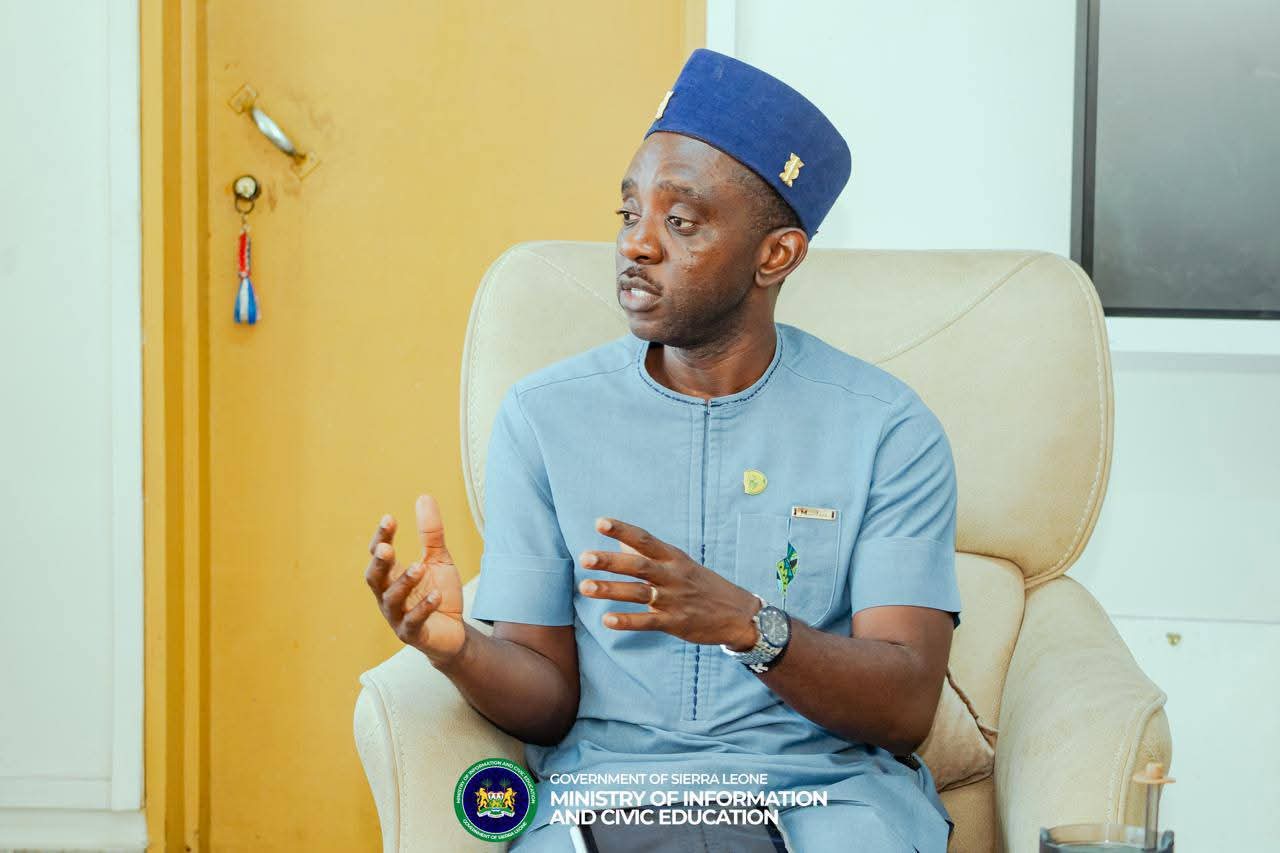

Minister Bah highlighted the Ministry’s ongoing efforts to support national health initiatives, including communication about the MPox outbreak and the recently signed Memorandum of Understanding (MOU) with the Ministry of Health to lead the “300 Days of Activism” campaign. He said the Ministry is responsible for public engagement and community mobilization under the initiative.
He further emphasized that while the Ministry remains focused on epidemic communication, there is also a broader vision to establish a sustainable public health education infrastructure in the country. He linked this effort to the six pillars of civic education, particularly the “HEAL Salone” initiative and ongoing waste management campaigns, which he said require stronger partnerships and coordinated support.
The Minister described the collaboration with WHO as an opportunity to build a stronger public health management ecosystem that can support behavioural change, health education, and national development.
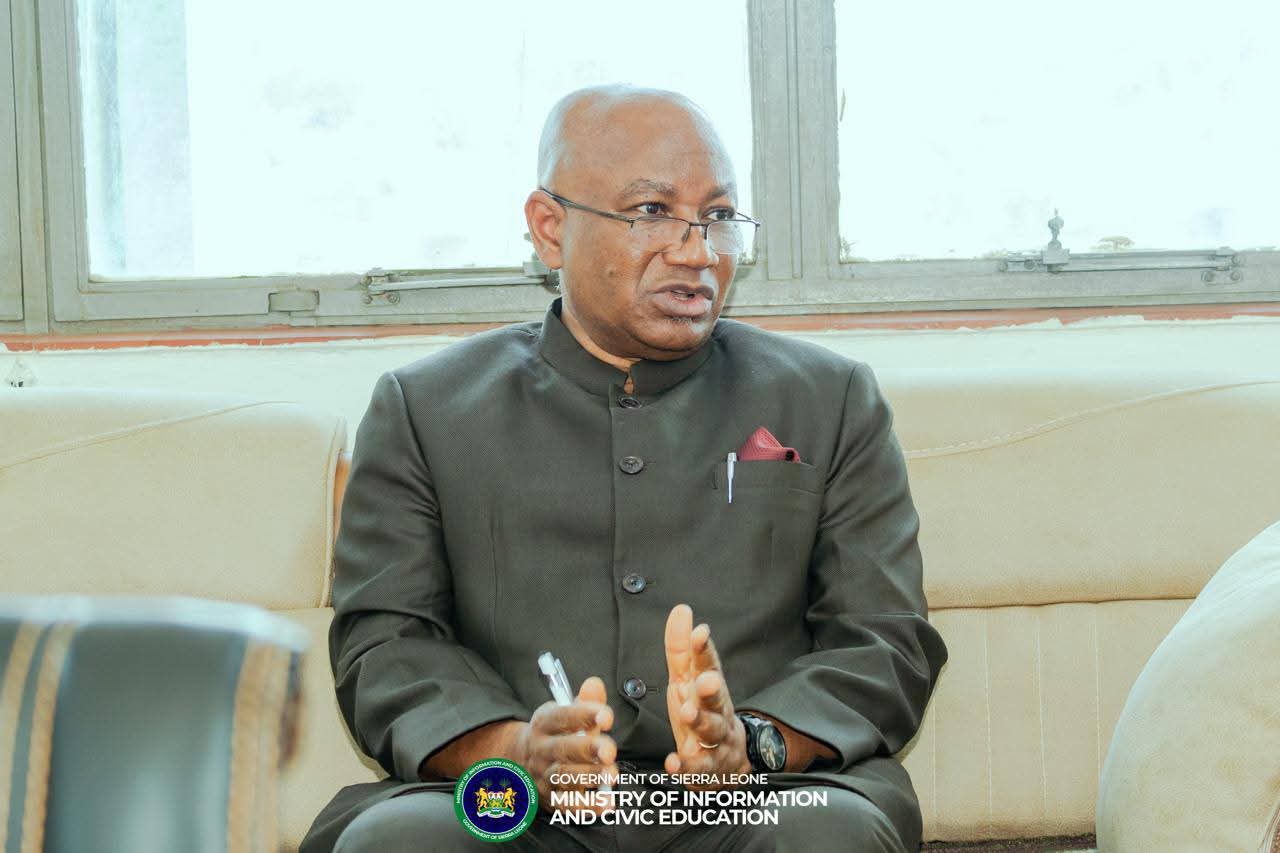
In his remarks, Dr. George F. Ameh commended the Ministry for its proactive engagement in public communication and praised the MOU signed with the Ministry of Health. He stressed the importance of building an ecosystem that can respond effectively to inevitable public health challenges.
The WHO Representative underscored the need for continuous engagement with communities, including traditional leaders and chiefs, especially in addressing issues such as Kush abuse and the growing concern of HIV among young people. He noted that meaningful youth engagement and collaboration with other Ministries, Departments, and Agencies (MDAs) are essential in addressing these challenges.
Dr. Ameh further stated that “when women are healthy, the nation is healthy,” while recommending the development of a joint civic engagement programme involving UN agencies and other stakeholders. He added that development is closely tied to human behaviour and mindset change, emphasizing the need for sustained public education and awareness campaigns.
Finally, both parties reaffirmed their commitment to strengthening collaboration and working together to advance public health communication and civic engagement in Sierra