

 4 Comments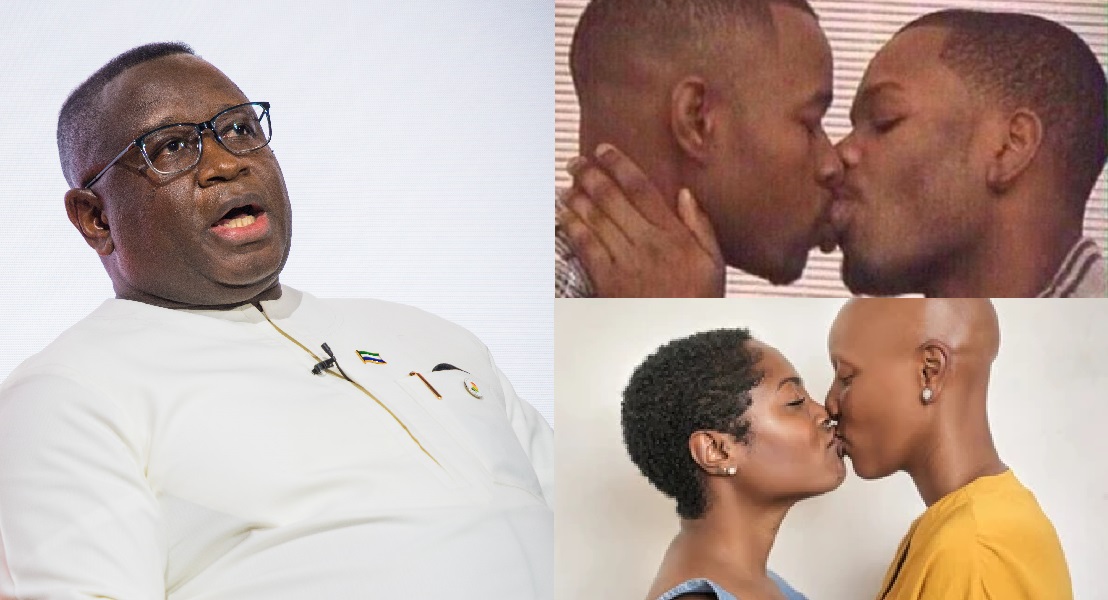
A new report from the Coalition for Equality, a network of nine civil society organizations, estimates that over 5,000 lesbians are actively organized in Freetown, part of a quiet but significant expansion of the country’s LGBTQ community.
This figure marks a dramatic increase in visibility for a community that has long operated in the shadows due to severe legal and social stigma.
Speaking to Truth Media, Ibrahim, a Coalition for Equality member said these 5,000 individuals are actively participating in 25 organized groups within the capital city. The Coalition projects that the total LGBTQ population in Freetown, which includes gay men and men who have sex with men (MSM), is conservatively estimated at more than 11,000. The true number could be as high as 22,000, as many individuals remain hidden due to fear of reprisal.
Despite the risk, the LGBTQ population in Sierra Leone has seen a notable increase over the past 15 years. International reports in 2010 estimated the national community at around 52,000. By 2012, the Dignity Organization reported a surge to between 85,000 and 100,000 people. Today, the Coalition for Equality projects the national population to be between 90,000 and 95,000.
This increased visibility comes at a cost. The LGBTQ community in Sierra Leone faces widespread discrimination in housing, healthcare, and employment. A Coalition member reported that many individuals are struggling to secure housing and jobs once their sexual orientation is discovered.
“I will not rent my house to a gay or lesbian because I am a Muslim man and it is ‘Haram’ in my religion,” said Ibrahim Kargbo, a Freetown landlord, in an exclusive interview with Truth Media. “But I do not hate them because we are all humans and I acknowledge that.”
Healthcare access is also a major concern, with many LGBTQ individuals avoiding hospitals for fear of ridicule or denial of treatment. Some have reportedly died from neglect. In Kenema, a region the Coalition has labeled a “red zone,” a woman was reportedly beaten by her brother for her sexual orientation.
In response, the Coalition for Equality is using data-driven advocacy to push for change. The organization is collaborating with the Human Rights Commission to improve data collection and is working to raise awareness through sensitization campaigns.
While Sierra Leone’s 1861 Offences Against the Person Act criminalizes same-sex activity for men with a punishment of life imprisonment, the LGBTQ community continues to fight for recognition. A National Coordinator for the Coalition stressed that being LGBTQ is “not a matter of choice but by nature,” adding that if these individuals are not tolerated by 2040, “the country will see a different world.”


These so-called demonic organization together with their LGBTQ people should be burned to hell. No wonder disasters never finished in Freetown. Absolutely rubbish.
Let them and their fatuous organization go to hell and burn to ashes.
I don’t know what their ulterior motives are, but trust me they are bootlickers. They want to attract the attention of interested international human rights groups to earn cash from that menace.
You think here is the Western World where they condone every rubbish. The so-called coordinator of such an organisation is out of his/her mind. When you want to practice, go where it exists. You are trying to erode the values of our society.
I don’t think any of them would let their children be a part of that.
The country is grappling with substance abuse and you are forcing other nonsensical life style which is unacceptable in our culture.
I don’t know what their ulterior motives are, but trust me they are bootlickers. They want to attract the attention of interested international human rights groups to earn cash from that menace.
You think here is the Western World where they condone every rubbish. The so-called coordinator of such an organisation is out of his/her mind. When you want to practice it, go where it exists and is accepted by their legal and probably religious books. You are trying to erode the values of our society.
I don’t think any of them would let their children be a part of that.
The country is grappling with substance abuse and you are forcing other nonsensical life style which is unacceptable in our culture.