

Parliamentary Committee Reviews SLENA Operations, Urges Stronger Reporting and Institutional Support
 Sia Lucy Kannah
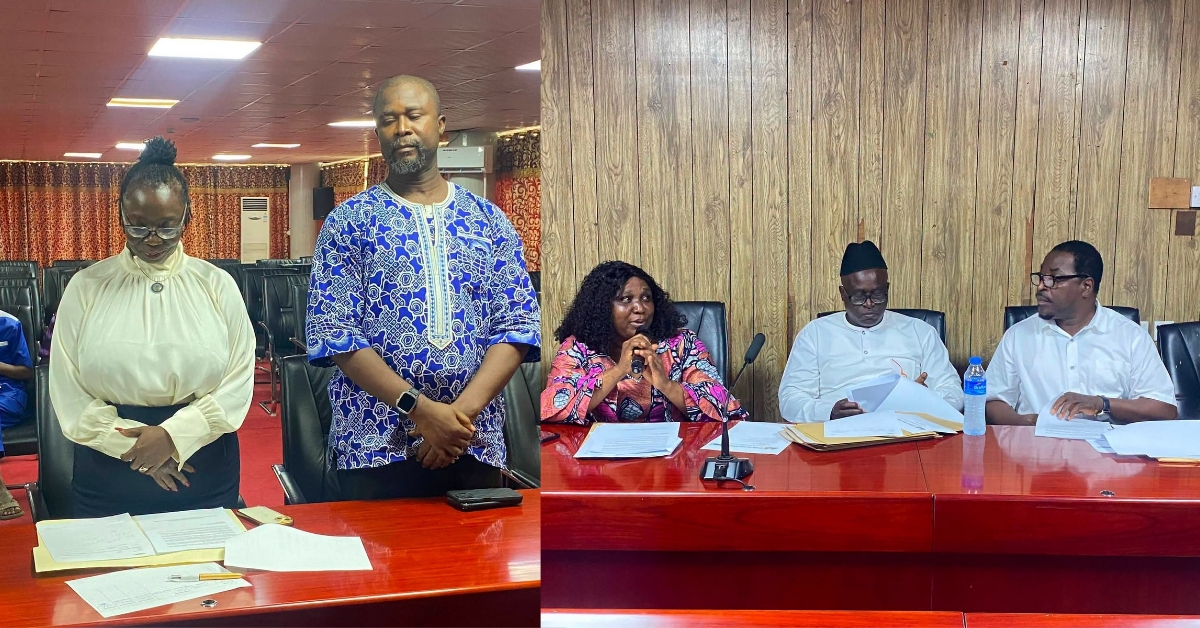
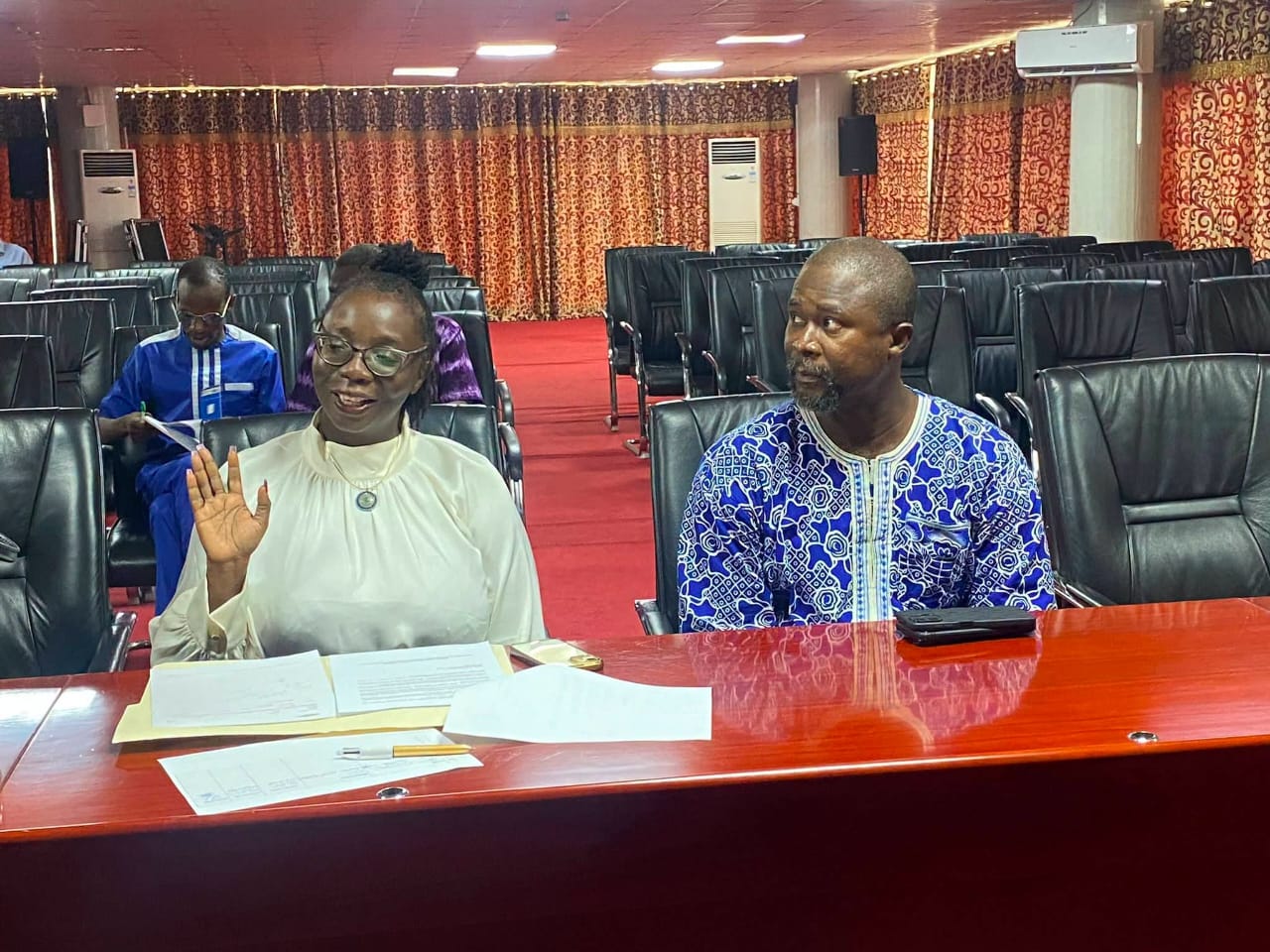
 Parliamentary Committee on Information and Civic Education summoned the management of Sierra Leone News Agency (SLENA) for oversight engagement and reviewing operational performance, financial position, strategic direction, institutional challenges, and ongoing reform efforts.
During the meeting, SLENA Managing Director Madam Lolo Yeama Thompson-Oguamah presented the agency’s status report, covering the period from 1 January 2026 to date. She described the period as an important stage in SLENA’s institutional transformation under the supervision of the Ministry of Information and Civic Education.
She said that despite severe financial constraints, the agency has continued to strengthen its role as Sierra Leone’s national news agency.

The Managing Director disclosed that although Parliament approved SLENA’s 2026 budget, no procurement funds have been released to the agency. She said SLENA has nonetheless sustained operations through staff commitment and support from partner institutions.
She thanked the previous Parliamentary Committee on Information for supporting the recruitment of additional personnel, noting that SLENA now has 26 correspondents deployed across Ministries, Departments, and Agencies, including Parliament, the Office of the President, the Office of the Vice President, and other key public institutions. According to her, that deployment has significantly expanded the agency’s national news coverage.
Additionally, the Committee was told that SLENA has also undertaken major digital reforms. The agency now operates an official website with artificial intelligence features that automatically translate news content into several international languages based on users’ geographical locations. It has also strengthened its presence on Facebook, X, YouTube, and LinkedIn to widen public access to its content.
Thompson-Oguamah further highlighted efforts to improve editorial standards through the recruitment of qualified editors and strategic partnerships with international news agencies in Morocco, Russia, and member states of the Organisation of Islamic Cooperation. She said those partnerships have created opportunities for staff training in photojournalism and online professional development.
Members of Parliament acknowledged SLENA’s progress but raised concerns about gaps in the report. They noted the absence of detailed statistical data on website traffic, social media reach, audience engagement, and online followership, stressing that such indicators are essential for measuring the impact of the agency’s digital expansion.
The Committee also questioned the distinction between SLENA’s statutory mandate and the functions of other institutions under the Ministry of Information and Civic Education, particularly the National Council for Civic Education and Development. Members expressed concern about the apparent overlap in responsibilities and called for clearer coordination to improve efficiency.
On logistics, Committee members asked whether correspondents have adequate transport and operational support. Thompson-Oguamah revealed that SLENA currently has no operational vehicle and has depended on host MDAs to provide office space, transport assistance, and other support for news gathering.
Finally, the Committee assured the agency that it will continue engaging the Ministry of Information and Civic Education and other relevant authorities to advocate for the timely release of approved budget allocations and for stronger support to SLENA’s institutional development.