

 Post a comment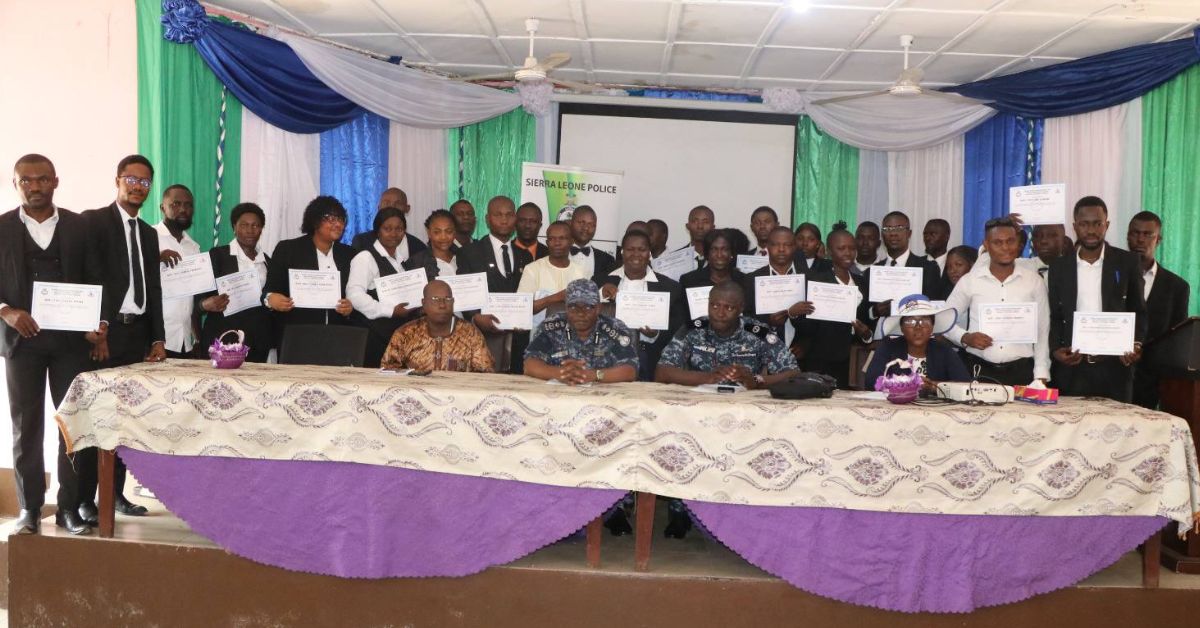
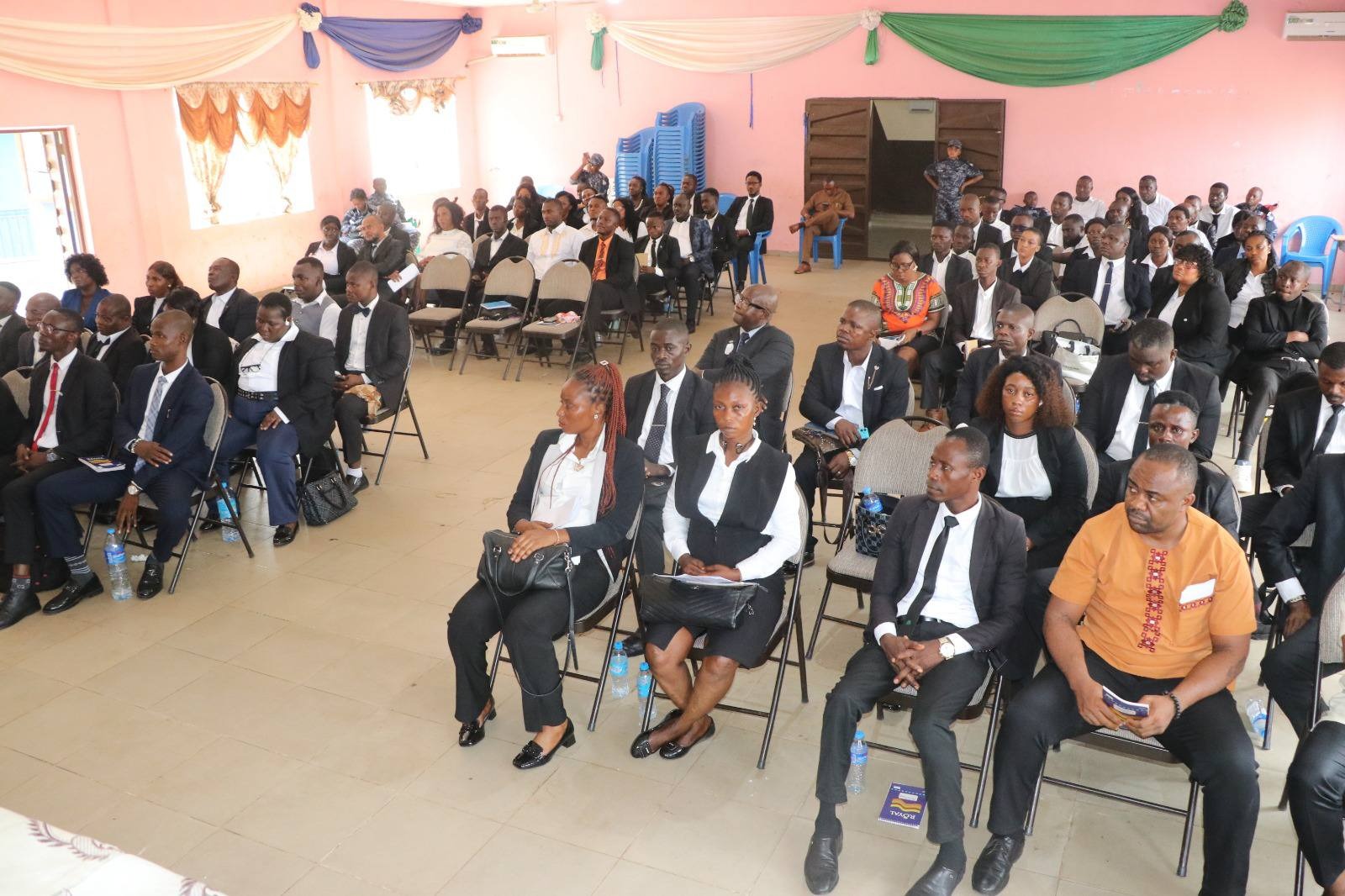
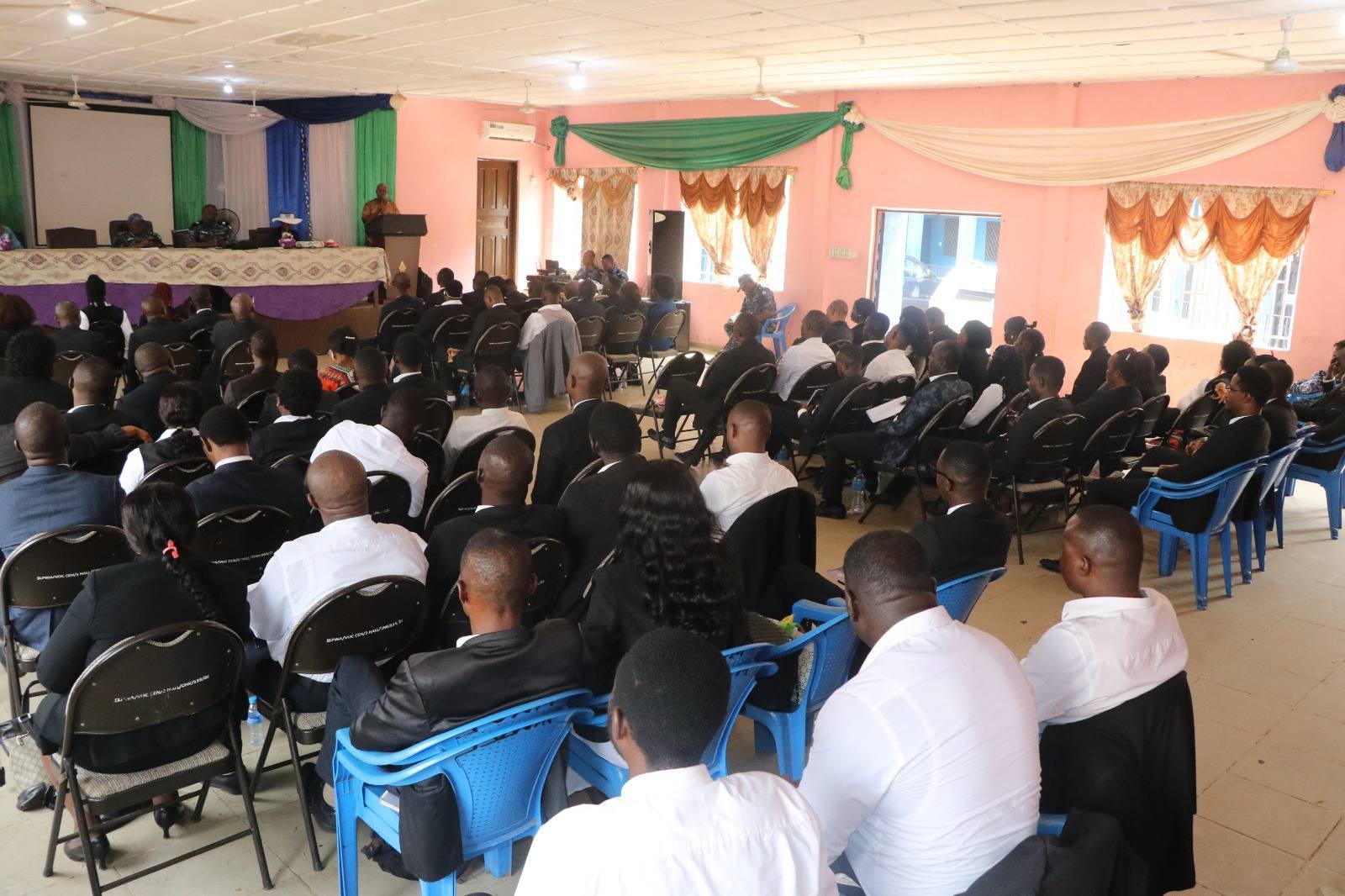
The Sierra Leone Police (SLP) has successfully concluded a five-day intensive induction training aimed at enhancing investigators’ capacity for effective crime detection and prosecution. The training took place at the Police Wives Association Multipurpose Hall, Kingtom, Freetown.
Delivering the closing remarks, the Deputy Inspector General of Police, Sahr Yamba Senesi, noted that such training had not been conducted for several years. He said that under the leadership of Inspector General of Police, William Fayia Sellu and the Executive Management Board, it was deemed necessary to equip Criminal Investigation Department (CID) investigators with the requisite knowledge to improve service delivery.
DIG Senesi described the training as timely and a landmark achievement in the history of the SLP, emphasising that knowledge acquisition enhances effectiveness and productivity in the discharge of duties.
He commended the facilitators and organisers for a well-structured and successful programme, congratulated the participants, and urged them to utilise and share the knowledge gained with colleagues who were unable to attend, as a guide for future engagements.
The Acting Director of Training, ACP Joe Kamanda Bongay, expressed appreciation for the training, noting that it had been a long time since such an initiative was organised for police officers.
He thanked the IGP for prioritising capacity building through continuous training and workshops, adding that visionary leadership prepares personnel for future challenges. He also congratulated the participants on the successful completion of the programme.
Representing the Director of Crime Services, ACP Joan Bull Kamara, SLP’s Legal Officer One, described the CID as the nucleus and heartbeat of the SLP. She said the training was designed to strengthen professional investigative procedures and urged participants to apply the knowledge acquired in the course of their duties.
In his remarks, the Head of CID, ACP Allieu Jalloh, thanked the Training Department and facilitators for the opportunity afforded his unit. He observed that after several years, CID personnel had been given the chance to gain professional investigative skills that would significantly enhance their operational capacity. He encouraged participants to put the knowledge gained into practice, describing knowledge as priceless.
One of the participants expressed appreciation for the training, stating that it had equipped them with the necessary skills to enhance effective service delivery.
The event climaxed with the presentation of certificates and a group photograph featuring facilitators and participants.


