

 Post a comment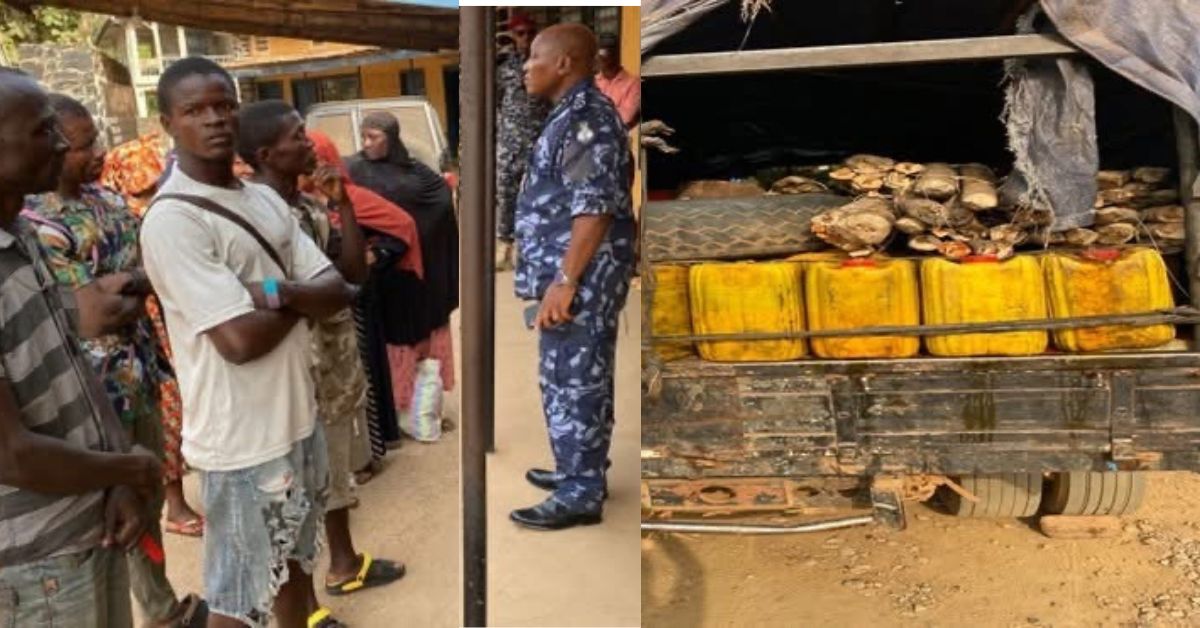
Police in Bo have reportedly arrested a truck and two vans suspected of transporting large quantities of palm oil allegedly siphoned from shipments belonging to Socfin Agricultural Company (SL) Ltd., a major palm oil producer operating in Sahn Malen.
The vehicles were reportedly intercepted at the Ngelehun Police Checkpoint and later taken to the Sierra Leone Police West Division headquarters in Bo for investigation.
The development comes amid continuing concerns from Socfin over persistent theft of its palm oil products. The company, which manages extensive oil palm plantations and processing facilities in Malen Chiefdom, has repeatedly identified asset theft – including palm fruits and processed red palm oil – as a significant operational challenge affecting its activities and economic contributions to Sierra Leone.
According to sources familiar with the matter, the incident is linked to alleged activities of a palm oil theft syndicate operating along the Lungi-Koribondo road corridor, with suspected connections to traders in Koribondo and Jiama.
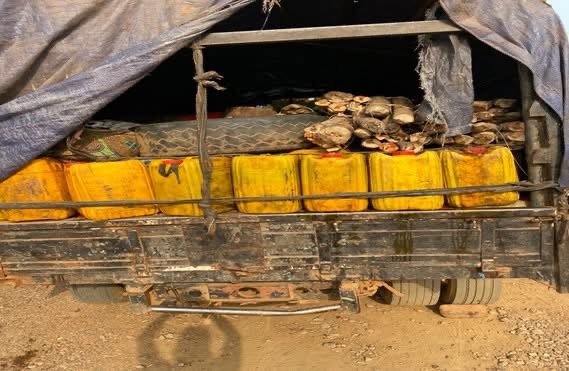
The alleged scheme reportedly involves tanker drivers transporting palm oil from Socfin’s facilities who divert portions of the cargo to roadside buyers for illicit resale before continuing their journey to Freetown.
Sources said that on Thursday, February 19, 2026, routine haulage tankers departed Socfin’s operations in Malen Chiefdom for Freetown. Later that night, between about 10:00 p.m. and 10:45 p.m., individuals responding to intelligence reports reportedly visited a location along the Lungi–Koribondo road where the alleged transaction was said to have taken place.
At the scene, several blue drums and yellow plastic containers were reportedly found scattered along the roadside. Some were filled with red palm oil while others were empty and believed to be awaiting filling.
A red Serena van with registration number AQQ166 was also seen parked nearby. Sources claimed the vehicle belonged to one of the businesswomen allegedly involved in the operation and was being used to transport the oil to Koribondo town, where it would later be consolidated and moved onward to Bo.
Police action followed several days later. On Monday, February 23, 2026, three vehicles loaded with large quantities of palm oil were intercepted at the Ngelehun Police Checkpoint in Tikonko Chiefdom.
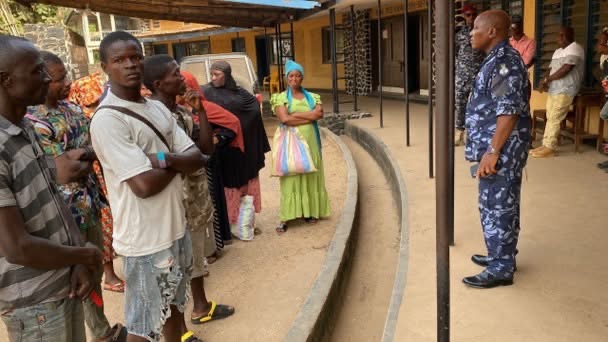
The vehicles were subsequently escorted to the Bo West Division Police Headquarters for further investigation.
However, sources close to the matter have alleged that the process may have been compromised. The sources claimed the situation fell under the oversight of the Assistant Inspector General of Police for the Southern Region, Andrew Mustapha Kamara.
An anonymous insider was quoted as saying, “Na money dae stop nonsense,” suggesting that financial inducements may have influenced how the case was handled.
According to the same sources, the three vehicles and their contents were released on Tuesday, February 24, 2026, less than 24 hours after their interception. The release reportedly occurred without a full accounting of the quantity of palm oil recovered or verification of ownership.
Critics of the decision claim the palm oil was clearly identifiable as property of Socfin but allege that law enforcement prioritized releasing the suspects and goods rather than pursuing a full investigation.
Observers have also pointed to a contrast with a previous case involving stolen diesel intercepted at the Bo Regional Garage, where suspects and exhibits were reportedly held for a longer period before any release was considered.
The same insider again attributed the quick resolution in the palm oil case to monetary influence, repeating the phrase: “Na money dae stop nonsense.”
The situation has raised broader concerns about the level of protection available to legitimate businesses operating in Sierra Leone, particularly large agricultural investors such as Socfin.
Socfin has previously advocated for stronger security measures to combat theft from its plantations and supply chains, including community engagement initiatives aimed at reducing fruit and oil pilfering.
However, if the allegations surrounding the February 23 interception are substantiated, critics say they could indicate a failure by authorities to effectively protect private investments and enforce the law.
Calls are now being made for the Inspector General of Police to launch an independent investigation into the events at the Ngelehun checkpoint, including how the intercepted vehicles and suspected stolen palm oil were handled by officers at the Bo West Division.
Supporters of such a probe argue that an independent review would help determine whether any corruption or undue influence occurred and could help restore public confidence in the impartiality of the police.
Attempts to obtain a response from the office of the Assistant Inspector General of Police for the Southern Region were unsuccessful. According to media sources, the office currently maintains a closed-door policy toward journalists, a position that differs from the approach adopted by some previous regional commanders.
Meanwhile, analysts note that Sierra Leone’s economy relies heavily on investments in agriculture and agro-processing. Companies such as Socfin provide employment, infrastructure development, and export revenue.
They argue that protecting such enterprises from theft and ensuring transparent law enforcement processes remain essential for sustaining economic growth and investor confidence.
Until the matter is fully examined, observers say questions will continue to linger over how effectively businesses contributing to national development are being protected.


