

Chief Minister Sengeh Inspects Falaba Projects, Admits Challenges in Roads, Water and Power
 Sahid Bangura
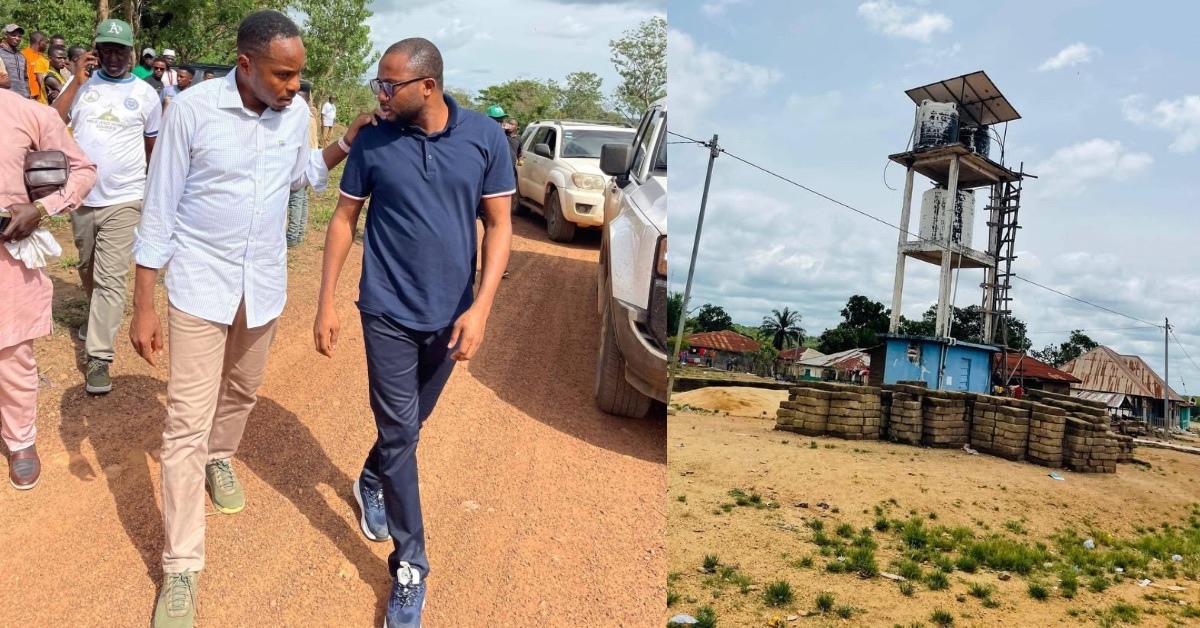
 The Chief Minister of Sierra Leone, David Moinina Sengeh, has inspected ongoing development projects and public services in Falaba District, stating that the government of President Julius Maada Bio continues to expand development in the country’s most remote district despite major challenges in infrastructure and service delivery.
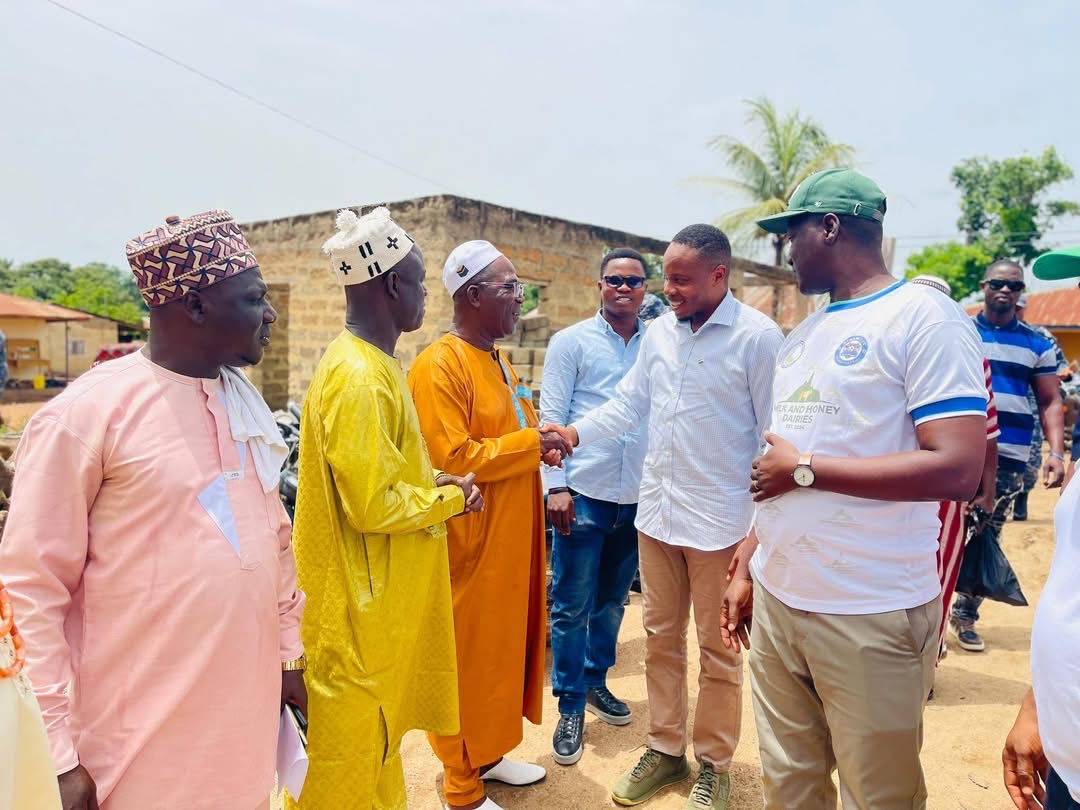
Dr. Sengeh made the remarks in a statement titled “The Chief’s Diary: Bringing Development to Falaba District One Kilometer, One Kilowatt, One Cubic Meter, and One Brick at a Time,” published following his visit to Mongor in Falaba District on Saturday, May 23, 2026.
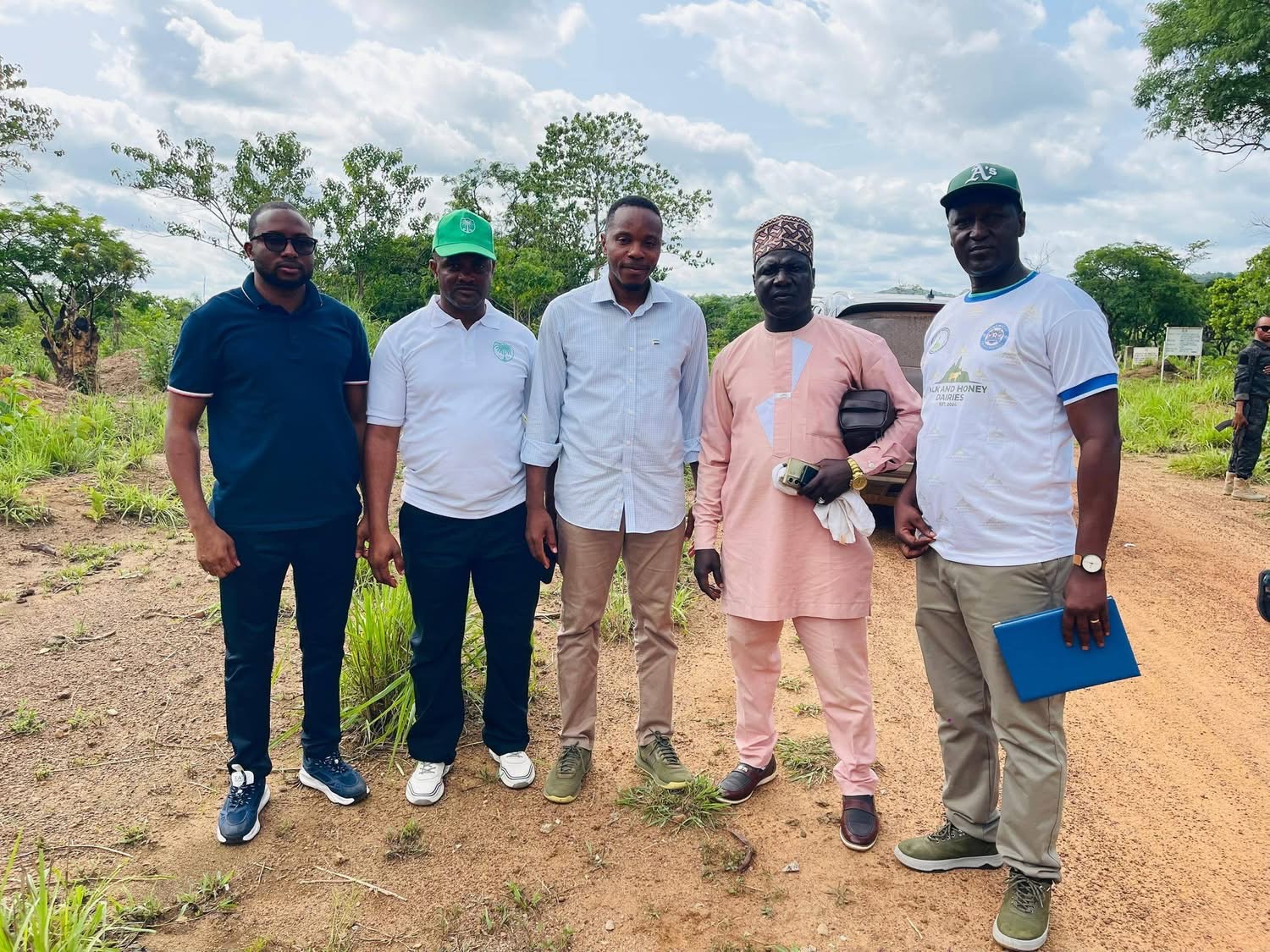
According to the Chief Minister, he was accompanied by the Deputy Minister of Water and Sanitation, Ing. Francis Kallon, during the visit aimed at assessing government commitments and development progress in the district.

Pavi Fort Resumes Rapid Road Construction on Sani Abacha Street, Government’s Infrastructure Development Reinvigorated

Orange Sierra Leone Rewards Loyal Customers With Brand-New Kekeh and Motorbike
WFP Request For Expression of Interest – Provision of Marketing Services For Local Complementary Foods in Sierra Leone
He said the delegation was welcomed by the Council of Paramount Chiefs, the District Council Chairman and councilors, as well as officials of the Sierra Leone People’s Party (SLPP) in the district.
Dr. Sengeh stated that the government remains committed to fulfilling promises of inclusive development made by President Bio to the people of Sierra Leone, particularly residents of Falaba District.
Speaking on water supply in Mongor, the Chief Minister acknowledged that the centralized water system constructed some years ago is currently in need of repairs.
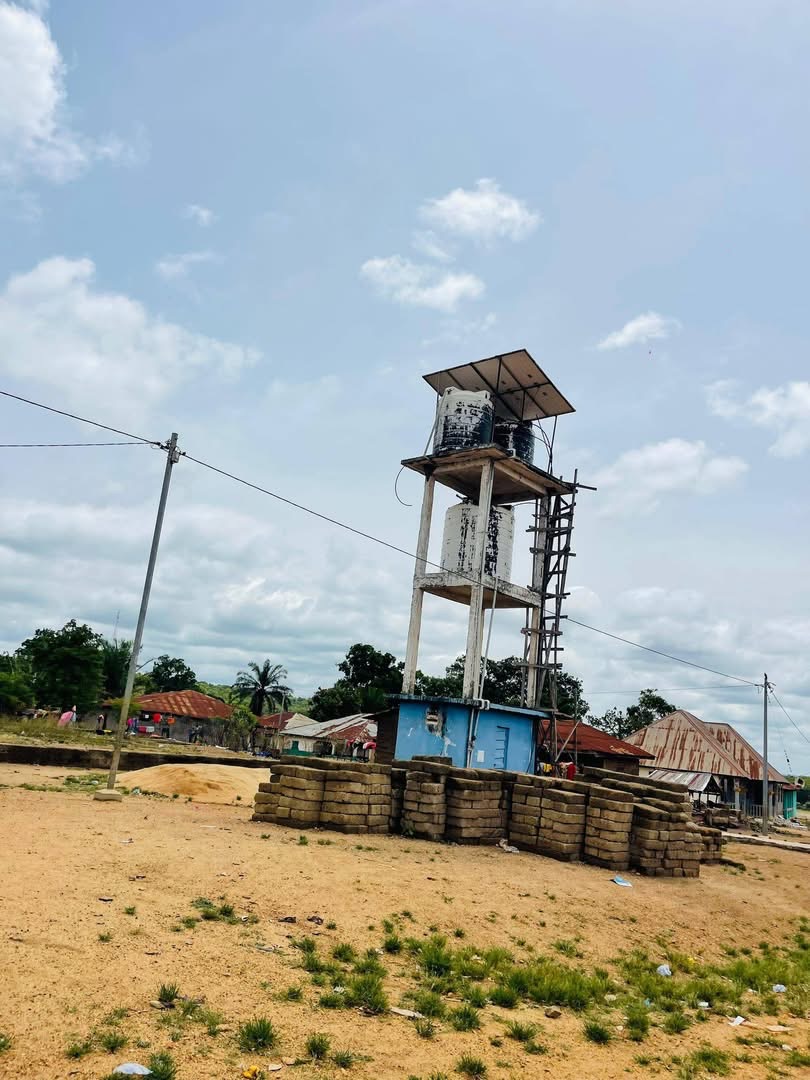
He disclosed that the Sierra Leone Water Company (SALWACO), which operates under the Ministry of Water Resources and Sanitation, has already been informed about the issue.
Despite the existing problems, Dr. Sengeh maintained that residents now have increased access to clean water compared to previous years.
On electricity supply, the Chief Minister explained that Mongor currently benefits from a mini-grid electricity project and is among seven towns across five chiefdoms in Falaba District with access to electricity.
However, he admitted that the community does not yet enjoy uninterrupted 24-hour electricity. According to him, the electricity demand in the town was underestimated during assessments conducted in 2023 because some opposition politicians allegedly discouraged residents from registering and purchasing electricity meters.
He further noted that increasing electricity consumption and illegal power connections have also contributed to pressure on the mini-grid system.
“We will look into how to resolve these issues,” Dr. Sengeh stated, adding that Mongor currently has more electricity access than at any previous time.
Addressing concerns about road connectivity, the Chief Minister admitted that roads leading to Mongor are in very poor condition and may become inaccessible during the rainy season.
He disclosed that constructing a complete tarred road from Kabala to Korunbola would cost more than 200 million United States dollars. Nevertheless, he said the government has already commenced work on the road from Kabala to Limbaya through Falaba Town.
Dr. Sengeh further pledged continued government commitment to extending road infrastructure deeper into the district.
“As a champion of radical inclusion, it’s my commitment that our government, now or beyond 2028, will continue to Mongor one kilometer at a time,” he stated.
The Chief Minister also highlighted several public infrastructure projects completed in the district since Falaba attained district status. He mentioned the construction of an eye hospital, a nursing school and a council hall as part of the government’s investments in the area.
At the same time, he acknowledged that several projects, including the prison facility, the District Health Management Team (DHMT) office and the courthouse, remain stalled. He assured residents that the relevant institutions would be contacted to ensure the projects are completed.
On education and agriculture, Dr. Sengeh said Falaba has benefited from the construction of schools and other public education initiatives aimed at improving access to quality education.
He also called for stronger support under the government’s Feed Salone initiative, particularly in providing agricultural machines, technical skills and livestock equipment requested by local farmers.
The Chief Minister further noted that much of the millet and vegetables produced in the district are sold in neighboring Guinea due to existing road connections to cross-border markets.
Concluding his assessment, Dr. Sengeh admitted that serious challenges remain, especially regarding road conditions, but insisted that development progress is being recorded across several sectors in Falaba District.
“Yes, there’s progress along the board. Yes, the roads are in terrible condition. And yes, on each of those development indicators, together #WeAreDelivering for Falaba,” the Chief Minister stated.