
Plastic Pollution Threatens Sierra Leone’s Environment, Officials Say
 Osman Tolo Sesay
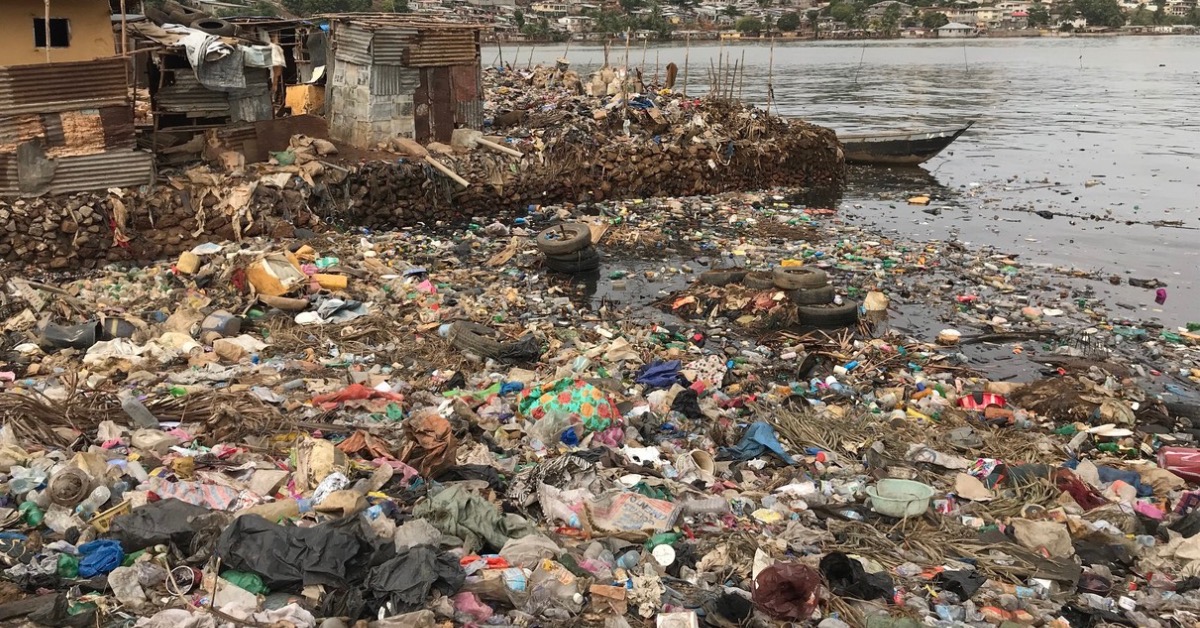
 Sierra Leone is facing increasing environmental pressure from plastic waste, with officials warning that pollution is becoming a major threat to ecosystems, livelihoods, and public health across the country.
The Strategic Communications Adviser at the Ministry of Information and Civic Education, Mohamed Jaward Nyallay, disclosed that the country generates an estimated 130,000 tons of plastic waste annually, with more than half of it ending up in the environment.
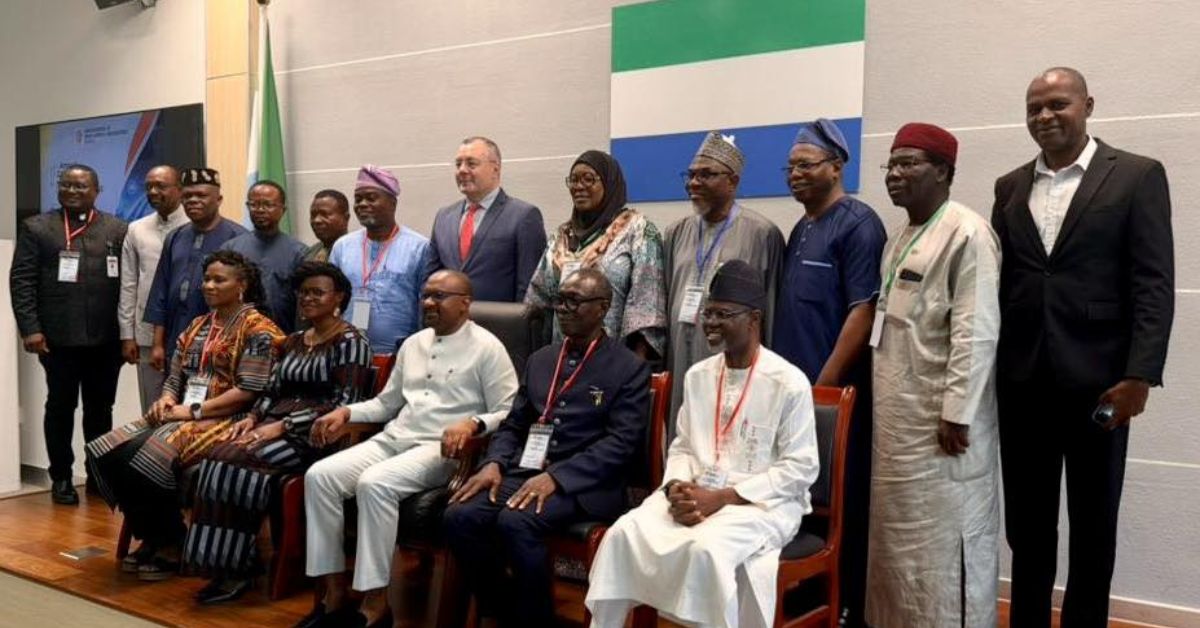
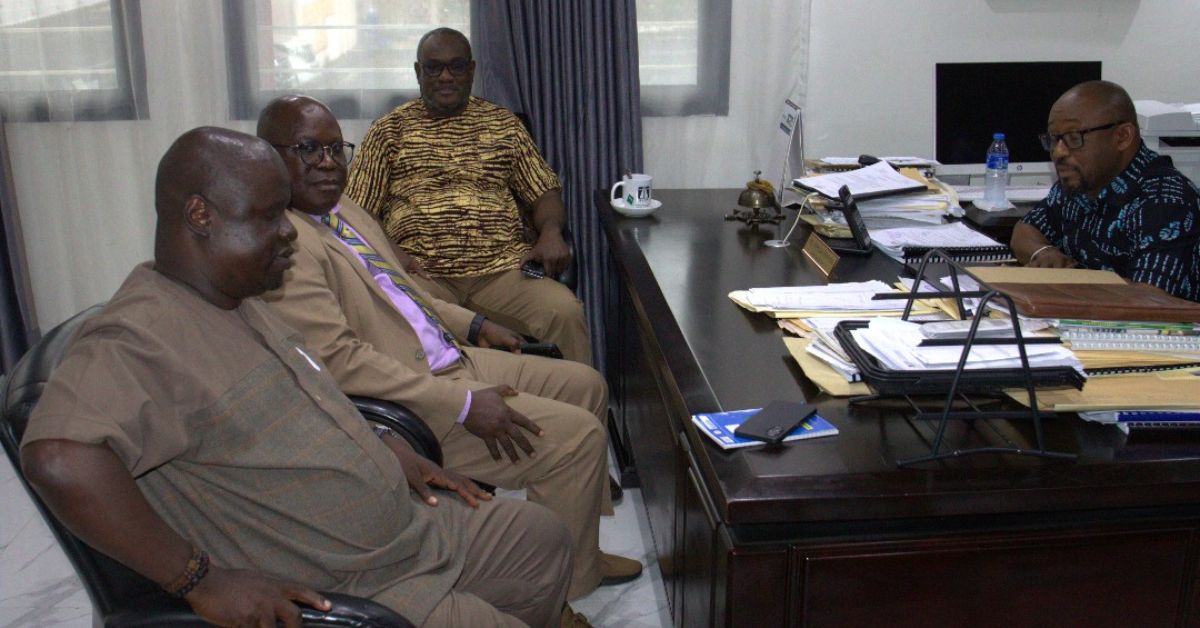
He made the statement on Tuesday, April 28, 2026, during the Ministry’s weekly press conference held at the Miatta Civic Center in Freetown. The briefing formed part of activities marking “Go Circular Week 2026,” which focuses on promoting sustainable waste management and environmental protection.

Nyallay warned that plastic pollution is increasingly affecting marine ecosystems and coastal communities, many of which depend on fishing and tourism for their livelihoods.
He further revealed that the tourism sector alone is impacted by an estimated 42 million single-use plastic items annually, while only about six percent of plastic waste is currently recycled.
While acknowledging that public awareness on waste reduction and recycling has improved under the “Go Circular” campaign, he stressed that stronger national intervention is urgently needed to address the scale of the problem.
The Deputy Minister of Environment and Climate Change, Mima Yema Mimi Soba-Stephens, also addressed the conference, describing plastic waste management as a national priority linked directly to environmental protection and public health.
She noted that awareness campaigns have been extended to coastal communities, which remain particularly vulnerable to pollution, adding that poor waste disposal practices continue to contribute to blocked drainage systems, urban flooding, and ocean contamination.
She also raised concern over potential health risks associated with plastic pollution, including exposure to microplastics through food and water, warning that the long-term implications could be significant.
Representing the Ministry of Tourism and Cultural Affairs, Senior Tourist Officer Tamba Sheku Bundor identified single-use plastics such as sachet water bags and nylon packaging as major contributors to environmental degradation. He noted that such waste also undermines Sierra Leone’s tourism appeal.
Bundor highlighted recent fiscal measures, including taxes on imported plastics and incentives for environmentally friendly businesses introduced by the Ministry of Finance, describing them as important steps toward reducing plastic consumption.
From the private sector, Walid Bahsoon, Managing Director of Premier Environ Solution Limited, outlined ongoing efforts to convert plastic waste into construction materials such as building blocks. He said the initiative helps reduce environmental pollution while creating economic value by purchasing plastics from the public.
He also called for stronger policy support, proposing that public infrastructure projects allocate 10 to 15 percent of materials from recycled products to strengthen demand within the recycling industry.
Swaliho Kanneh, Business Development Executive at Alphatek, emphasized the importance of private sector involvement in waste management, noting that his company collects plastic waste from both producers and consumers for recycling and resale.
The press conference ended with a unified call from government officials and private sector actors for greater public responsibility in tackling plastic pollution.
Stakeholders stressed that sustained collective action, stronger policy enforcement, and behavioural change will be essential as Sierra Leone intensifies efforts to transition toward a more circular and sustainable waste management system.