
Sierra Leone Launches Digital Skills Programme to Train 1,000 Civil Servants

 Sahid Bangura
 The Government of Sierra Leone has launched a Digital Skills Training Programme aimed at equipping civil servants with essential digital competencies to improve public service delivery and support the country’s digital transformation agenda.
The programme, launched on Friday by the Ministry of Communication, Technology and Innovation (MoCTI) in partnership with the Ministry of Public Administration and Political Affairs (MoPAPA), the Civil Service Training College (CSTC), and the Human Resource Management Office (HRMO), will train 1,000 civil servants in its first year.
The initiative forms part of the broader Digital Skills Development and Gig Economy Pipeline (2025–2026), which targets the training of 3,000 civil servants in the medium term, with plans to reach at least 5,000 participants over the longer term.

Training for the first cohort is scheduled to begin on 17 July at the Public Service Training College in Freetown, with subsequent cohorts expected to continue throughout the eight-to-nine-month rollout period.

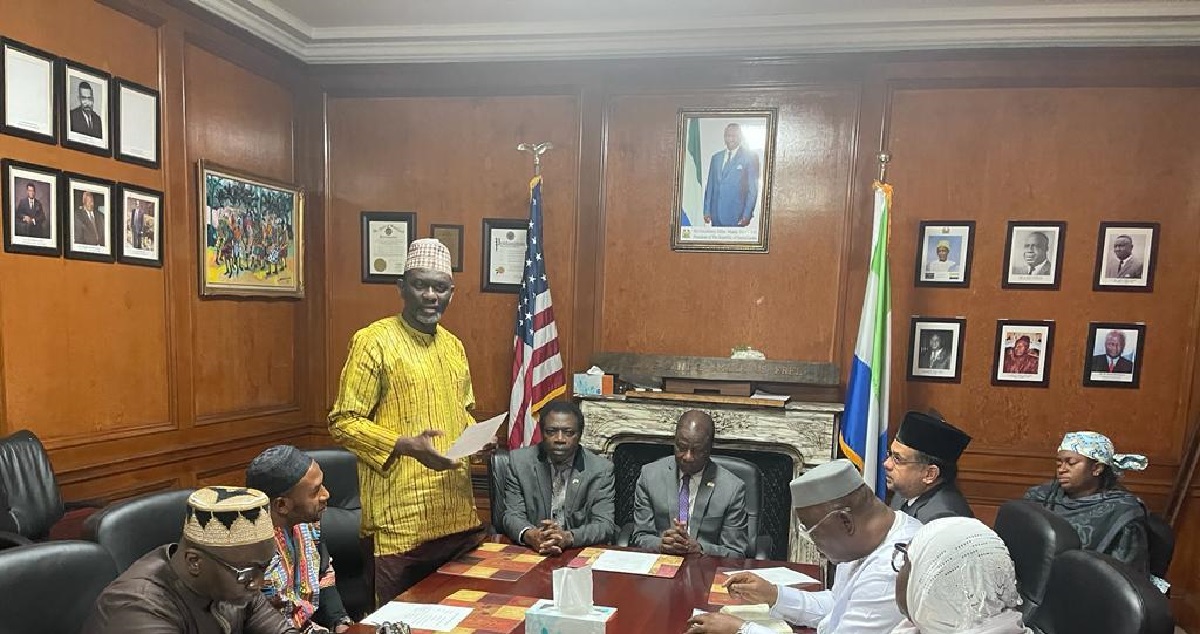
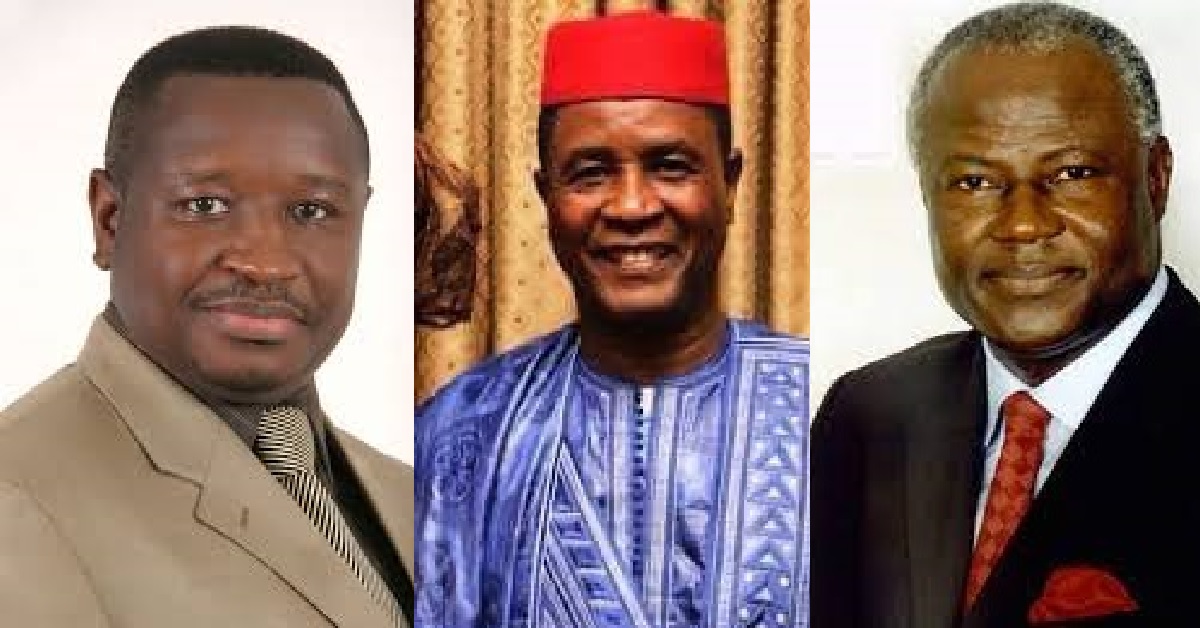
Speaking at the launch ceremony, Permanent Secretary of the Ministry of Communication, Technology and Innovation, Stevenson Kamanda, described digital competence as a key requirement for modern public service delivery.
“Digital competence is no longer a specialised skill reserved for a technical few. It is a baseline expectation for every civil servant, in every ministry, department and agency,” Kamanda said, urging participants to apply their acquired skills in their daily responsibilities.
The programme is designed to address gaps identified in MoCTI’s Digital Skills Market Study Report (2025), which highlighted limited practical digital skills among public sector workers, particularly outside Freetown and other major urban areas.
The training curriculum will cover six priority areas, including basic digital literacy and productivity tools, data management and reporting, digital communication platforms, artificial intelligence and automation, cybersecurity and data protection, as well as digital leadership and innovation.
Permanent Secretary of the Ministry of Public Administration and Political Affairs, Mohamed Kutubu, said the programme reflects the government’s commitment to strengthening public sector efficiency through collaboration and technology.
“Public administration reform and digital transformation are two expressions of the same goal. A capable and effective public service cannot be achieved without a workforce that can use the digital tools now embedded in government operations,” he said.
The Principal of the Public Service Training College, Dr Victor Massaquoi, explained that the programme would focus on practical learning, allowing civil servants to gain hands-on experience with digital tools relevant to their roles.
Meanwhile, Secretary to the Cabinet and Head of the Civil Service, Mr Prince Cole, emphasized the importance of digital transformation in improving government operations.
He said technological advancement has become an essential part of modern governance, adding that civil servants must embrace digital solutions to enhance service delivery, transparency, and accountability.
The Digital Skills Training Programme supports two key pillars of President Julius Maada Bio’s second-term agenda under the Big Five Game Changers — Technology and Infrastructure, and the Transformation of the Public Service architecture as outlined in the Medium-Term National Development Plan (2024–2030).
The government has encouraged civil servants interested in participating in future cohorts to engage their respective ministry, department, or agency human resource focal points for consideration.