

Sierra Leone Government Reopens Yenga Crossing Point, Residents Asked to Return
 Deborah Sorie
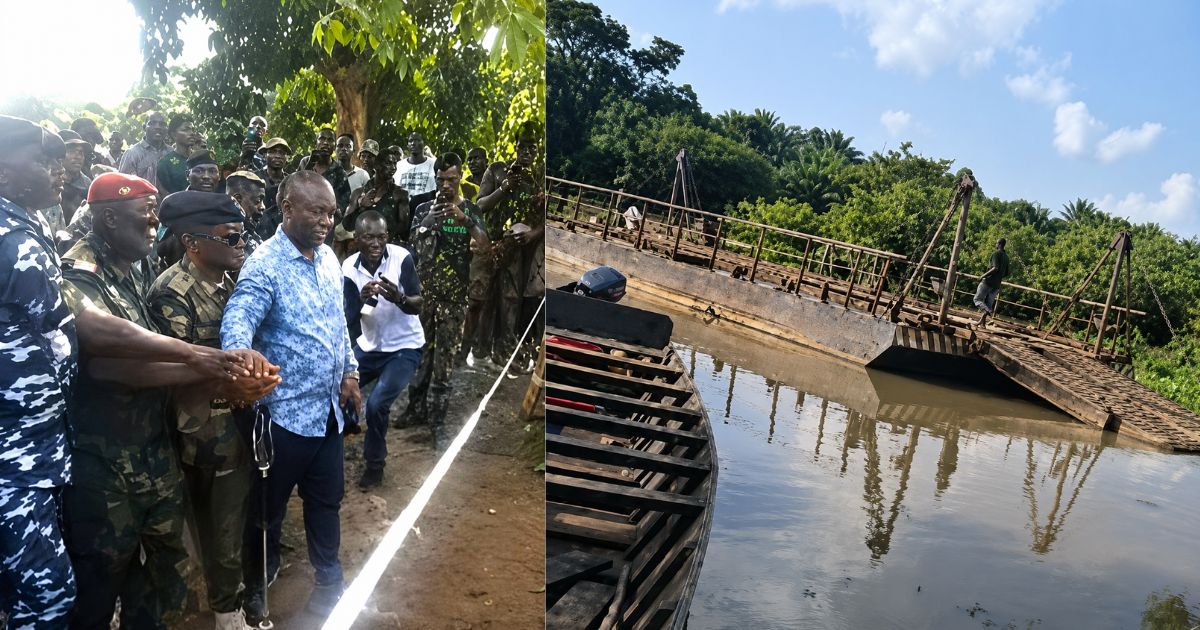
 The government of Sierra Leone has ordered the reopening of the Yenga road and crossing point in Koindu, Kailahun District, following diplomatic engagements between Sierra Leone, Guinea, and Liberia at a tripartite summit in Conakry on 16 March 2026.
The move comes after more than a year of closure, but concerns remain over Guinean military presence in the disputed border village.
President Julius Maada Bio, who serves as Chairman of the ECOWAS Authority of Heads of State and Government, joined Presidents Mamadi Doumbouya of Guinea and Joseph Nyuma Boakai of Liberia in signing a Memorandum of Understanding aimed at de-escalating border tensions. According to the joint communiqué, Guinea announced a progressive easing of its defence posture along its borders with Sierra Leone and Liberia.

The Yenga border area has been a longstanding flashpoint since 2001, when Guinean troops entered the village during Sierra Leone’s civil war to help suppress rebel forces but remained stationed there. Despite a 2002 agreement between the two countries that Yenga would be returned to Sierra Leone, the issue has remained unresolved for over two decades.
The reopening of the road and crossing point has been met with mixed reactions. Dr. Michael F. Kallon, a representative of the Kissi Bendu community, expressed serious concerns over the decision to encourage displaced residents to return while Guinean soldiers remain in control of Yenga.
“Guinean soldiers remain in control of Yenga. This raises fundamental questions about sovereignty and the safety of our citizens,” Dr. Kallon stated. He further noted that many homes belonging to Yenga residents have been damaged, calling the return “premature” without proper assessment, reconstruction, or guarantees of protection.
Former government official Sylvia Olayinka Blyden also expressed distress over the reopening, questioning whether the move signalled Sierra Leone’s abandonment of its claim to Yenga.
The Economic Community of West African States (ECOWAS) has deployed a technical assessment mission to the Mano River Basin to evaluate the situation in the disputed Yenga area. The regional bloc has urged all parties to exercise restraint and respect internationally recognised boundaries.
The tripartite summit established joint technical commissions to address border delimitation, management, and security coordination. The leaders agreed that all border disputes would be resolved through peaceful diplomatic means in line with Article 33 of the United Nations Charter.
President Bio has called for patience and cooperation with government institutions as diplomatic processes continue. The leaders further agreed to strengthen collaboration among defence and security institutions to tackle emerging threats, including joint patrols and intelligence sharing.
The Yenga dispute involves the Kissi Teng Chiefdom in Kailahun District, a region inhabited by the Kissi people. Displaced residents have expressed a profound desire to return to their homeland, with some lamenting their current conditions in Koindu.