

 1 Comment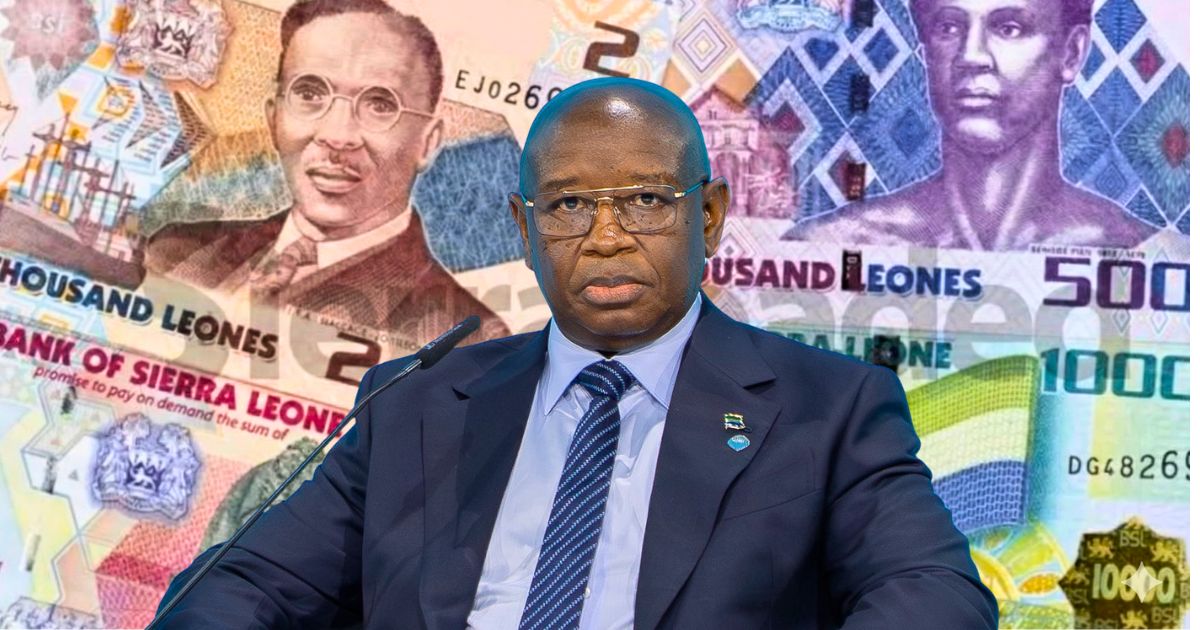
The government of Sierra Leone is set to drastically cut its government foreign exchange (FX) spending to halt the rapid depletion of its international reserves, as part of new austerity measures backed by the International Monetary Fund (IMF).
According to a newly released IMF Country Report made available to Sierraloaded, the nation’s gross international reserves plunged to a critical low of just 1.5 months of import cover by the end of September 2025.
The IMF noted that this alarming shortfall was largely driven by higher-than-projected government FX spending, despite overall efforts to tighten the national budget. The excessive foreign currency expenditures included outlays on imported goods and services, the maintenance of overseas embassies and diplomatic missions, international government travel, and subsidies for electricity support.
To reverse this dangerous drain on the country’s economic buffers, the Sierra Leonean authorities and the IMF have agreed to introduce a strict ceiling on budgetary FX spending. This new ceiling, established as a Quantitative Performance Criterion (QPC), legally binds the government to limit its foreign currency disbursements.
Sierralaoded reports that the austerity plan targets a sharp reduction in FX spending equivalent to 0.3 percentage points of the country’s Gross Domestic Product (GDP). Under the newly published spending caps, total budgetary FX spending is projected to be slashed from an estimated US$153.6 million in 2025 down to US$109.3 million in 2026.
The IMF report warned that the “current levels of FX spending are inconsistent with adequate reserves, and difficult decisions will need to be taken to substantially reduce it”. The report emphasized that the Ministry of Finance must play a critical and active role alongside the Bank of Sierra Leone (BSL) in preventing further reserve depletion.
In addition to the aggressive spending cuts, the central bank is taking direct action to restock the nation’s coffers. To actively rebuild the reserves toward safer levels, the authorities plan to accumulate US$71 million through outright foreign exchange purchases in the domestic market and the issuance of a 3-year domestic FX-linked bond by the end of the year.
Through these combined measures of spending restraint and active accumulation, financial planners project that the country’s reserve coverage will improve to 2.0 months of imports by the end of 2025.


Very adorable.