

 Post a comment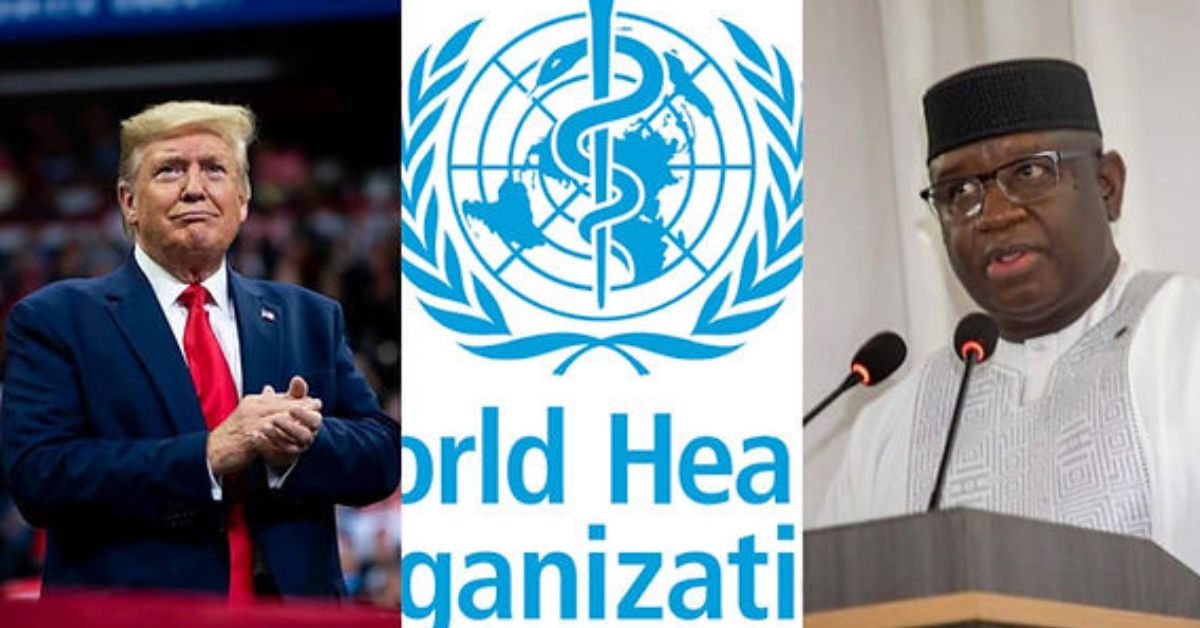
The United States has completed its withdrawal from the World Health Organization (WHO), a decision public health experts warn could have far-reaching implications for healthcare delivery and disease control in low- and middle-income countries, including Sierra Leone.
The withdrawal, confirmed by the Trump administration last week, ends nearly eight decades of U.S. membership in the global health body. U.S. officials cited concerns over WHO’s handling of the COVID-19 pandemic, alongside broader issues of accountability and governance. Historically, the United States has been one of WHO’s largest contributors, providing hundreds of millions of dollars annually to support global disease surveillance, vaccination programmes, emergency response, and technical assistance.
Health authorities in Sierra Leone caution that the move could place additional strain on the country’s already fragile health system. WHO plays a critical role in supporting immunisation programmes for diseases such as measles and polio, as well as coordinating COVID-19 response efforts. The organisation also contributes to combating malaria, tuberculosis, and HIV through technical guidance, coordination, and access to essential medicines.
Beyond funding, experts note that WHO’s value lies in its role as a coordinating platform for global health cooperation. Through training, data sharing, and early warning systems, the organisation helps countries detect and respond to disease outbreaks. Analysts warn that the loss of U.S. financial and technical support could weaken these systems and increase vulnerability to cross-border health threats.
Public health officials further emphasize that the U.S. withdrawal may fragment international cooperation at a time when global health challenges — ranging from pandemics to climate-related health risks — demand coordinated responses. While other donor nations and international partners may attempt to bridge funding gaps, concerns remain that their efforts may not fully offset the scale of U.S. contributions.
In Sierra Leone, the development has renewed discussions about the need to strengthen domestic health capacity. Policymakers and health professionals argue that increased investment in healthcare infrastructure, workforce training, and disease surveillance will be essential to mitigate potential risks. Meanwhile, the government is expected to explore deeper partnerships with other nations, multilateral institutions, and global health agencies to sustain critical services.
As the global health landscape adjusts to the U.S. exit from WHO, the full impact on countries like Sierra Leone remains uncertain. However, experts agree that safeguarding public health will require both sustained international support and stronger national health systems.


