

 Post a comment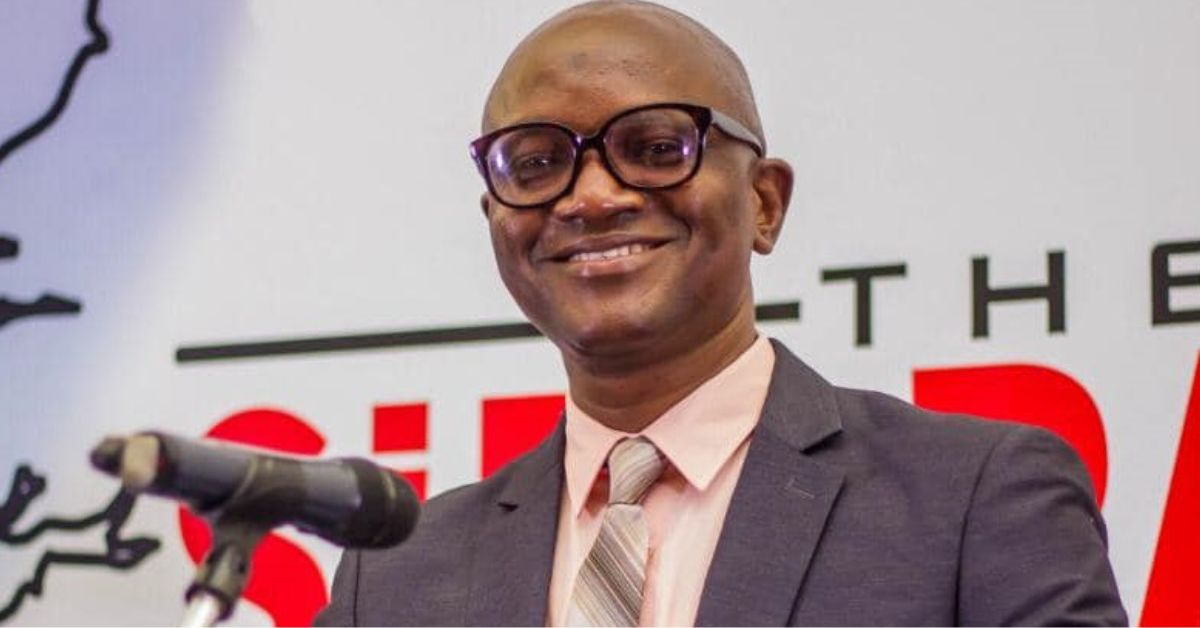
Popular Sierra Leonean journalist Umaru Fofana has pushed back against accusations from opposition politicians and their supporters that he has been “silent” on national issues, describing the claims as misleading and, in some cases, deliberately mischievous.
In a detailed response, Fofana explained that recent changes within the BBC, particularly a major financial restructuring, have significantly reduced coverage of Africa. He noted that several language services were shut down. At the same time, flagship programmes such as Focus on Africa have been scaled back from live broadcasts to pre-recorded podcasts covering only a limited number of topics.
According to him, these structural changes have directly affected the volume and frequency of stories from countries like Sierra Leone reaching international audiences.
Fofana further clarified that, as a freelance journalist, his work is now subject to a rigorous pitching process. Editors determine which stories are commissioned based on relevance, timing, audience appeal, and financial considerations. “Sierra Leone stories must now compete with global events,” he said, citing ongoing conflicts and geopolitical developments around the world.
He emphasised that freelance journalism operates on a “no story, no pay” basis, with no benefits such as paid leave. As a result, he cannot afford to independently finance reporting assignments that are not commissioned. “Why would I willingly ‘stay silent’ when reporting is how I earn my living?” he questioned.
Reflecting on his career, Fofana revealed that he resigned as a staff reporter at the BBC in 2014 following internal disagreements, opting instead for freelance work that allows him to contribute to multiple international outlets. However, this shift has also meant less financial security and fewer guaranteed opportunities for airtime.
He disclosed that, so far this year, he has pitched nearly a dozen story ideas, but only three were approved-underscoring the competitive nature of international journalism.
Addressing suggestions that he should report more frequently on social media, Fofana said such expectations fail to consider the financial realities of modern journalism. He noted that while he was among the pioneers of real-time news reporting on social platforms in Sierra Leone, those efforts were previously supported by major media organizations that covered production costs.
“Are those ordering me around expecting me to spend my own money gathering news without earning a cent?” he asked, describing such expectations as unfair.
Fofana also highlighted his personal responsibilities, including supporting his family and funding a charity that provides education for 22 children and young people.
On the political front, he rejected claims of bias and firmly denied any affiliation with opposition interests. He stated that he would not be intimidated or pressured into promoting any political agenda, particularly referencing accusations linked to the opposition All People’s Congress (APC).
“I am not a politician,” he said, reaffirming his commitment to independent journalism. “So please, allow me to remain the independent journalist I have been for thirty years.”
He concluded with a caution against the spread of misinformation and personal attacks, warning that such actions could have serious consequences in a society where false narratives can easily take hold.


