

Deputy Vice Chancellor Rejects University Committee Report, Calls Findings Baseless

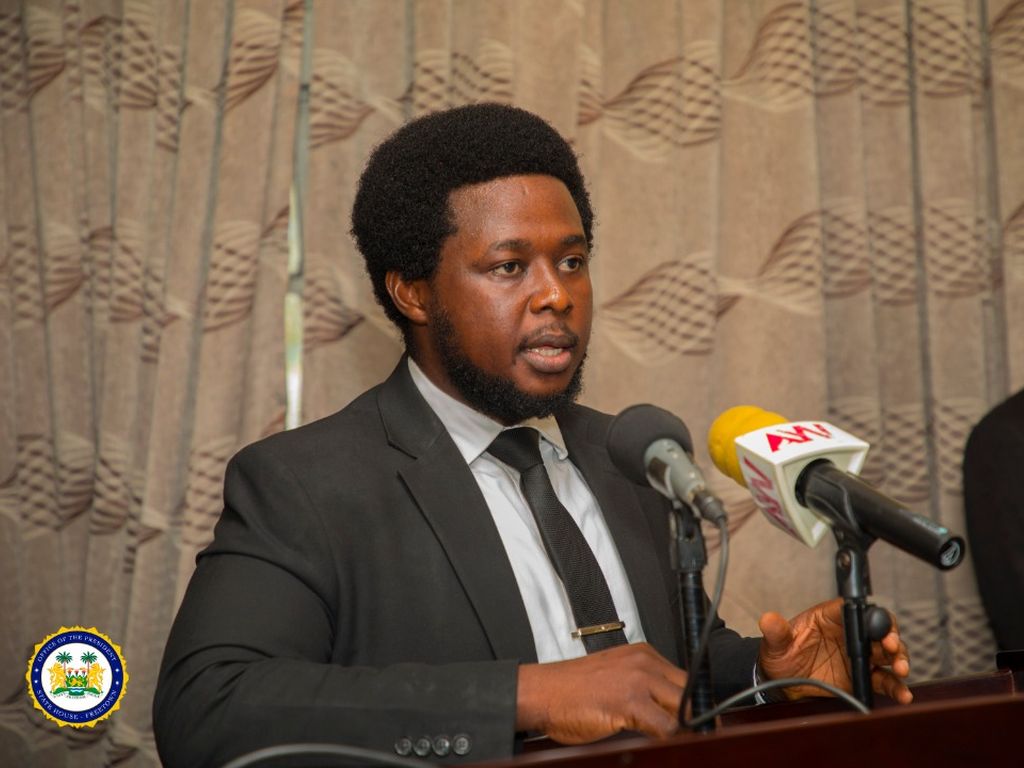
Dr. Allieu Mohamed Bah, Associate Professor and Deputy Vice Chancellor of Njala Campus, has publicly rejected a report by a University Court Committee recommending that his position be declared vacant and opened for applications.
The committee’s report accused Dr. Bah of strained relations with senior colleagues, unfair distribution of financial resources, failure to remit agreed financial returns to the Vice Chancellor and Principal, and a rise in campus insecurity. Dr. Bah has dismissed the allegations as baseless, describing the report as “trumped up, full of lies and incorrect.”
He said he would issue a detailed rebuttal after formally handing over his duties later this week.

The report was compiled by the University Court Committee for the Renewal and Appointment of Deputy Vice Chancellors following an appraisal process and a face-to-face interview with Dr. Bah. The committee is chaired by Hon. Jonathan Dambo and includes Paramount Chief Bai Kompa Bomboli III, Dr. Regina B. Fofanah, Dr. Josephus J. Brima, with Mr. Aiah James Sandy serving as Secretary.

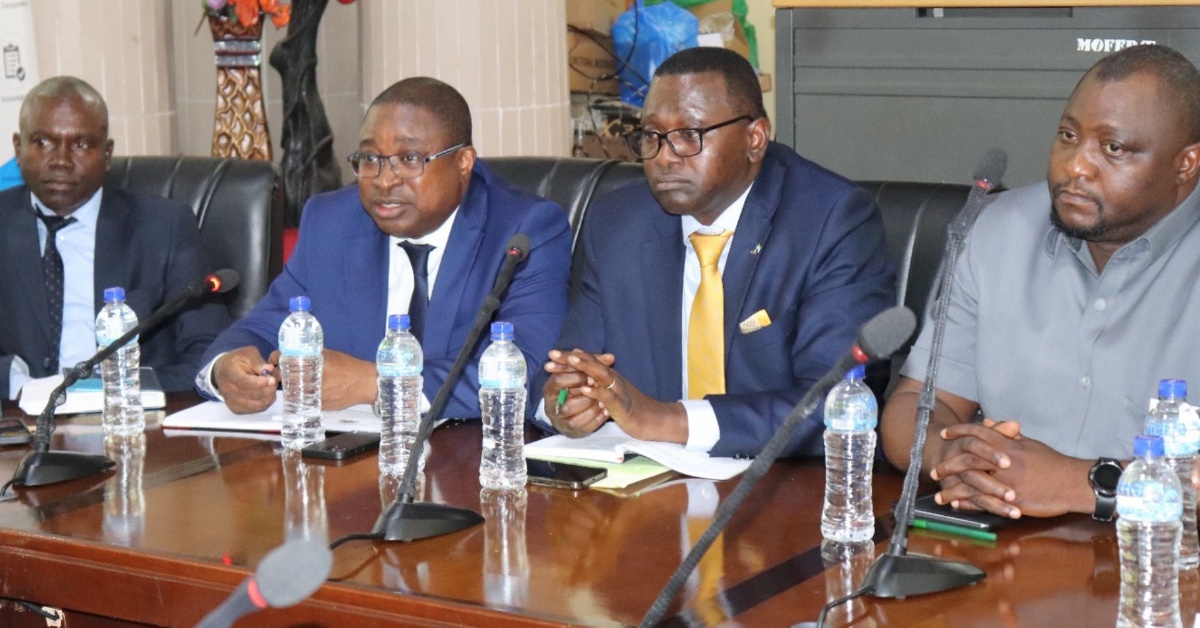
According to the committee, Dr. Bah’s first three-year term was marked by deteriorating working relationships with senior staff, irregularities in the allocation of campus funds, failure to remit agreed financial returns, and growing security concerns. It recommended that the Deputy Vice Chancellor position be declared vacant and applications invited for a replacement.
Responding to the findings, Dr. Bah told Truth Media that financial allocations for the Njala Campus are administered centrally by the Vice Chancellor and Principal, while deans oversee departmental spending. He insisted that campus accounting and disbursement processes are transparent and subject to oversight by multiple officers.
Dr. Bah further argued that his efforts to reform financial systems, including tackling fraudulent Government Grant-in-Aid claims and addressing questionable room allocations, may have unsettled sections of the administration. He suggested that these measures were misinterpreted by some senior officials as disruptive or threatening to established practices.
On the issue of security, Dr. Bah rejected responsibility for any lapses, stating that campus security falls under the broader university administration and operational structures. The committee did not provide detailed public explanations of the specific security concerns cited in its report.
Dr. Bah said he would formally hand over his responsibilities by Friday and pledged to publish a comprehensive response to the committee’s report, supported by documentary evidence and a timeline of reforms undertaken during his tenure.
The dispute has brought renewed attention to governance issues at the university, including clarity over financial control, budget oversight responsibilities, and accountability mechanisms. Observers say the controversy could prompt calls for an independent forensic audit, mediation between senior administrators, or a formal review of the committee’s recommendation under university statutes.
How the university resolves the matter is expected to influence confidence among staff, students, and external stakeholders, particularly at a time when transparency and institutional stability remain critical.