


 Post a comment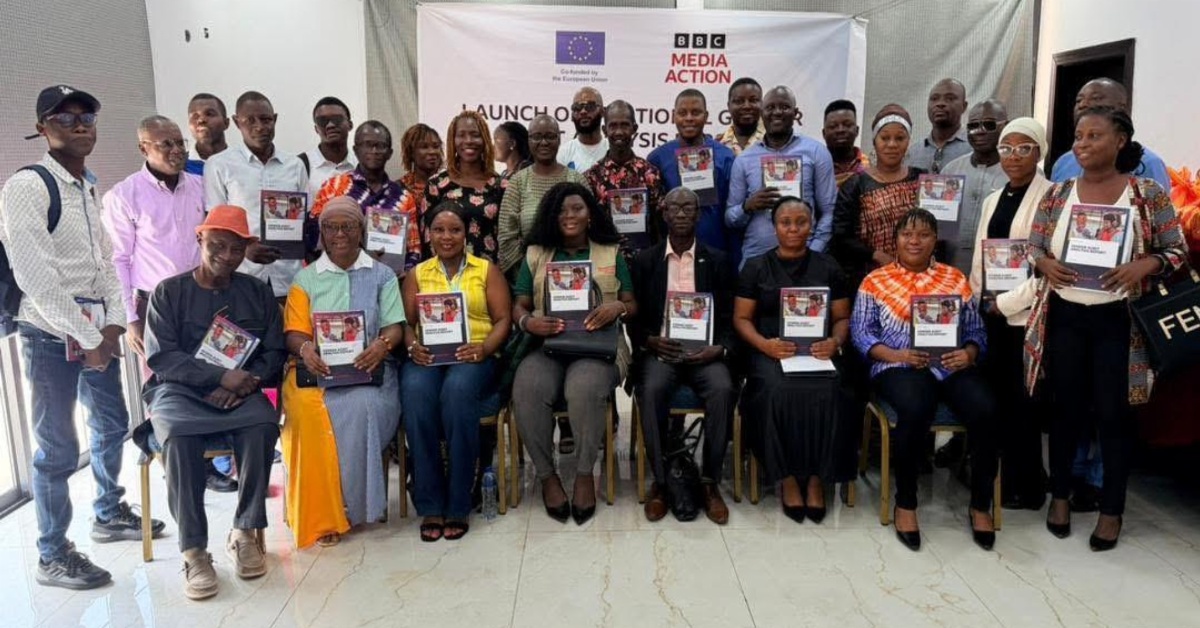
The Secretary General of the Sierra Leone Association of Journalists (SLAJ), Edward Fara Marah, has welcomed the launch of a Gender Audit Report aimed at addressing gender disparities within Sierra Leone’s media sector.
Marah made the statement during the launch of the report by BBC Media Action in collaboration with the Media Reform Coordinating Group on Thursday, March 12, 2026, at Country Lodge in Freetown.
Speaking on behalf of SLAJ, Marah commended BBC Media Action and the Media Reform Coordinating Group for their commitment to promoting gender equality in the country’s media landscape. He described the report as an important milestone in efforts to ensure that women’s voices are fairly represented and valued within newsrooms and across media platforms.

“This report is not just a document. It is a mirror,” Marah said, noting that it reflects both the progress made and the challenges that remain in ensuring equitable participation of women in journalism and media leadership.
He emphasized that the findings highlight persistent structural barriers, cultural biases, and institutional practices that continue to limit women’s participation and advancement in the media sector.
According to Marah, journalists play a critical role in shaping public discourse and influencing national narratives. He warned that if the profession fails to embody inclusivity and equity, it risks reinforcing the same inequalities that journalists are expected to expose and challenge.
The SLAJ Secretary General said the association welcomes the Gender Audit Report as both a reform tool and a call to action. He pledged that SLAJ will collaborate with partners to implement the report’s recommendations through initiatives such as training programs, policy advocacy, mentorship opportunities, and institutional reforms.
“Our goal is clear: to create a media environment where women and men have equal opportunities to contribute, lead, and thrive,” he stated.
Marah urged stakeholders to see the launch of the report not merely as the presentation of research findings but as the beginning of a renewed commitment to building a more inclusive media sector in Sierra Leone.
He concluded by calling for collective action to ensure that the media reflects the diversity, resilience, and aspirations of the country.


