Post a comment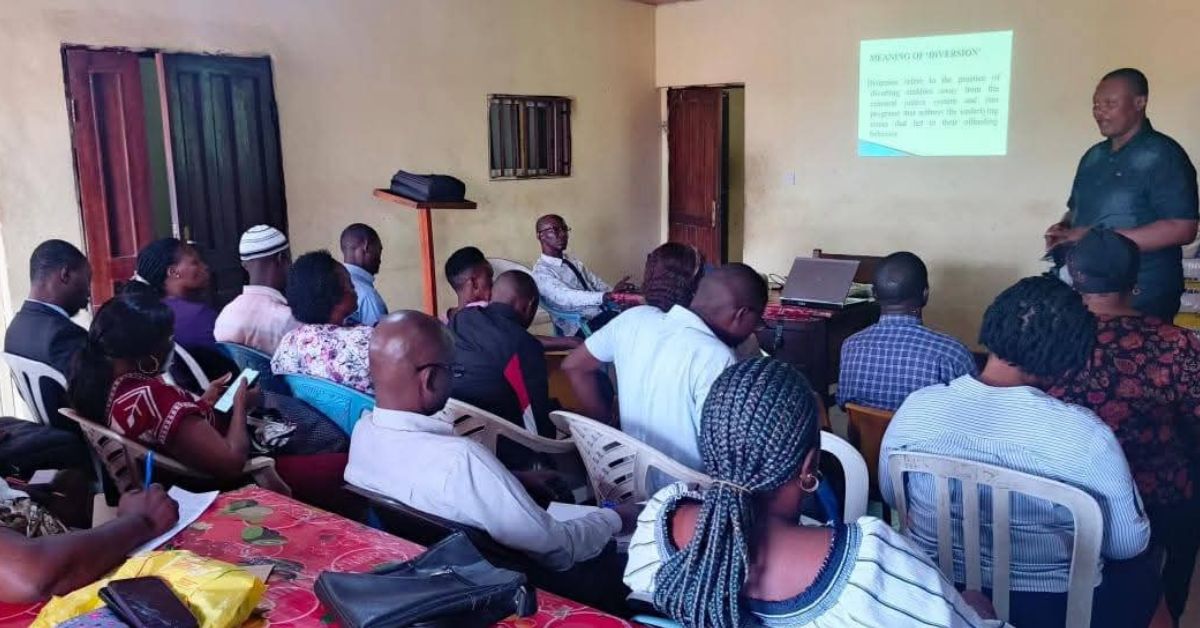
The Family Support Unit (FSU) of the Sierra Leone Police has conducted a one-day specialised training on diversion and referral pathways for frontline supervisors in the Freetown West Region, as part of efforts to strengthen child justice practices.
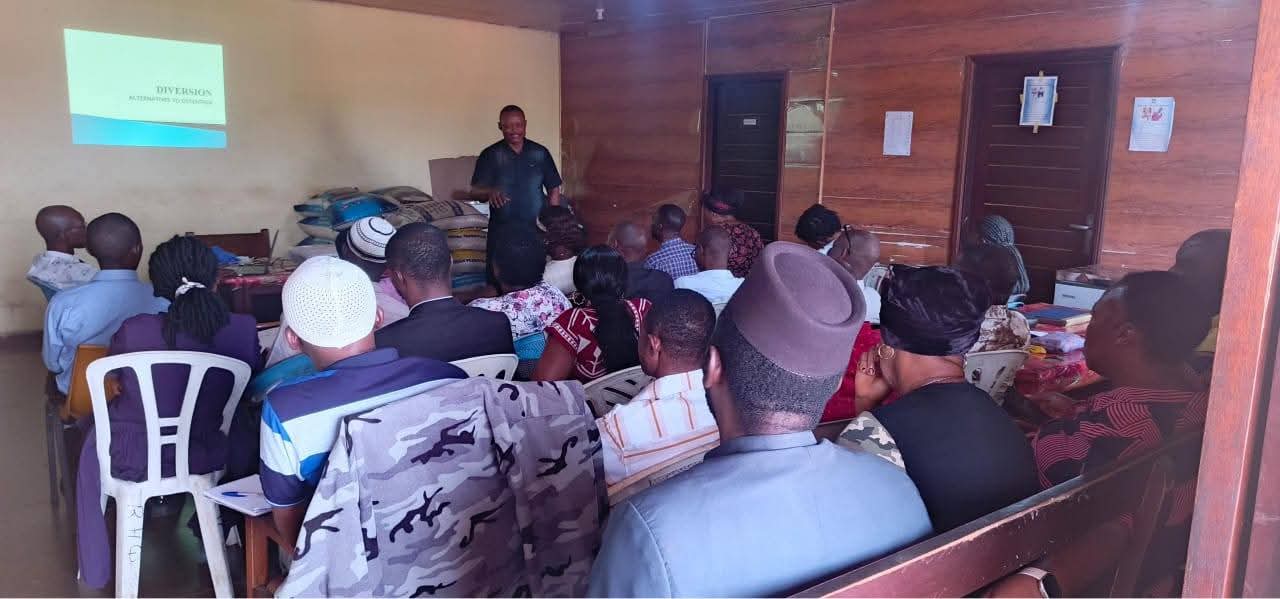
The training, held at the Conference Hall of the Regional Headquarters in Lumley, was facilitated by a team from FSU Headquarters led by the Operations Officer, D/ASP Abu Bakar Kanu. It brought together 25 participants, including line managers, JPO Crime, and NCO Crime officers.

Welcoming the facilitators, the Regional Police Commander for Freetown West, AIG Sylvester M.N. Koroma, expressed appreciation for the initiative, noting its importance in enhancing the capacity of officers handling child-related cases.
The training focused on equipping frontline supervisors with practical knowledge of diversion procedures, referral mechanisms, and support services aimed at reducing child detention and promoting rehabilitation. It also emphasised proper documentation and referral formats required in handling cases involving children.
Sessions covered key areas such as the meaning and objectives of diversion, relevant laws and provisions, diversion programmes, rehabilitation measures, pre-trial investigations, detention and support services, as well as appropriate techniques for interviewing children in conflict with the law.
The initiative aligns with the provisions of the Child Rights Act 2025, particularly its emphasis on alternatives to detention for child offenders and the promotion of restorative justice approaches.
Participants noted improved understanding of diversion within the child justice system and enhanced practical skills in applying diversion measures effectively. The training is expected to strengthen the FSU’s capacity to support diversion processes and improve outcomes for child offenders.
In his closing remarks, AIG Koroma underscored the need for regular capacity-building programmes to ensure that FSU frontline supervisors remain well-versed in relevant laws and modern investigative techniques.