CHRDI Engages Religious, Community Leaders on Electoral Justice and Social Accountability in Eastern Freetown
 Aaron Parker
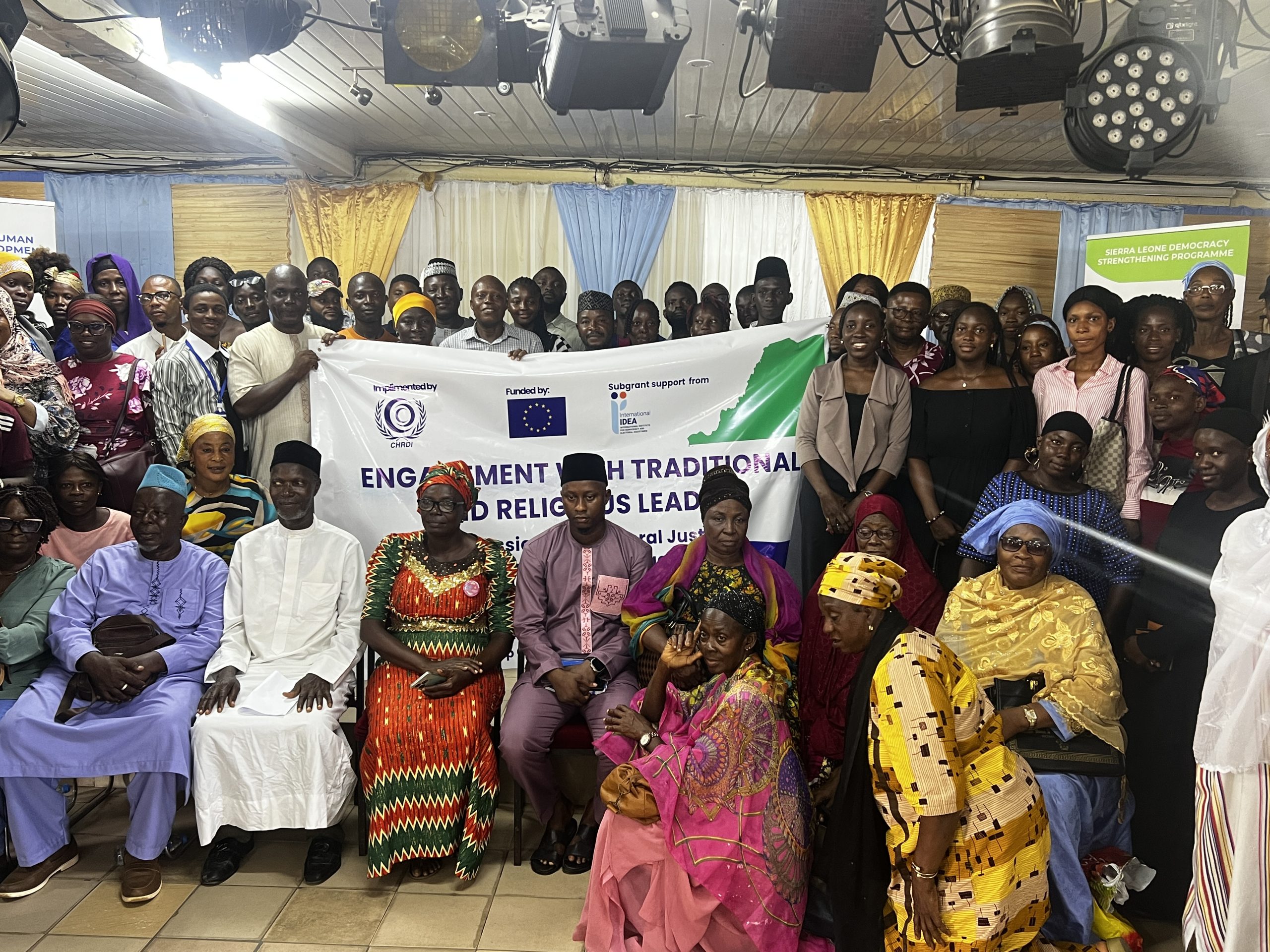
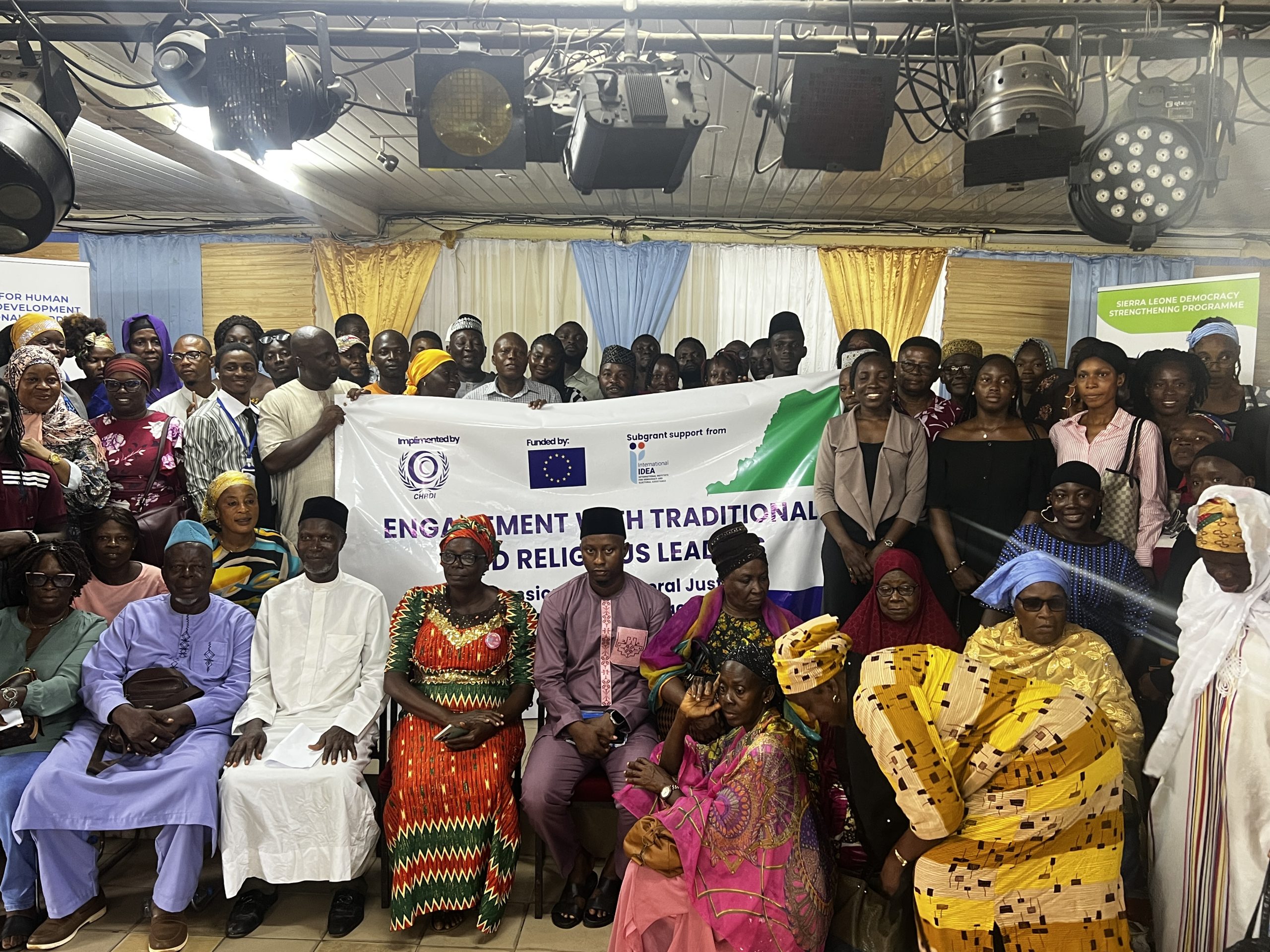
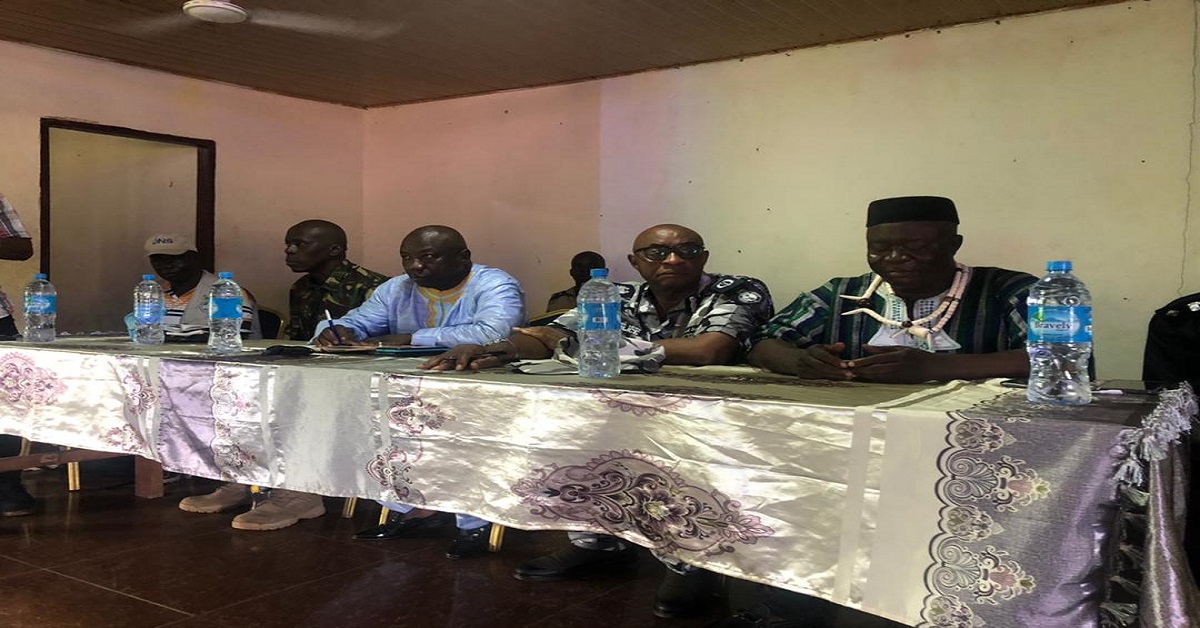
 On Tuesday, April 14, 2026, the Campaign for Human Rights and Development International (CHRDI) convened a high-level engagement with religious and Community leaders in the eastern part of Freetown, focusing on social accountability, electoral justice, and strategies to strengthen peace and cohesion within communities.
The meeting, described by participants as candid and constructive, created space for open dialogue and a shared commitment to promoting local solutions to governance and democratic challenges. The initiative forms part of a broader programme supported by the European Union, with additional funding through a subgrant from International IDEA.
Discussions centred on the critical role of religious and traditional leaders in fostering peaceful participation in electoral processes and promoting accountability at the grassroots level. Participants examined how their influence within communities could be harnessed to encourage civic responsibility, non-violence, and respect for democratic principles

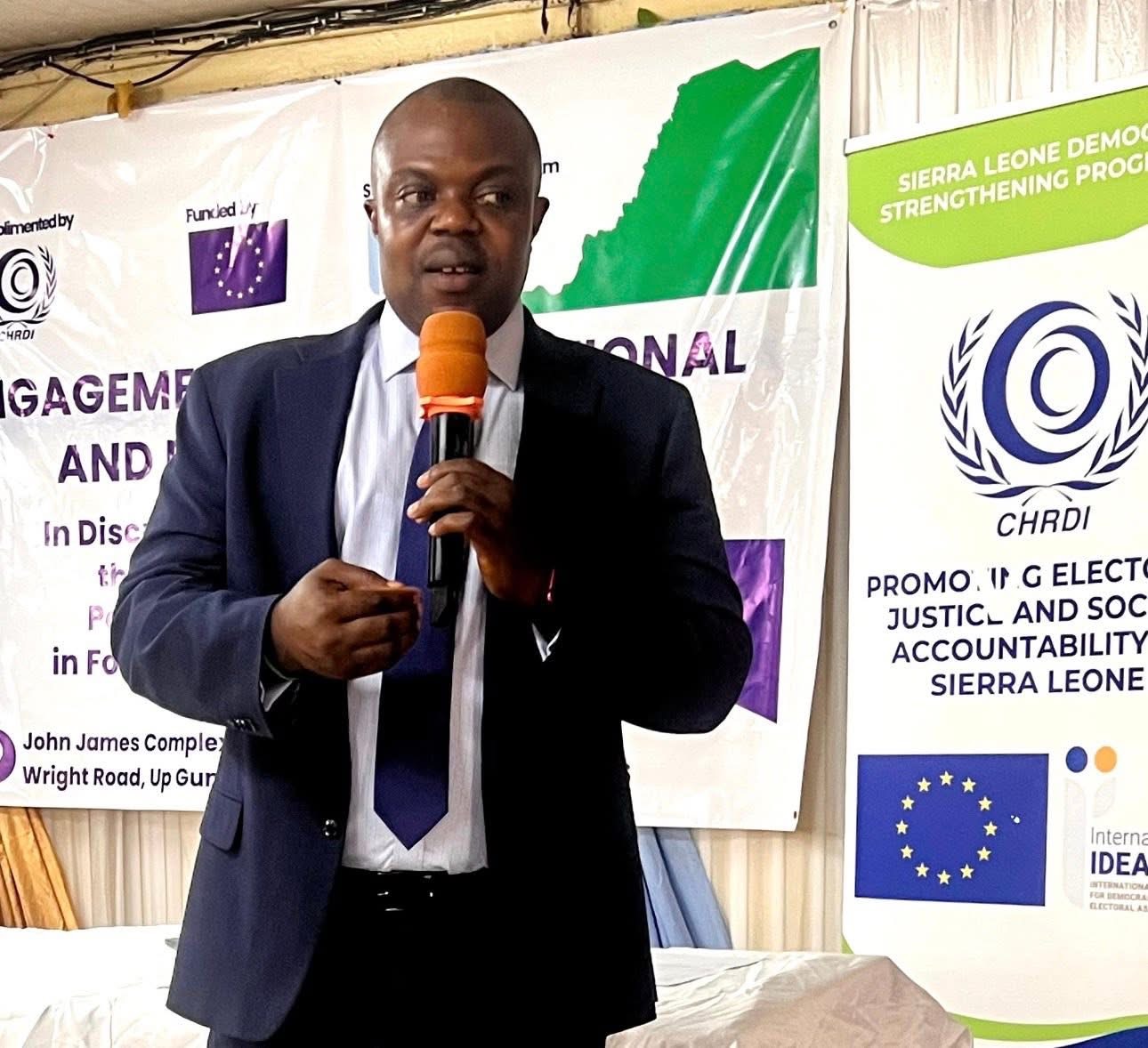

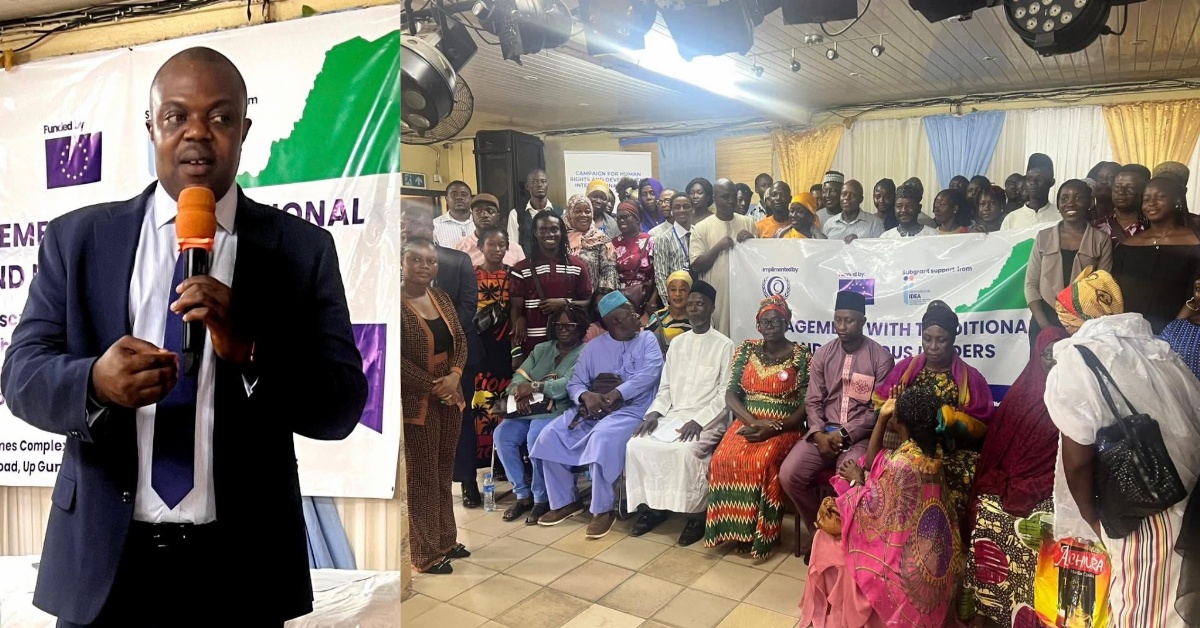
Speaking at the engagement, CHRDI Chief Executive Officer, Abdul Fatoma, underscored the importance of the initiative, noting that the organisation remains committed to promoting accountability, protecting human rights, and upholding the rule of law.
He emphasised that religious and traditional leaders are uniquely positioned to shape public opinion and mobilise communities towards positive national development.
“Religious and traditional leaders are trusted voices within their communities. They have the ability to speak truthfully to their people and inspire meaningful change. Their platforms transcend tribal and regional divides, making them indispensable partners in promoting unity and national cohesion,” Fatoma stated.
He urged the leaders to uphold integrity and remain true to their conscience in the discharge of their duties, cautioning against actions that could undermine their credibility.
While acknowledging that religious leaders have the right to engage in political discourse, Fatoma warned against partisan involvement that could compromise their moral authority.
He particularly cautioned against the acceptance of financial inducements from politicians to campaign within places of worship, noting that such actions erode public trust and diminish the sanctity of religious institutions.
“If religious leaders maintain their dignity and uphold ethical standards, there would be less need for external interventions, such as the involvement of international moral guarantors, in resolving internal disputes,” he added.
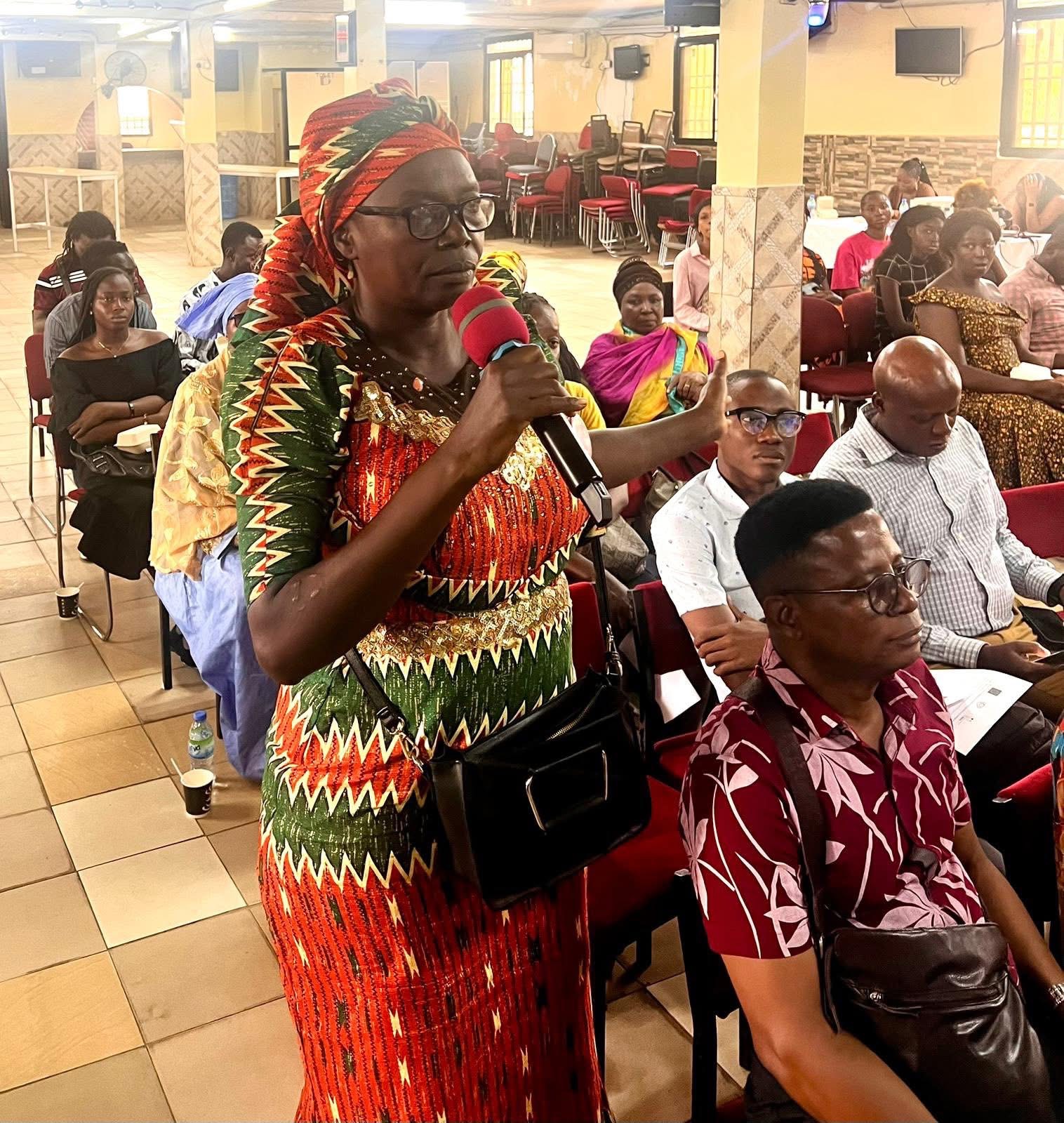
Fatoma also called on the government to expand its engagement with religious leaders beyond ceremonial roles, such as offering opening prayers at official functions, to include meaningful participation in key governance discussions.
“Religious leaders command significant respect and influence. Their insights and guidance can contribute greatly to addressing national challenges and strengthening democratic governance,” he said.
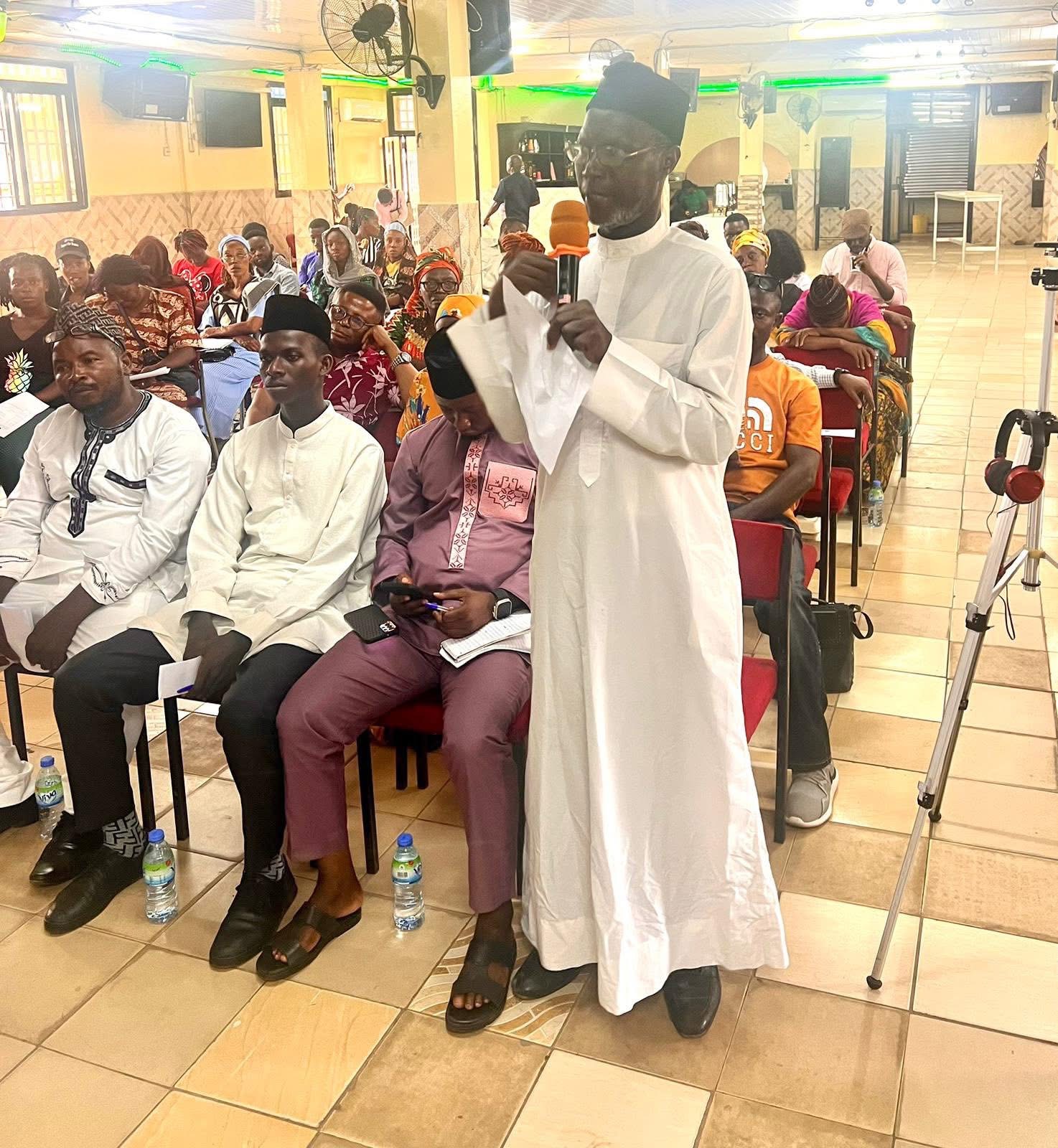
Several participants echoed similar sentiments, stressing the need for integrity and neutrality in their roles. A Chief Imam, who spoke during the session, urged his colleagues to avoid aligning with political interests, warning that such actions could undermine their credibility and weaken public trust.
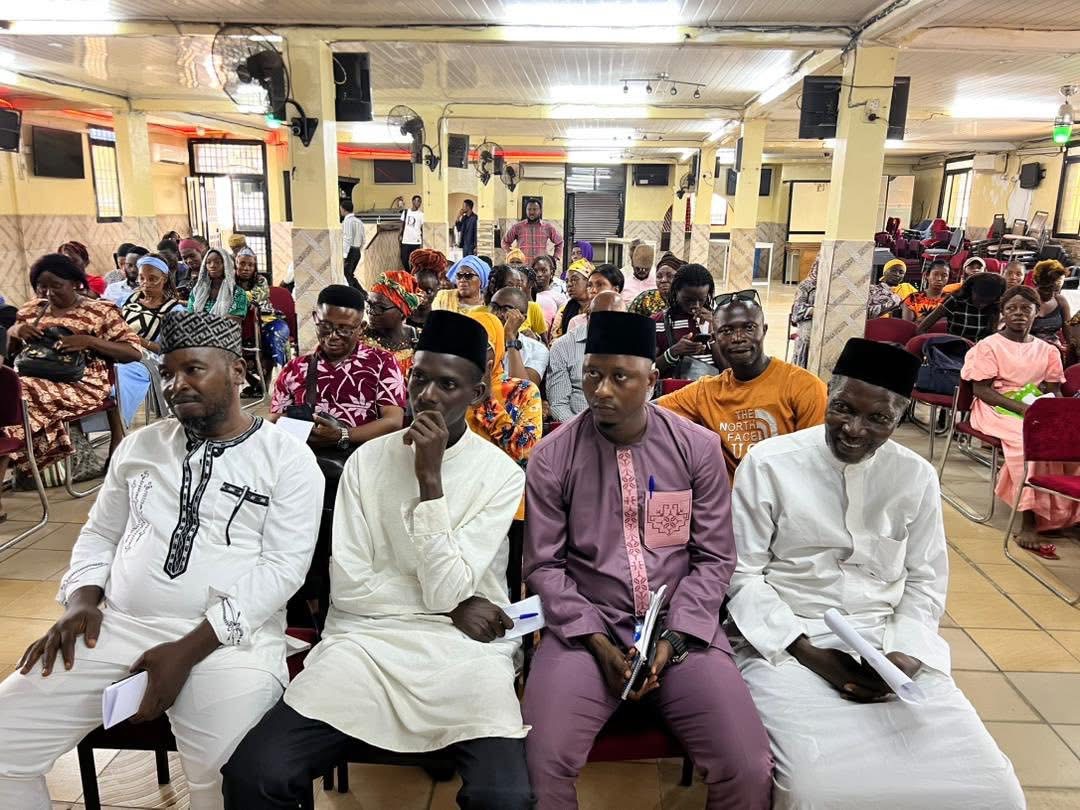
Other speakers highlighted the importance of continuous civic education within religious gatherings, encouraging leaders to use their platforms to promote peace, tolerance, and informed participation in electoral processes. They also called for sustained collaboration between civil society organisations, government institutions, and community leaders to address emerging social and political tensions.
The engagement concluded with a renewed commitment from participants to champion peace, uphold accountability, and serve as impartial advocates for unity within their communities. Stakeholders further pledged to strengthen partnerships aimed at deepening democratic values and ensuring that electoral processes are conducted in a transparent, inclusive, and peaceful manner.
CHRDI reaffirmed its dedication to working closely with community stakeholders to build resilient societies where justice, accountability, and respect for human rights remain at the forefront of national development.