Post a comment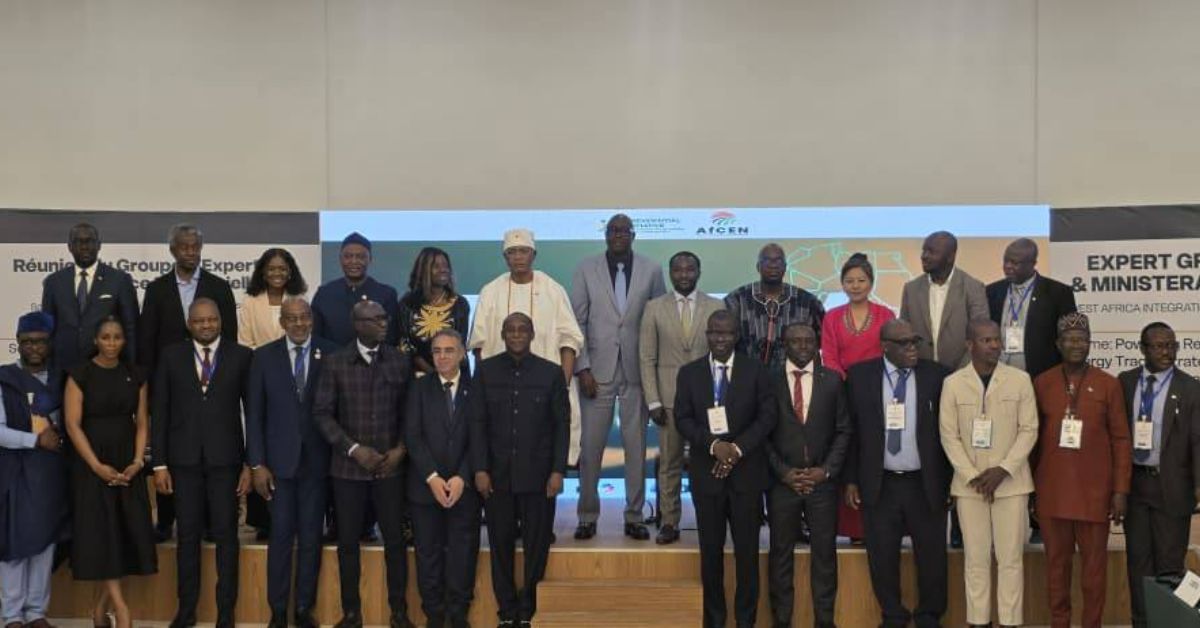
Sierra Leone’s Minister of Agriculture and Food Security, Henry Musa Kpaka, has led high-level regional discussions calling for urgent reforms to unlock agribusiness potential across West Africa, as preparations intensify for the 2026 West Africa Integration and Investment Summit (WAIIS).
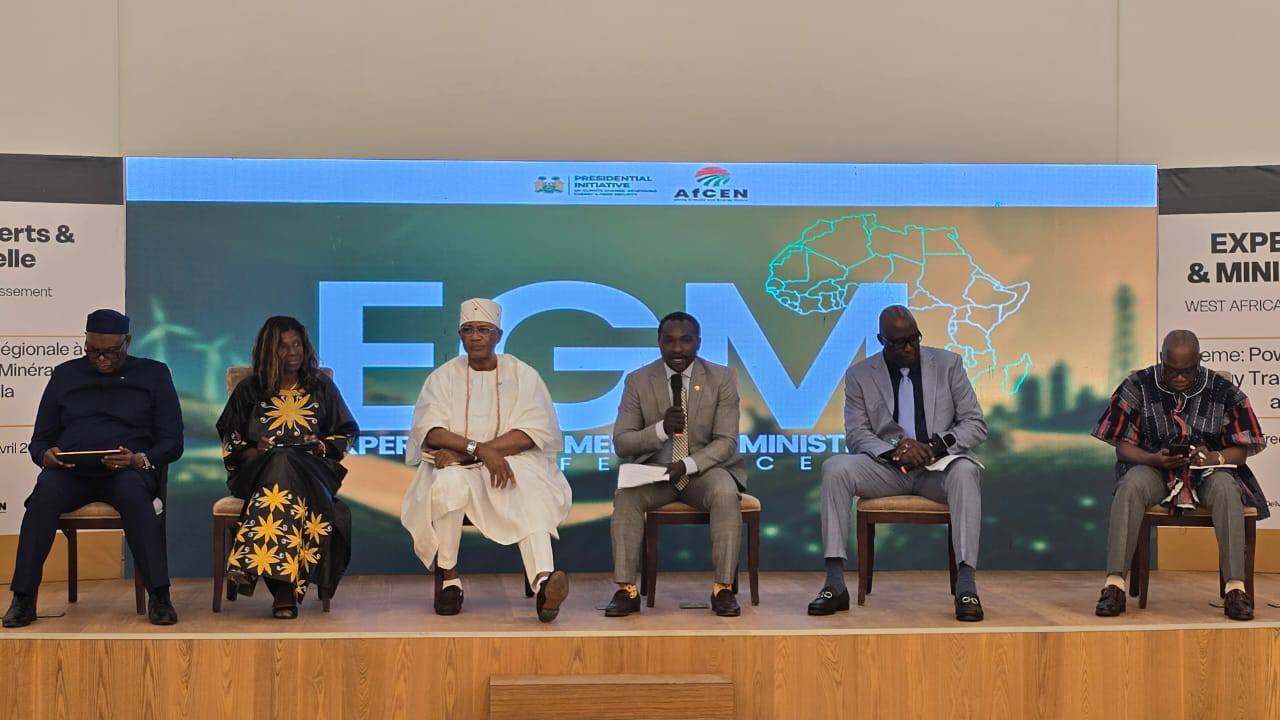
The two-day Expert Group Meeting and Ministerial Conference, held at the Bintumani Conference Centre from April 29 to 30, emphasised the need to translate policy discussions into concrete, bankable opportunities capable of attracting regional and international investors.
Organised by the Presidential Initiative for Climate Change, Renewable Energy and Food Security in collaboration with key government institutions, the meeting brought together ministers, private sector actors, development partners, and technical specialists to identify practical pathways for agribusiness transformation.

A central outcome of the discussions was the urgent need to move beyond dialogue and develop structured, investment-ready projects across the agricultural value chain, from production to processing and distribution.
Dr Kpaka chaired the ministerial roundtable, leading deliberations focused on unlocking financing and positioning West Africa as a competitive agribusiness investment destination.
Participants highlighted persistent bottlenecks, including weak agro-processing capacity, poor storage systems, and inefficiencies in cross-border trade, which continue to limit the region’s agricultural potential. Addressing these gaps, they noted, will be critical to attracting large-scale investment.
The meeting also stressed the importance of harmonising regional standards and strengthening logistics corridors to support the seamless movement of agricultural goods across borders.
Outcomes from the meeting are expected to feed directly into the WAIIS summit, which will be chaired by President Julius Maada Bio in his capacity as Chair of the ECOWAS Authority of Heads of State and Government. A proposed Freetown Communiqué is also expected to capture key recommendations and shared priorities.
Stakeholders further aligned discussions with Sierra Leone’s Feed Salone initiative, highlighting its role as a model for boosting domestic production, reducing food imports, and attracting private sector investment.
With preparations for the November summit underway, the Freetown meeting has set a clear tone: West Africa’s agribusiness future will depend not only on policy ambition, but on the region’s ability to deliver viable, investment-ready solutions at scale.