

Labour Congress Warns Employers Ignoring New Minimum Wage
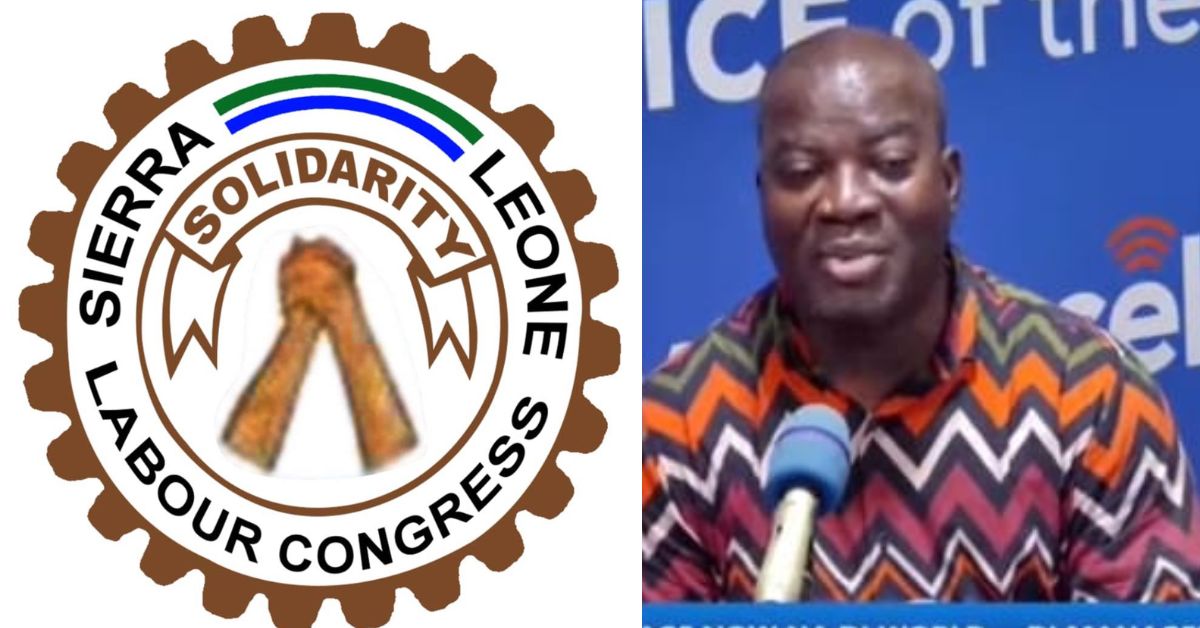
The Sierra Leone Labour Congress has warned that many employers nationwide are failing to implement the newly approved minimum wage of Le1,200, which took effect on 1 April 2026, with a significant number of workers reportedly still receiving the previous minimum of Le800 or below.
Speaking on the Good Morning Radio Democracy programme, Edward Kamara, Deputy Secretary General of the Sierra Leone Labour Congress, said the union has documented widespread non-compliance and is calling for urgent government intervention to enforce the revised wage and protect low-income workers from further financial strain.
Kamara told presenters that instead of applying the new Le1,200 minimum wage, many employers continue to pay Le800, undermining the intent of the wage increase. He also raised concern over continued tax deductions from basic salaries, despite ongoing advocacy for tax relief to ease the burden on low-paid workers.

“Many employers are still paying Le800 instead of the new Le1,200,” Kamara said, stressing the need for stronger enforcement measures.

Kamara highlighted that the 15 percent GST applied to the new minimum wage has left employees worried that the net benefit of the increase is being eroded, and urged the government to revisit tax thresholds so the wage rise translates into real gains for workers.
The Labour Congress official reminded employers that, depending on position, workers are entitled to transportation, medical, rent and other allowances, and urged employees experiencing problems with allowances to report them to the union for prompt action.
Kamara noted past precedents in which tax thresholds were adjusted when the minimum wage increased, citing earlier rises from Le500 to Le600, and said the Labour Congress will continue to press the government to align tax policy with the new Le1,200 wage.
The Labour Congress is urging both employers and government agencies to take immediate steps to ensure compliance with the new wage policy, address taxation concerns, and protect workers’ welfare.
Without decisive enforcement and tax relief measures, Kamara warned, the intended benefits of the wage increase risk being undermined by continued underpayment and deductions.
I want to know if it is right to take allowance and add it to the minimum wage and call it increment
How do we contact you