


 2 Comments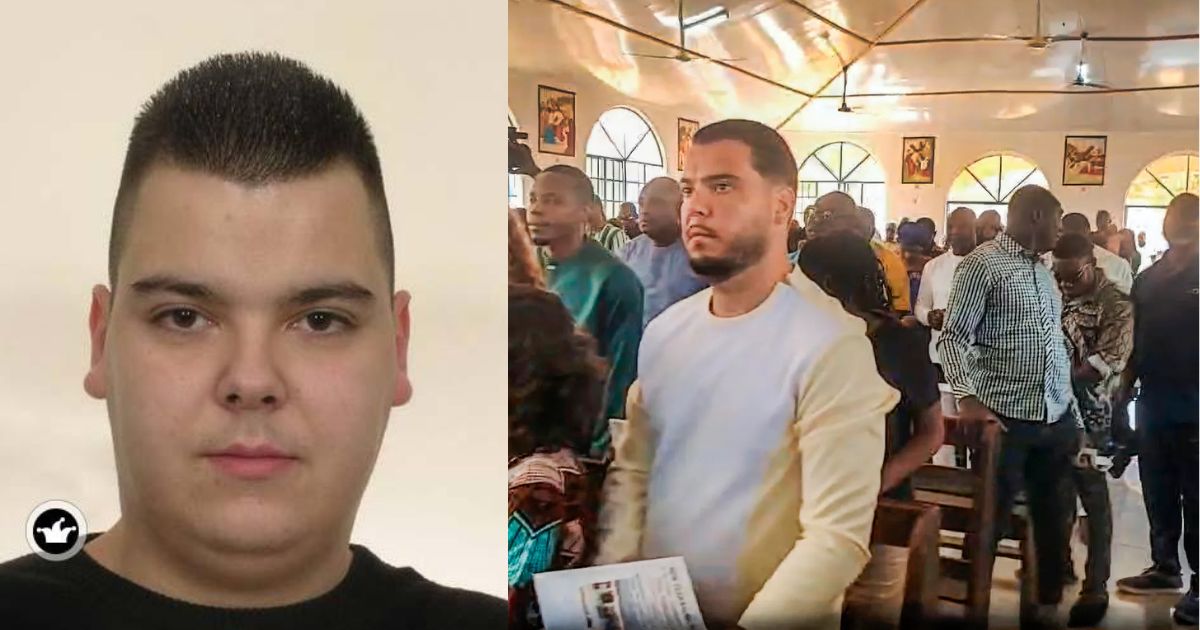
Sierra Leone’s access to €325 million in European Union (EU) development aid is under threat as the Dutch government escalates its efforts to force the extradition of convicted drug kingpin Jos Leijdekkers, also known as “Bolle Jos.”
The Netherlands has formally called on the European Union to suspend its €352 million development aid package to Sierra Leone, escalating a diplomatic standoff over the issue.
Dutch Justice Minister David van Weel announced the pressure campaign on Sunday during the television program Buitenhof, stating that diplomatic efforts to secure Leijdekkers’ extradition have completely stalled after six months of unfulfilled promises from Freetown .

“It is, of course, bizarre that we facilitate or support a country that simultaneously offers a safe haven to one of the biggest drug criminals known worldwide,” Van Weel said.
The European Commission has allocated €352 million in grant funding to Sierra Leone for the 2021–2027 period, supporting critical sectors such as infrastructure, agriculture, health, education, and governance reforms. The Netherlands provides almost no direct bilateral aid to the country, making EU consensus essential for any funding suspension.
According to Minister van Weel, arresting Leijdekkers is a top priority for The Hague. He emphasized that the drug lord’s estimated monthly income—hundreds of millions of euros—reportedly exceeds Sierra Leone’s national revenue, warning that such criminal wealth inevitably corrupts state institutions.
Leijdekkers, originally from Breda, has been sentenced in absentia to a combined total of approximately 80 years in prison by Dutch and Belgian courts for drug trafficking and related crimes. In 2024, a Dutch court also ordered him to pay €96 million to the state in the country’s largest-ever proceeds-of-crime confiscation.
The diplomatic crisis follows the record-breaking cocaine seizure in early May 2026, when Spanish authorities intercepted a vessel off the Canary Islands carrying between 30,000 and 45,000 kilograms of cocaine. The ship had departed from Freetown, and multiple Dutch nationals were among those arrested.
Minister van Weel stated bluntly: “If you look at the amount of drugs that came off that ship, it cannot be true that cooperation with this operation was not provided across all levels”.
The situation is further complicated by multiple reports that Leijdekkers is in a romantic relationship with a daughter of President Julius Maada Bio. This alleged family connection is widely seen as a significant obstacle to any extradition proceedings.
Sierra Leone’s main opposition leader, Abdulai Kargbo of the All People’s Congress (APC) party, has voiced profound concern over the government’s handling of the matter. In an open letter to President Bio, Kargbo warned that “alarming and repeated international reports” linking Sierra Leone to international narcotics trafficking are strengthening suspicions “that criminal networks may be operating with institutional protection or political influence”.
Kargbo noted that a heavily armed vessel allegedly connected to international organized crime was able to depart Sierra Leonean territory undetected, creating serious fears about the integrity of the country’s ports and borders.
The government of Sierra Leone has stated that they are treating the case “with utmost seriousness” and confirmed that investigations are ongoing regarding the circumstances surrounding the cocaine seizure. However, officials have reportedly avoided providing detailed responses to press inquiries, with the head of the National Drug Control Unit instead focusing on the domestic crisis of synthetic drug use.
According to World Bank figures, Sierra Leone’s gross national income stands at approximately €6.4 billion annually, underscoring Van Weel’s claim that Leijdekkers’ reported monthly earnings could destabilize the national economy
Shame shame on you all, a bount of confused politians in that beautiful and a great nation, just destroying the country and it people images outside there. Though bolle jos is supporting the president and his family plus those knew about his dirty games, let him provide the €352 millions for the country and it people interests. Let’s see dae oo whose interest you all put first, Your life, your country, and the your people or bolle jos. Think and grow rich with the citizens. You all can’t get away with this mess so long Nederlands have spotted it in their mirror. Bolle jos and Sierra Leone officials movements will be minimizing around the globe think well, don’t try to play smart while you are not clever enough. Who the cap fit let them wear it
€352 million? That’s pittance compared to cocaine money. If these bozos could refuse the release of, something as simple as, the 2023 Election results in order to receive the USD 480 million MCC grant, I am not sure they are going to budge on the extradition of “Omar.” We almost lost the MCC grant. Instead of releasing the full 2023 Election results, the bozos opted to take the tenuous route of signing up to an “Agreement of National Unity.”