

Newly Rehabilitated Maternity Ward Commissioned at Moyamba Government Hospital
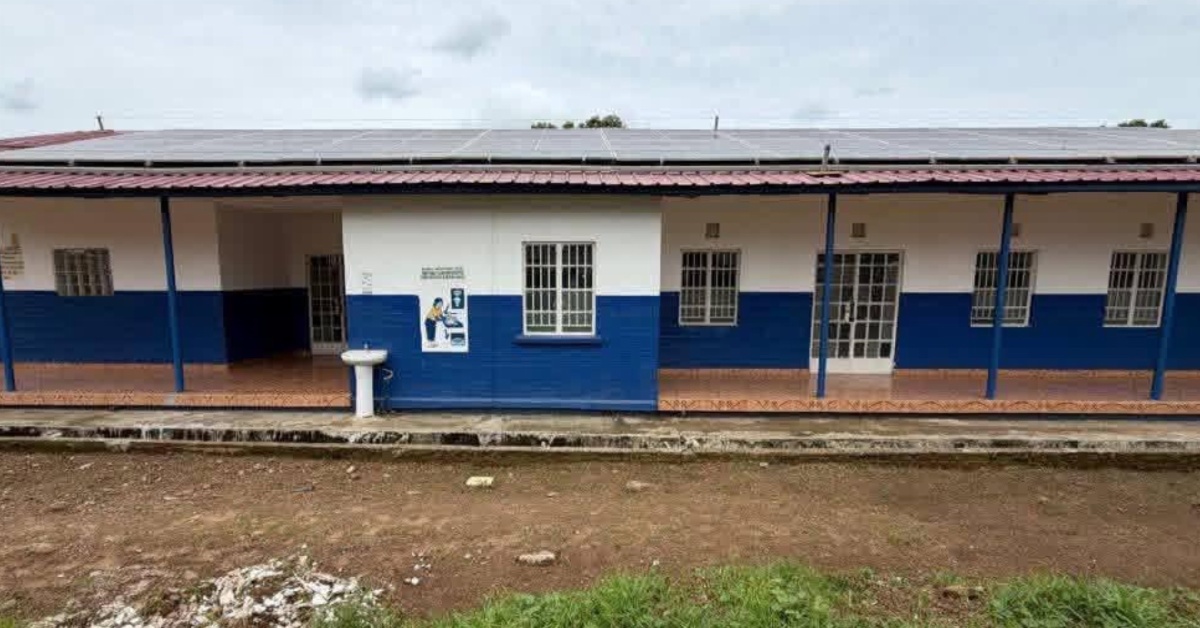
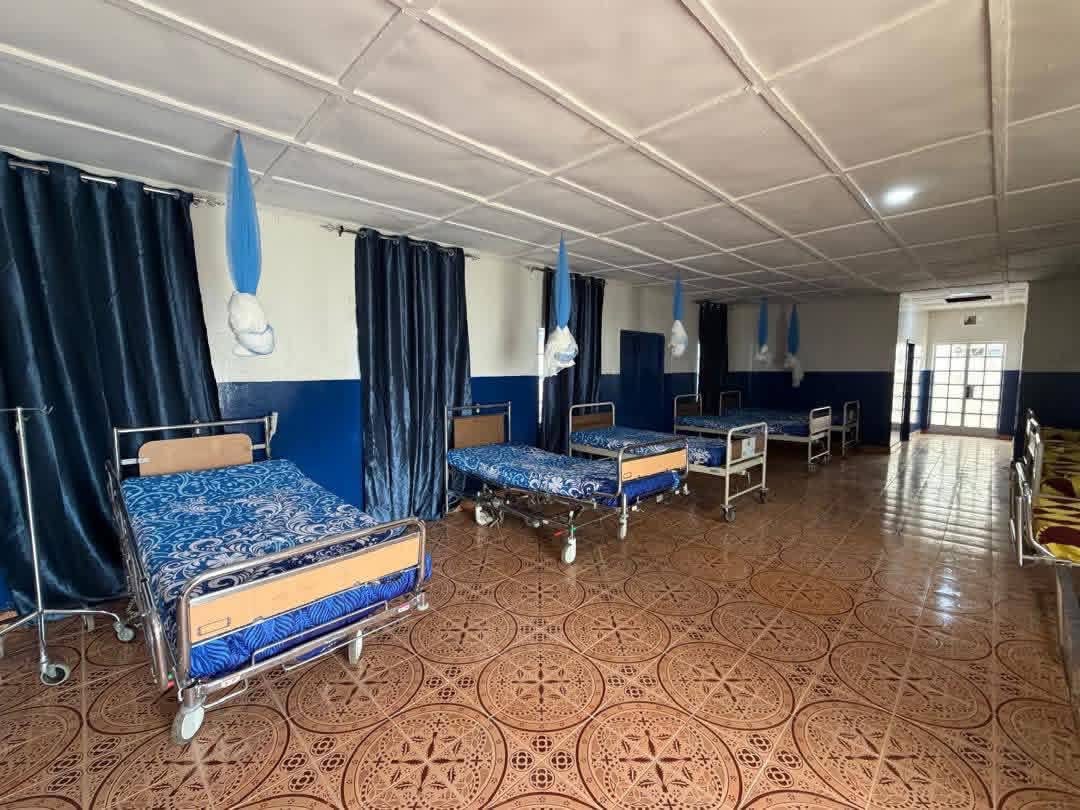
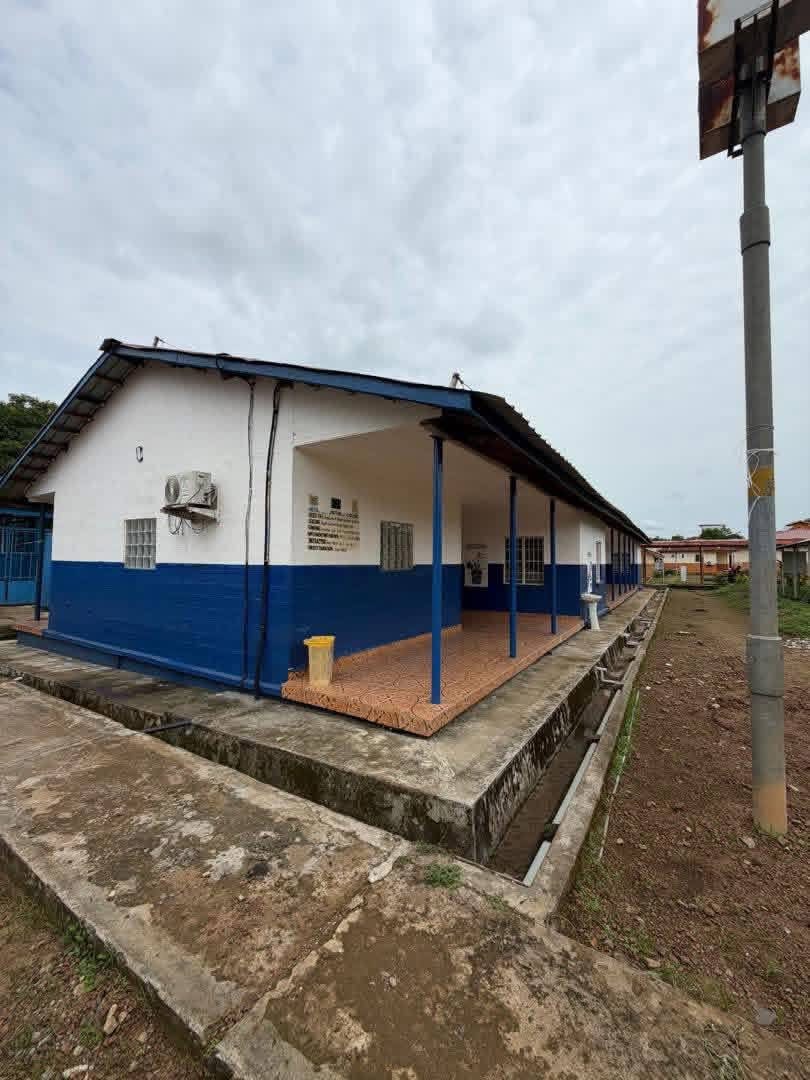
A newly rehabilitated maternity ward at the Moyamba Government Hospital has been officially commissioned, marking a significant boost to maternal and newborn healthcare services in the district.
The commissioning ceremony brought together a broad range of stakeholders, including officials from the Ministry of Health, the District Health Management Team (DHMT), Members of Parliament, the Moyamba District Council, traditional leaders, healthcare workers, civil society representatives, and development partners.
Representing the Ministry of Health, the Director of Hospital and Ambulance Services, Mr. Ibrahim Foday-Musa, commended the collaborative efforts that led to the completion of the project and described the development as a major step forward in improving healthcare delivery in Moyamba.


He noted that the progress achieved at the facility reflects strong leadership, teamwork, accountability, and commitment among hospital management and district health authorities, adding that such collaboration should serve as a model for other districts.
Speaking at the event, Hospital Secretary Mr. Kai Korpoi expressed appreciation to the Ministry of Health, local authorities, partners, and community stakeholders for their collective support in upgrading maternal healthcare services. He said the rehabilitation of the maternity ward demonstrates shared responsibility in strengthening the health system.
Acting Medical Superintendent Dr. Sidikie Mansaray described the commissioning as a turning point for the hospital, explaining that the maternity unit had previously faced serious operational challenges due to limited space and an abandoned rehabilitation project affected by funding and construction setbacks.
He disclosed that the completion of the facility was made possible through combined support from a Sierra Leonean philanthropist based in the United States, diaspora contributions, local community efforts, and development partners, including Allen Kella International under the Saving Lives Project.
Dr. Mansaray also outlined improvements recorded at the hospital over the past year, including increased patient confidence, improved service delivery, better staffing presence, and rising referrals from Peripheral Health Units (PHUs). However, he highlighted persistent challenges such as shortages of medical supplies, limited diagnostic equipment, inadequate ambulance services, and gaps in staff remuneration for volunteers.
In his keynote address, Mr. Foday-Musa praised the hospital leadership for driving reforms under a performance-based management approach introduced by the Ministry. He said the transformation witnessed at the facility demonstrates what can be achieved through effective coordination and accountability.
He further assured stakeholders that government is taking steps to strengthen healthcare delivery nationwide, including efforts to stabilize the supply of Free Healthcare medicines in the face of declining donor support.
Mr. Foday-Musa also revealed ongoing interventions such as the installation of solar power systems in health facilities, procurement of staff transport buses and vehicles for district hospitals, and plans to expand and modernize the hospital mortuary with newly acquired equipment.
On emergency response, he noted that the National Emergency Medical Service (NEMS) has been mandated to oversee ambulance operations across the country to improve efficiency and sustainability.
The Ministry, he reaffirmed, remains committed to equipping hospitals with essential medical tools, particularly in maternal and diagnostic care, as part of broader efforts to strengthen the national healthcare delivery system.