

Zainab Sheriff Files Appeal Against Four Years Prison Sentence
 Deborah Sorie
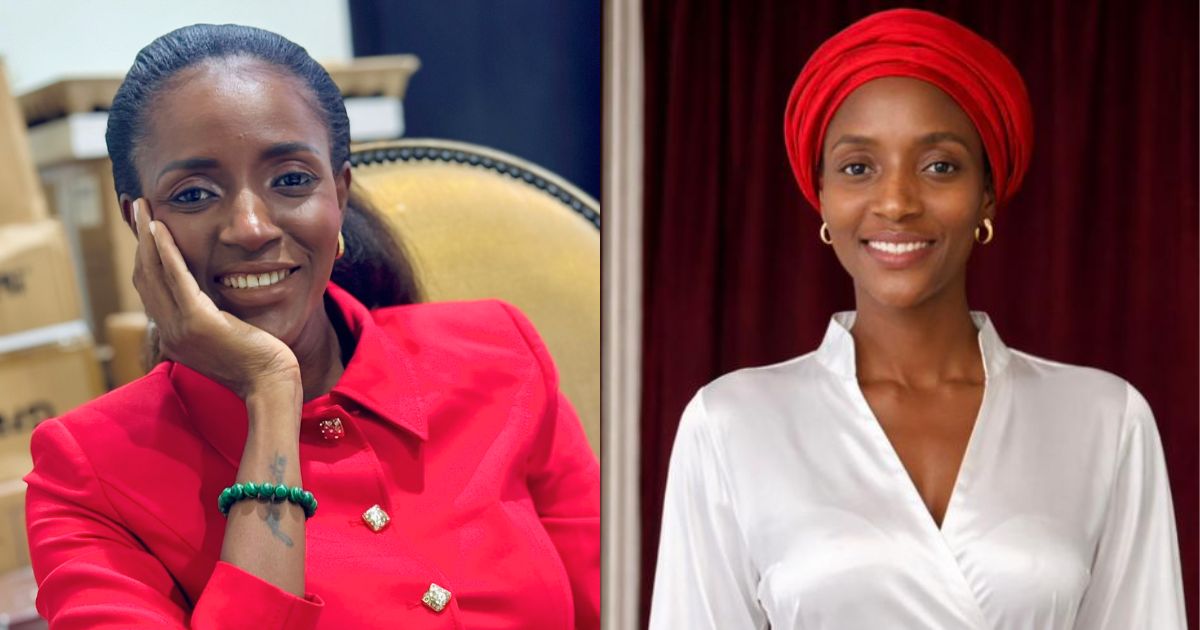
 The High Court has begun hearing the appeal filed by the defence team of Zainab Sheriff, the musician, model, and opposition political activist who was sentenced to four years and two months imprisonment in April 2026 for incitement and using threatening language.
Sheriff was convicted by Magistrate Mustapha Brima Jah of Magistrate Court No. 1 under Section 3(2) of the Public Order Act of 1965. The charges stemmed from remarks she made at an All People’s Congress (APC) rally at the Brima Attouga Mini Stadium in Freetown on January 31, 2026.
During the rally, prosecutors presented video evidence alleging that Sheriff called election rigging “treason” and said those responsible”and their families should be killed”. The court found the statements amounted to incitement and threatening language. She was arrested on February 20, 2026, and denied bail nine times before her conviction.

At the hearing before Justice Mark Ngegba of High Court No. 8, Lead Prosecution Counsel Ibrahim Tholley raised a preliminary objection, arguing that the Defence had failed to comply with the Appeal Rules. Tholley submitted that the Defence did not adequately set out or explain the judgment under challenge and urged the court to invoke Rule 8 of the Appeal Rules to dismiss the application.
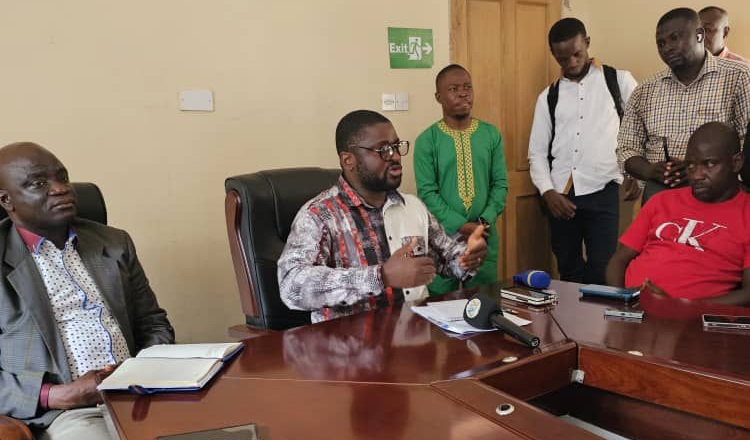
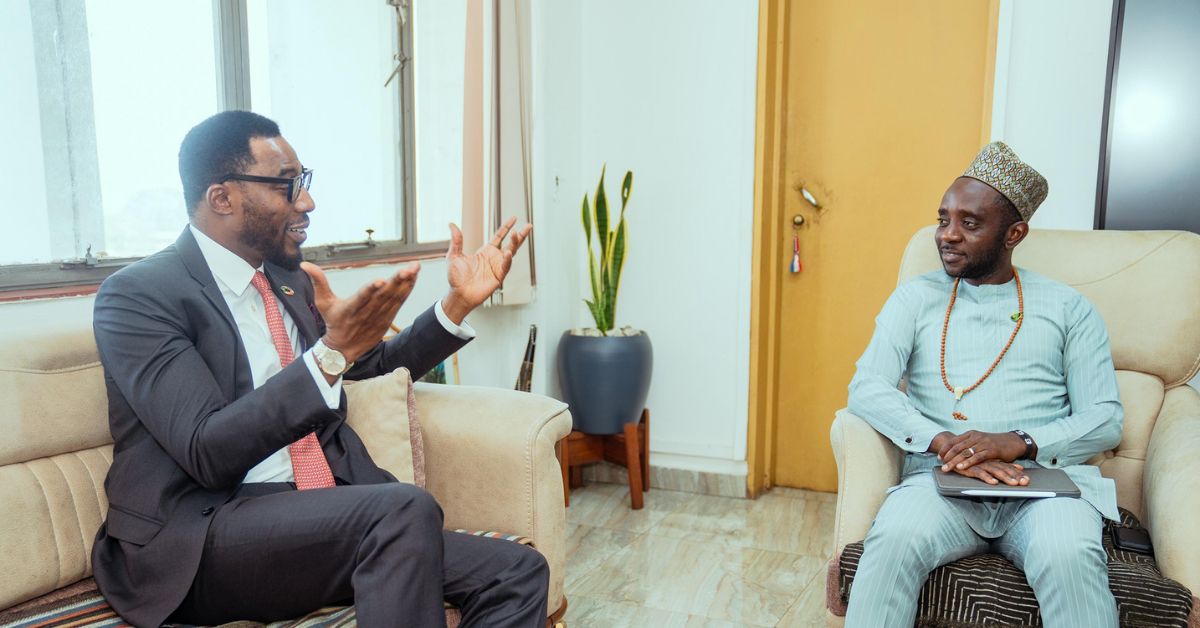

Lead Defence Counsel R. S. Wright countered that the objection was premature. He argued that Rule 8 provides guidance but does not impose absolute compliance with every statutory provision, and that the Prosecution’s objection lacked legislative foundation.
After hearing both sides, Justice Ngegba adjourned the matter to June 18, 2026, when he is expected to rule on whether the appeal will proceed or be dismissed at the preliminary stage.
Sheriff, who serves as Chairperson of the “Wi Duti” movement and is a vocal APC supporter, has maintained her innocence throughout the trial. In an unsworn statement from the dock, she described her comments as legitimate political speech intended to discourage electoral malpractice, rather than a call to violence.
Her defence team had previously submitted a no-case submission arguing there was insufficient evidence to proceed, but Magistrate Jah dismissed it, ruling that the prosecution had established a prima facie case.
The case has drawn significant public attention, with observers noting its implications for freedom of expression, political speech, and the application of Sierra Leone’s public order laws.
The Lawyers’ Society has expressed strong concern over the conviction and sentencing, describing the judgment as “unjustifiably excessive” and a potential infringement on fundamental rights. The Media Foundation for West Africa (MFWA) has also expressed deep concern, stating that the specific laws used to prosecute her have long been criticized by civil society groups.
The Guardian reported in May 2026 that lawyers, politicians, and activists have called for Sheriff’s release, with Freetown Mayor Yvonne Aki-Sawyerr describing the case as an attempt to “ensure that people are scared” and to silence political dissent .
Civil society organizations including Amnesty International, the Media Foundation for West Africa, and the Institute for Legal Research and Advocacy for Justice (ILRAJ) have also criticized Sheriff’s prolonged pre-trial detention, while the 50/50 Group has warned that her incarceration discourages female participation in national politics
Next time she will control her self
This is a giant judicial step for the records. We know it’s impossible to find justice where criminals like Fatima Bio, Julius Maada Bio and the entire Judiciary make the laws
I just hope that if someone says that your families were or are criminals, you will clap hands. Kintu I don’t think you could have said that about Siaka Steven. Even EBK. He will send his tugs for you. Believe it. Most of you don’t have no respect for people older than you. Remember, what goes around comes around, for your generations. Peace.
Most of you are illiterate in Sierra Leone. You are followers of the groups. Maada Bio and his wife are not the one who sent Zainab Sheriff to prison. It was the law of Sierra Leone. If you people don’t like development and laws in Sierra Leone, why can’t you all move into a jungle and live there? Zainab don’t have respect so she will get her rewards. I don’t think she will get it. Ego problem. Yeah. Peace.