Government Strengthens Readiness Against Viral Hemorrhagic Fever Outbreaks
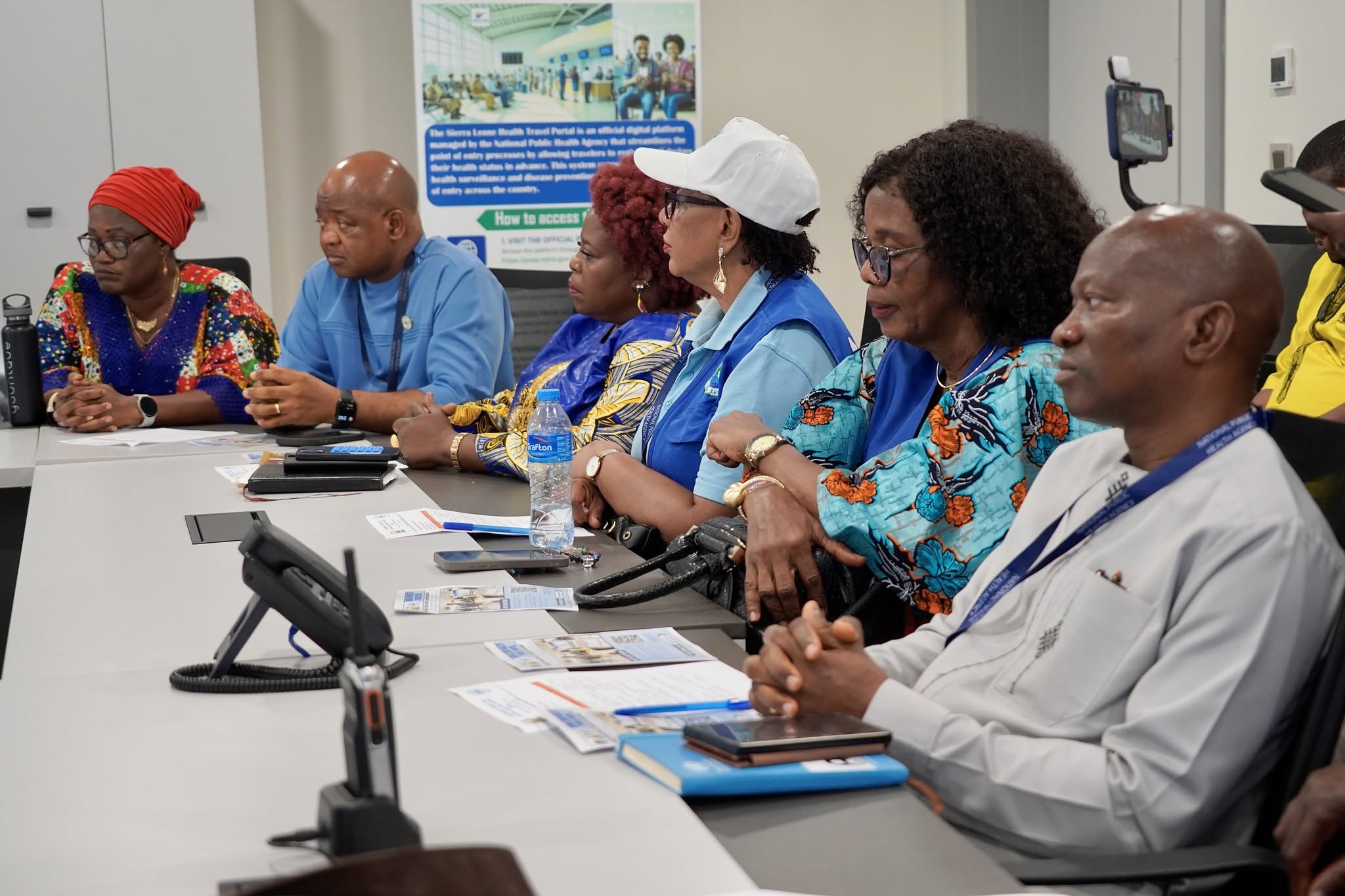
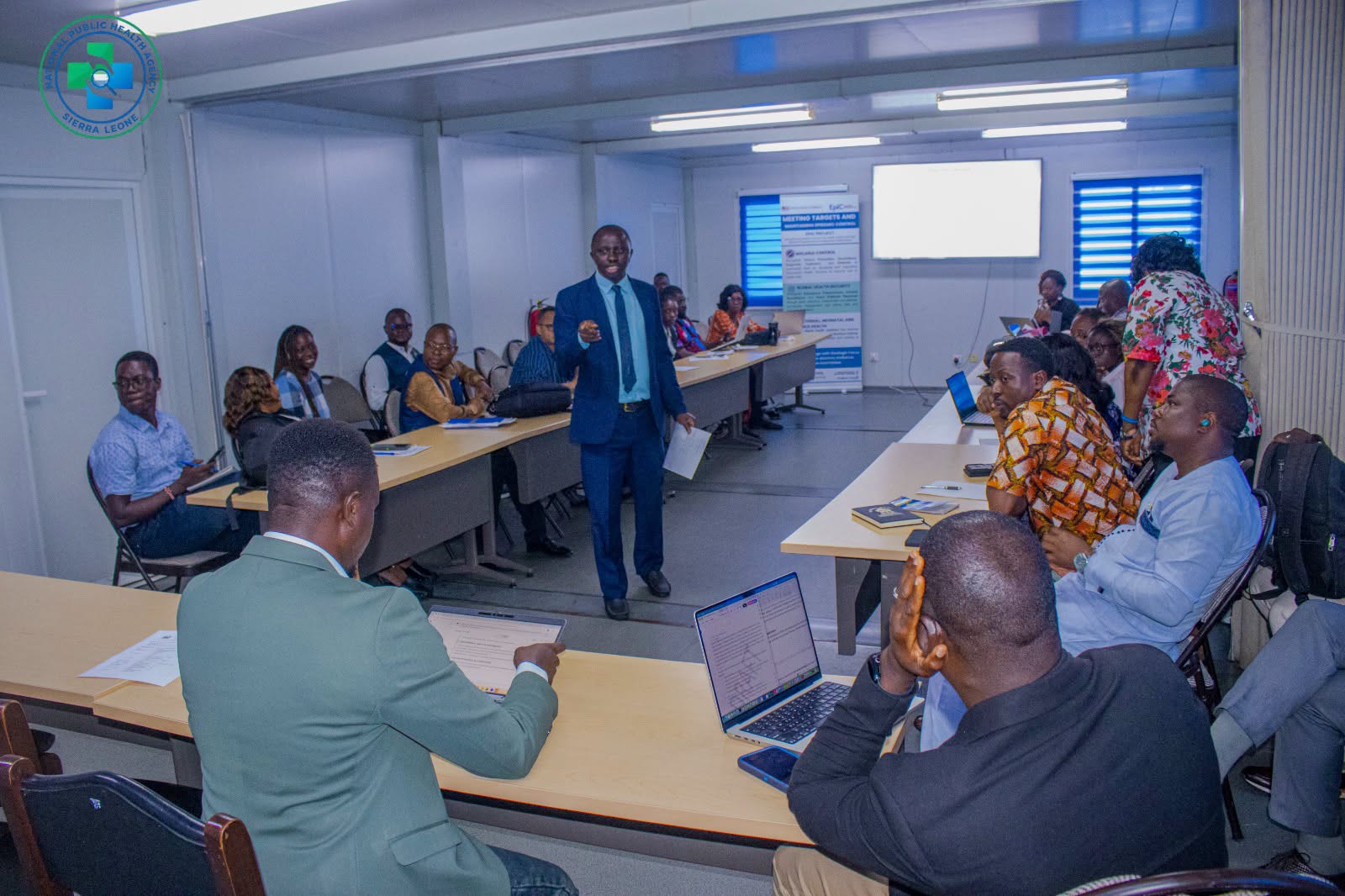
National Public Health Agency, with technical and logistical support from Population Services International (PSI), has convened a high-level validation meeting to review the Case Management Guidelines for Viral Hemorrhagic Fever (VHF) as part of efforts to strengthen the country’s preparedness for future outbreaks.
The meeting, held at the Emergency Operations Center on Wilkinson Road in Freetown, brought together public health experts, government officials, development partners, and frontline healthcare practitioners to examine and validate the draft guidelines to ensure they align with national priorities and international standards.
According to officials, the primary objective of the session was to finalize a practical and operational guide that will improve Sierra Leone’s ability to prevent, detect, and respond effectively to Viral Hemorrhagic Fever outbreaks.

The guidelines are expected to serve as a key reference document during public health emergencies, providing clear direction for healthcare workers, rapid response teams, and government institutions in areas such as clinical care, infection prevention and control, case investigation, and community engagement.

Participants at the meeting also reviewed lessons learned from previous outbreaks to ensure the guidelines are practical, adaptable, and suitable for field realities, particularly in resource-limited settings and remote districts across the country.
Officials noted that these experiences were integrated into the draft document to support both effective clinical management and community-centered outbreak response.
Speakers at the validation meeting emphasized the importance of having clear and robust operational guidelines, noting that such frameworks are critical for timely decision-making, stronger inter-agency collaboration, and rapid response during health emergencies.
They added that a standardized approach would help reduce confusion during crises, improve the use of limited resources, and minimize the social and human impact of outbreaks.
Once finalized, the guidelines are expected to strengthen preparedness at both district and health facility levels while standardizing response actions nationwide, contributing to a more resilient national health security system.
The NPHA reaffirmed its commitment to working closely with government ministries, development partners, and local stakeholders to strengthen Sierra Leone’s public health system and improve the country’s capacity to prevent, detect, and respond to emerging health threats.
The validation process marks another significant step in Sierra Leone’s preparedness efforts, reinforcing national measures aimed at protecting communities against the threat of Viral Hemorrhagic Fevers and other public health emergencies.