

Ministry of Health Inaugurates Governance Committee to Strengthen Health Workforce Training
 Kanja Sesay
 The Ministry of Health has inaugurated a National Ministerial Performance and Training Governance Committee aimed at strengthening the coordination, accountability, and effectiveness of health workforce development programmes across Sierra Leone.
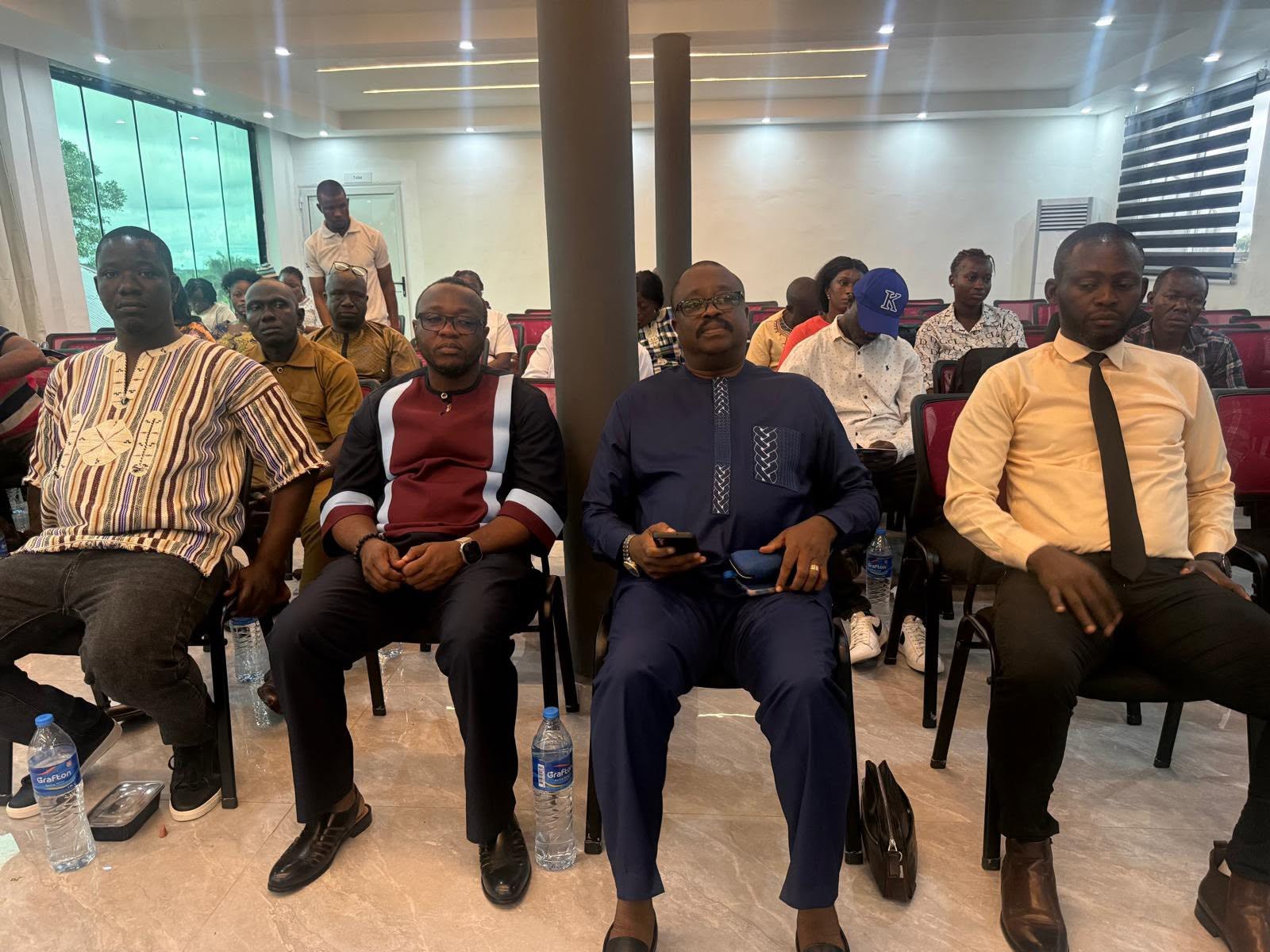
The committee was launched during a high-level orientation meeting held at Eden Lodge in Bo City on Friday, with support from the German Development Cooperation (GIZ) and the Government of Germany. The event brought together District Medical Officers, Medical Superintendents, Ministry of Health directors, and other key stakeholders involved in healthcare workforce planning and development.

Chairing the meeting, Senior Permanent Secretary of the Ministry of Health, Mr. Andrew L. Sorie, highlighted progress achieved through the Ministry’s partnership with GIZ, including the development of the National In-Service Training Policy, the Generic In-Service Training Framework, district-specific training plans, and a digital Training Needs Assessment tool.


Mr. Sorie explained that these initiatives represent a shift from previous fragmented approaches to training, towards a more strategic and evidence-based system that identifies workforce gaps and aligns training investments with national health priorities and service delivery needs.
However, he noted that challenges remain, including weak coordination, duplication of training activities, and limited connections between training programmes and healthcare worker performance.
He described the newly established governance committee as a key mechanism to improve leadership, oversight, transparency, accountability, and value for money in health training investments.
According to Mr. Sorie, the integration of digital platforms into the Ministry’s Digital Health ecosystem will also allow for real-time monitoring and management of training activities across the country.
Delivering the keynote address, Deputy Minister of Health I, Prof. Charles Senesie, described the inauguration as a significant milestone in efforts to strengthen Sierra Leone’s health workforce and improve healthcare delivery.
Prof. Senesie commended GIZ and the Government of Germany for their continued support, emphasizing that healthcare workers remain central to the success of the country’s health system.
He stated that training should no longer be treated as an isolated activity but as a strategic investment directly linked to improved performance, quality healthcare services, and better health outcomes.
The Deputy Minister further explained that the committee, supported by digital tools, will enable the Ministry to monitor key aspects of training investments, including who receives training, the competencies developed, costs involved, funding sources, and the impact on healthcare delivery.
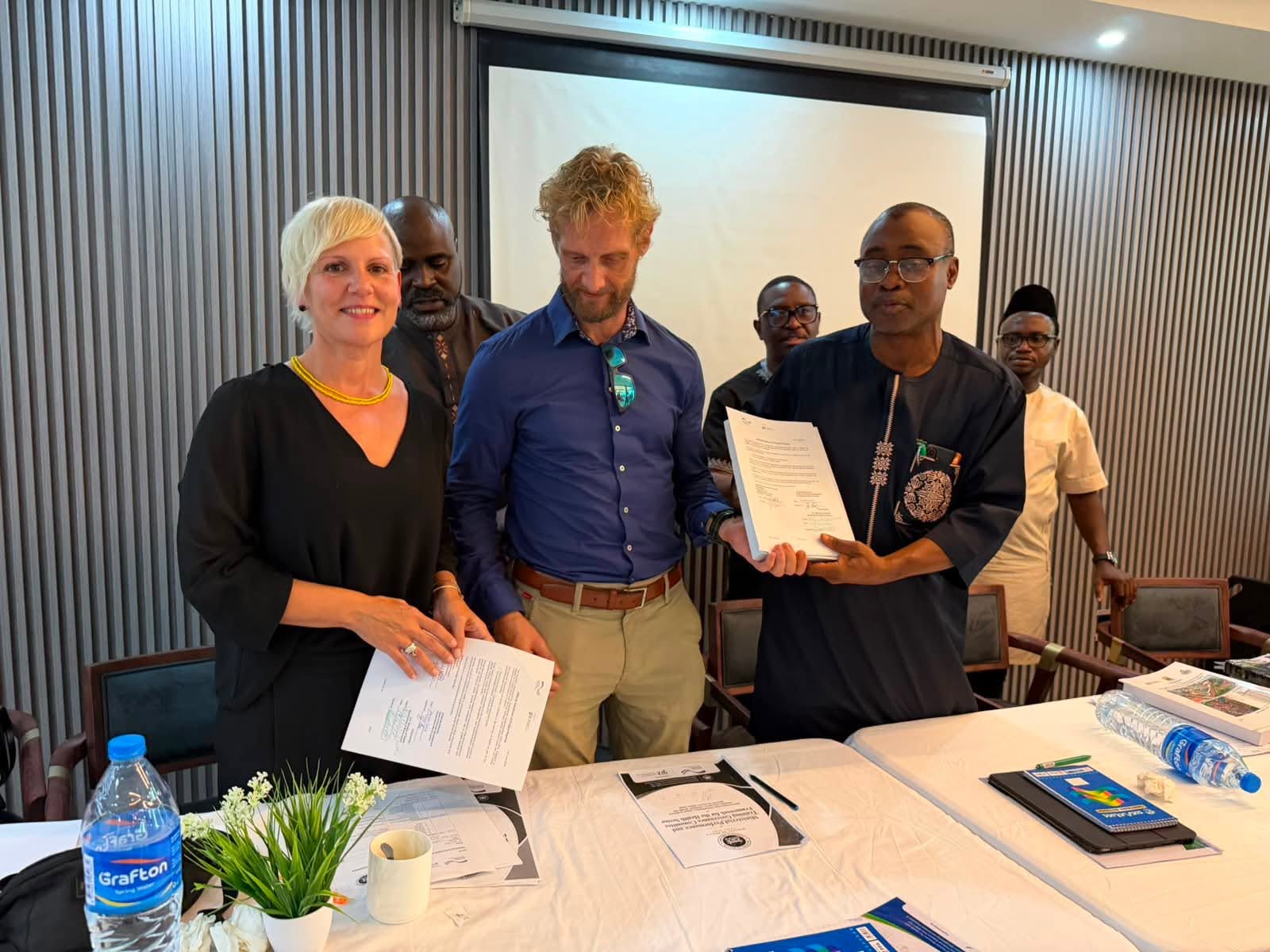
He stressed the importance of evidence-based decision-making, transparency, and accountability to ensure that workforce development programmes produce measurable improvements in healthcare services nationwide.
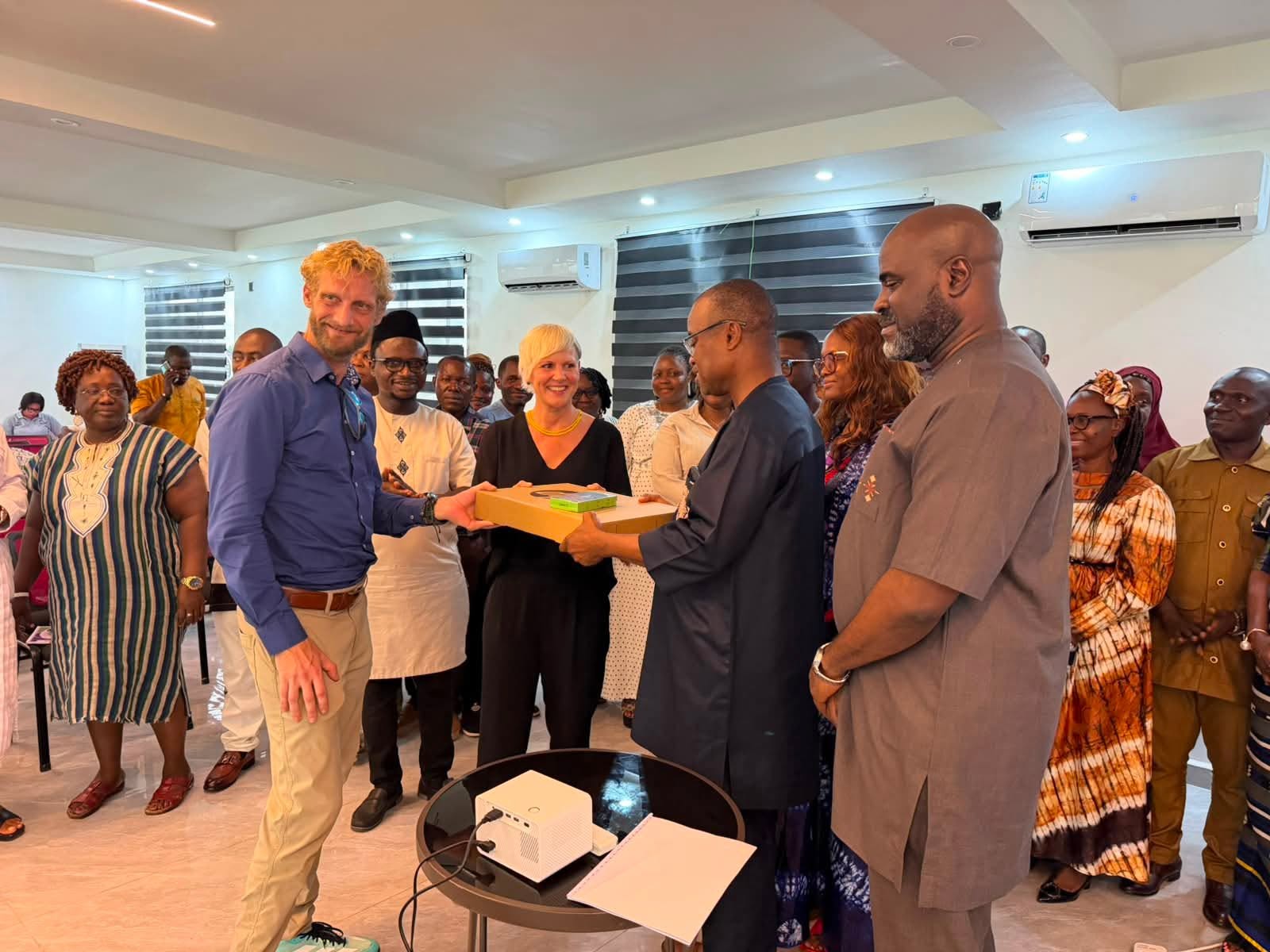
During the event, the Deputy Minister of Health officially handed over digital equipment, including laptops and MiFi devices, to the Directorate of Human Resources for Health, selected health facilities, and committee members.
The equipment is expected to improve digital connectivity, strengthen implementation of the training governance framework, and enhance monitoring and reporting systems.
The meeting concluded with discussions on the operationalization of the committee and renewed commitments to building a competent, motivated, and resilient health workforce capable of supporting Sierra Leone’s progress towards Universal Health Coverage and Health Security.