ECSL Conducts Inspection of Port Loko Office Project and Gbinti Substation Facility
 Sahid Bangura
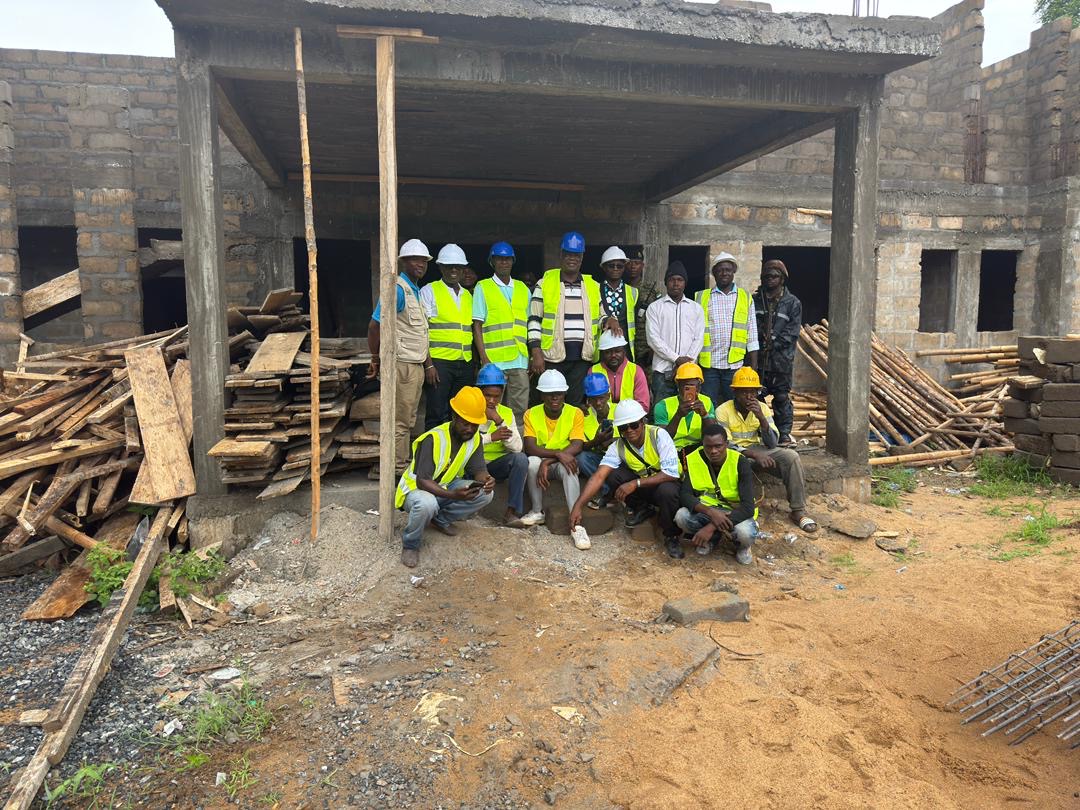
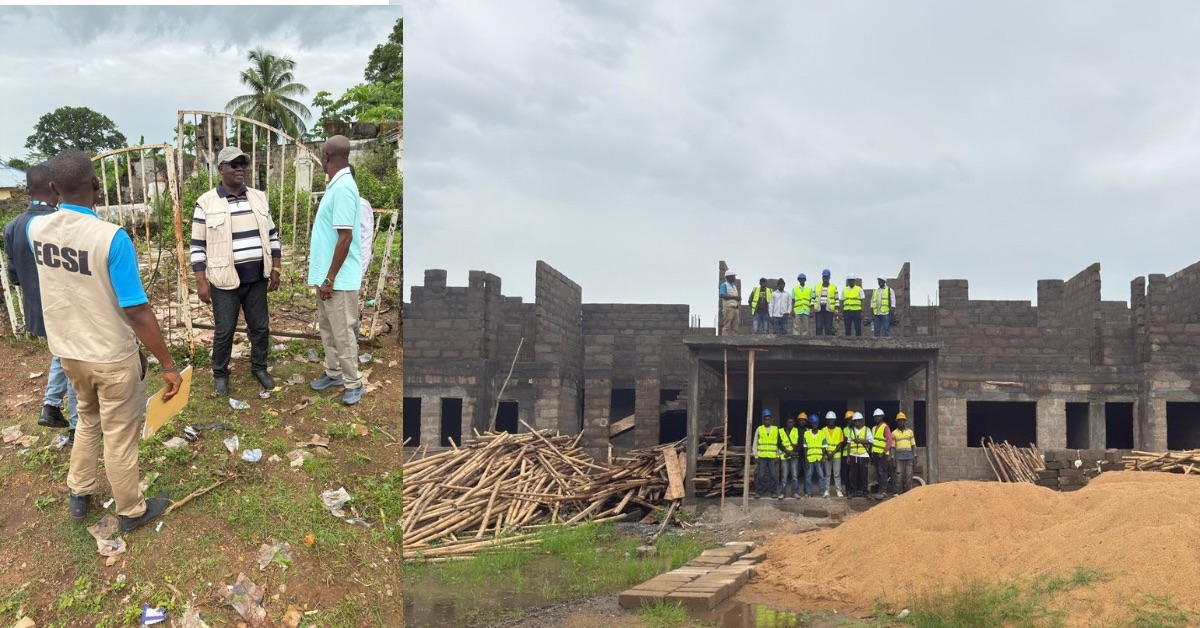
 The Electoral Commission for Sierra Leone (ECSL) has undertaken a technical inspection of its office facility currently under construction in Port Loko City as part of efforts to monitor infrastructure development and ensure the effective management of its operational assets.
The inspection exercise was led by the Commission’s Director of Administration, Mr. Aiah Quiwa, alongside Engineer James Amara and members of the ECSL technical team. The visit was aimed at obtaining firsthand information on the progress and current status of the construction project.
According to ECSL officials, the assessment focused on evaluating the physical condition of the facility, reviewing ongoing construction works, and determining its level of operational readiness ahead of completion. The team also engaged personnel on the ground to gather relevant information and ensure accurate reporting on the project’s development.

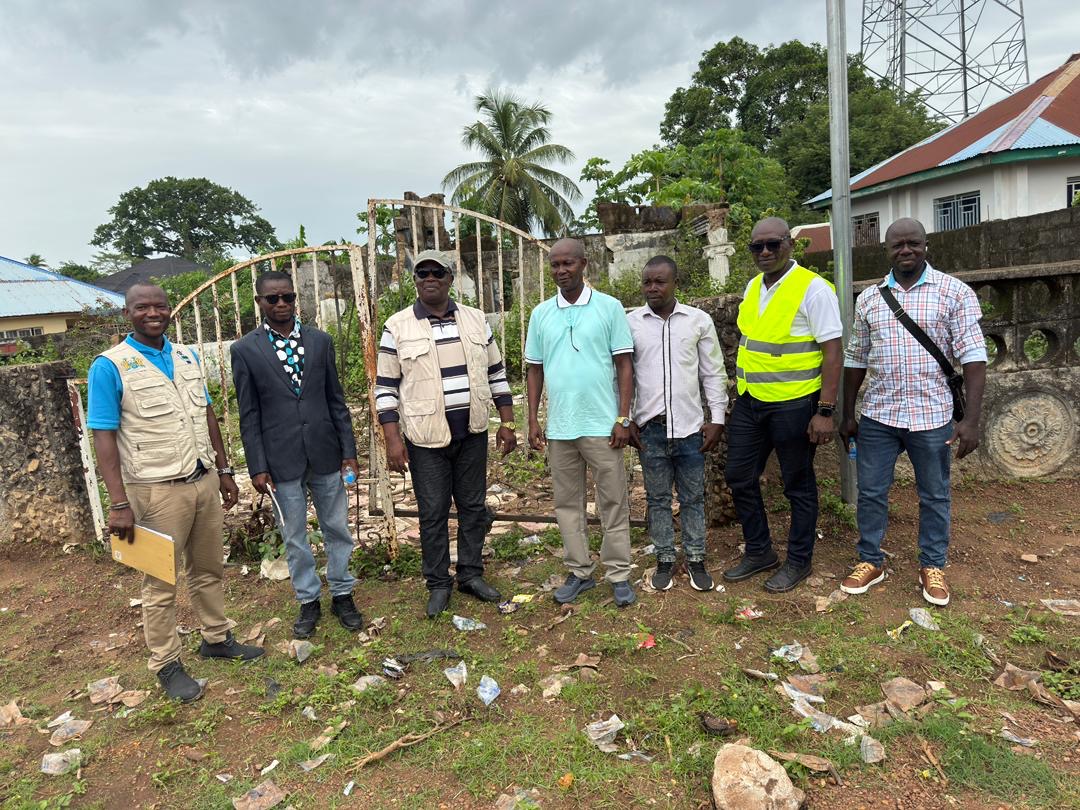



The Chief Electoral Commissioner and Chairman of ECSL, together with the Electoral Commissioner for the North-West Region, were expected to join the inspection team as part of the Commission’s commitment to closely monitoring key infrastructure projects across the country.
Following the Port Loko assessment, the delegation proceeded to Gbinti to inspect a damaged structure that previously served as an ECSL substation office. The visit was intended to evaluate the condition of the facility and explore possible measures for addressing challenges affecting the structure.
As part of the engagement in Gbinti, the ECSL team was also scheduled to hold discussions with the landlord of the property on matters relating to the condition and future use of the building.
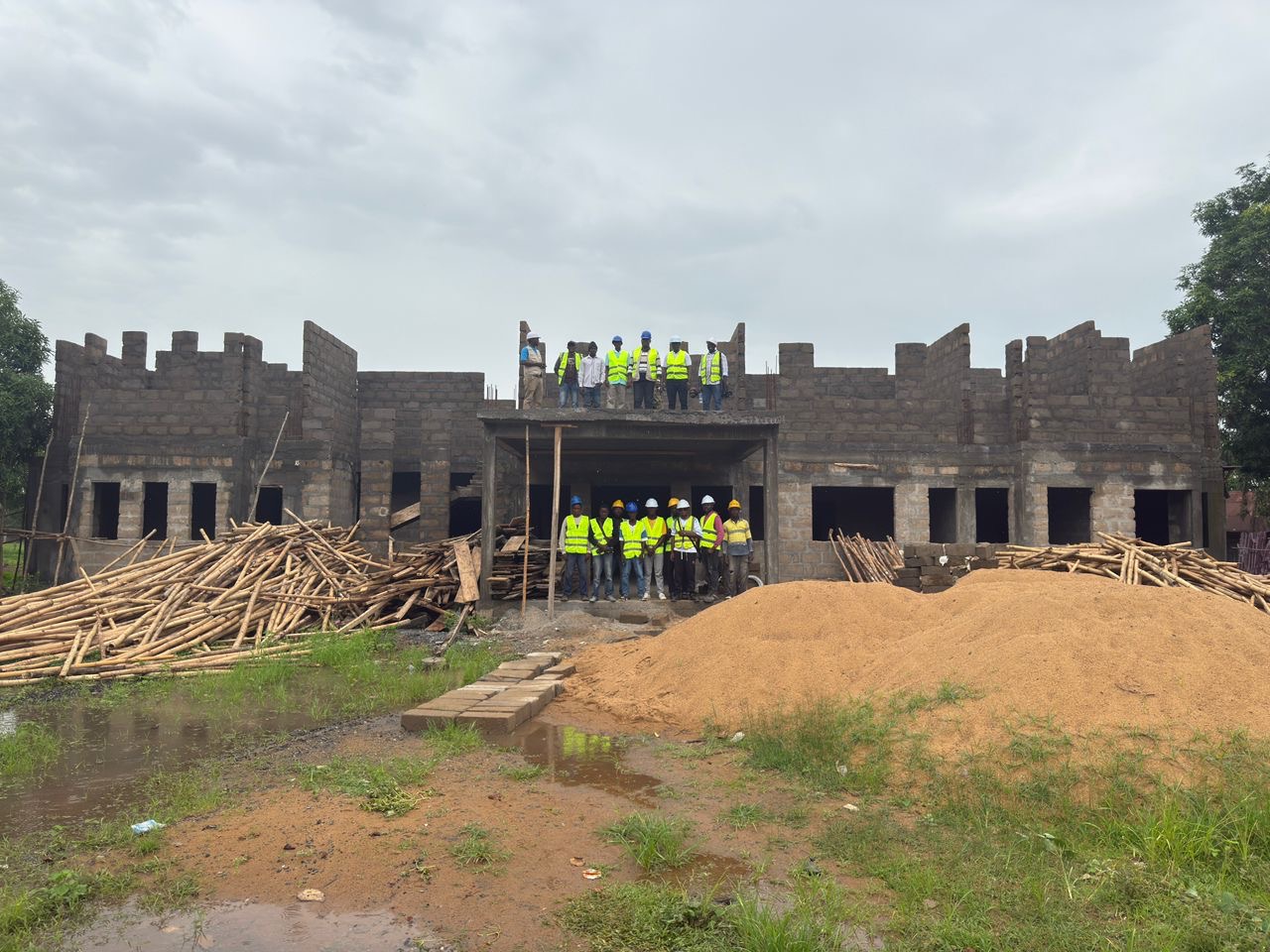
The inspection forms part of the Commission’s broader efforts to ensure that its offices and operational facilities are properly maintained, functional, and capable of supporting the effective delivery of electoral services nationwide.
ECSL officials noted that regular monitoring and assessment of its infrastructure remain critical to strengthening institutional efficiency and ensuring that operational challenges are identified and addressed in a timely manner.