Bombali Leaders Push for Citizen-Centred Presidential Townhall in Makeni
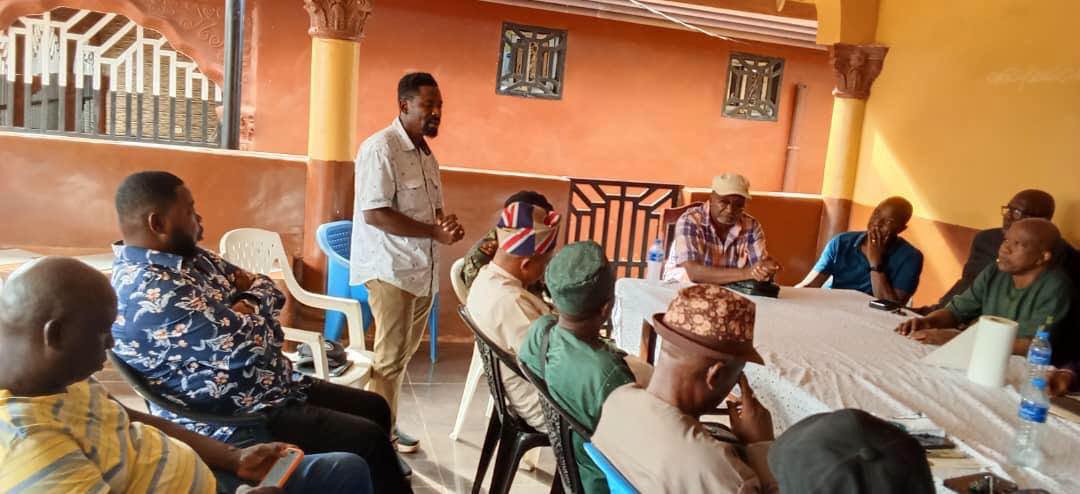
Local leaders in Bombali District have described the upcoming National Presidential Townhall in Makeni City as a key opportunity to elevate citizens’ concerns into the national policy discourse, following a high-level stakeholder engagement aimed at strengthening civic participation, security coordination, and post-event accountability.
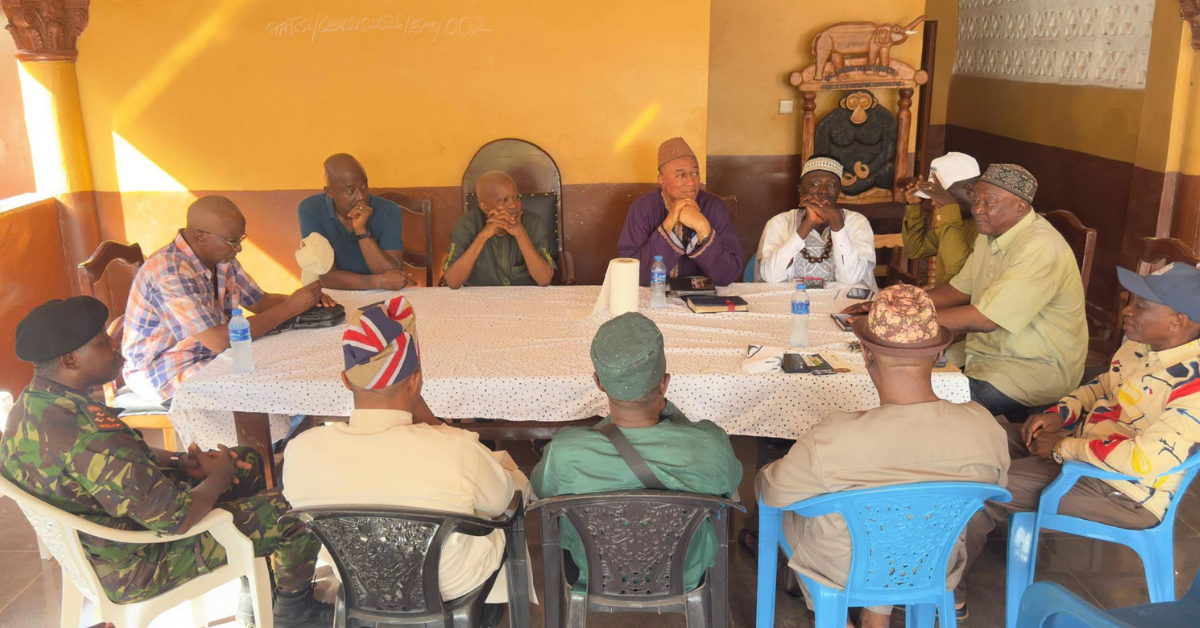
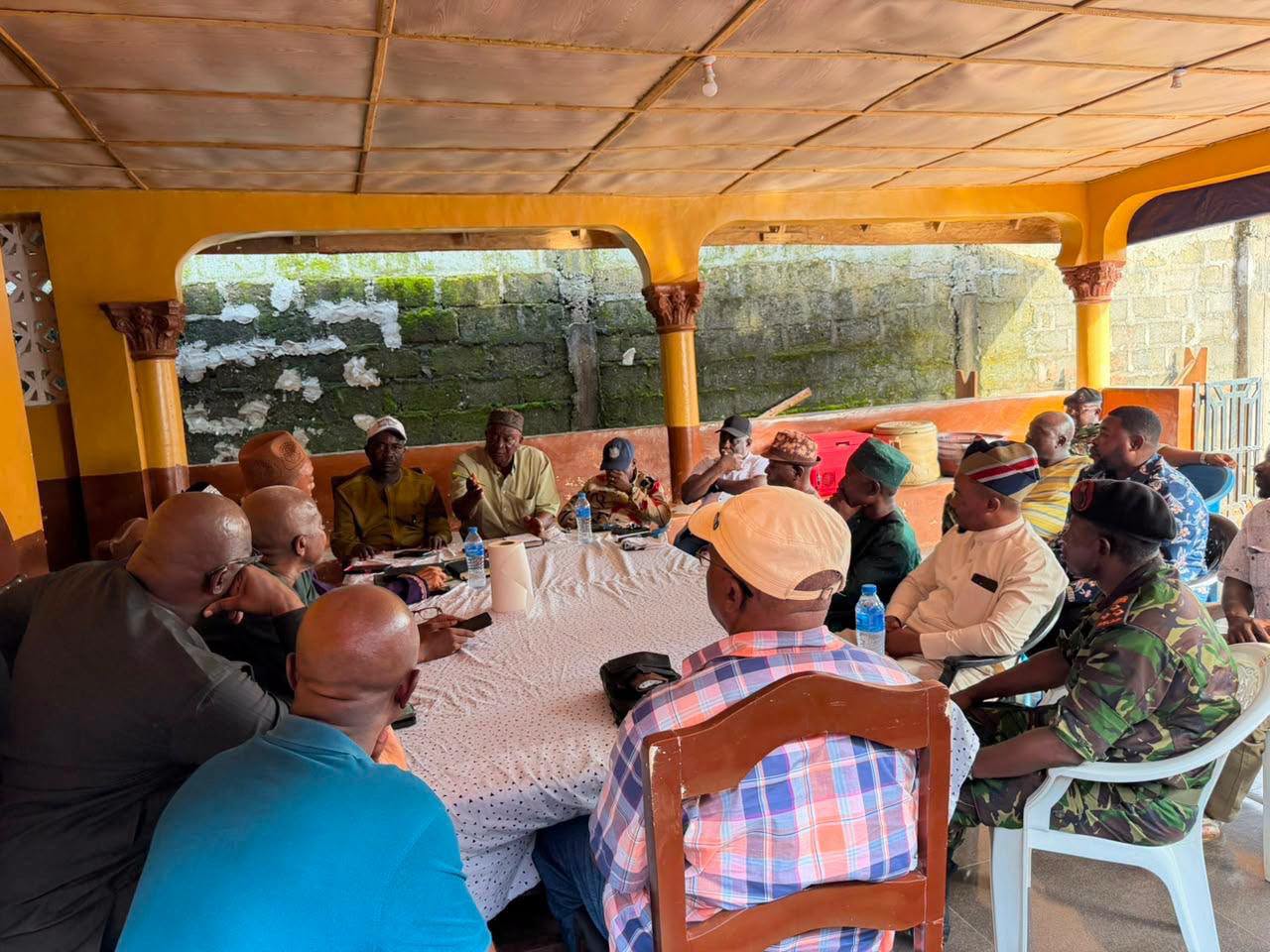
The meeting, held this week in Bombali, brought together a broad cross-section of traditional, civic, security, political, and development actors. It was chaired by the Chairman of the Council of Paramount Chiefs and co-chaired by the Resident Minister for the region. In attendance were the Chairman of the Bombali District Council, the Mayor of Makeni City, the newly deployed Brigade Commander, leading political representatives, the Regional NaCCED Officer, and academic Dr. Philip Joe Kanu.
Participants collectively agreed that the Townhall should not be treated as a one-off political event, but rather as a platform capable of catalysing sustained government–community engagement. Stakeholders emphasised that its impact will depend on how well it is anchored in citizen preparation, structured dialogue, and follow-up mechanisms that track government commitments.

Director of Civic Education and Citizens’ Engagement, Timothy Sam, described the initiative as a major civic learning opportunity. He stressed that empowering citizens to ask informed, focused questions would significantly improve the quality of engagement and increase the likelihood of actionable outcomes. As a result, the meeting prioritised a series of pre-Townhall activities, including community briefings, question-formulation workshops, and targeted civic education sessions designed to help residents understand policy trade-offs and monitor post-event commitments.
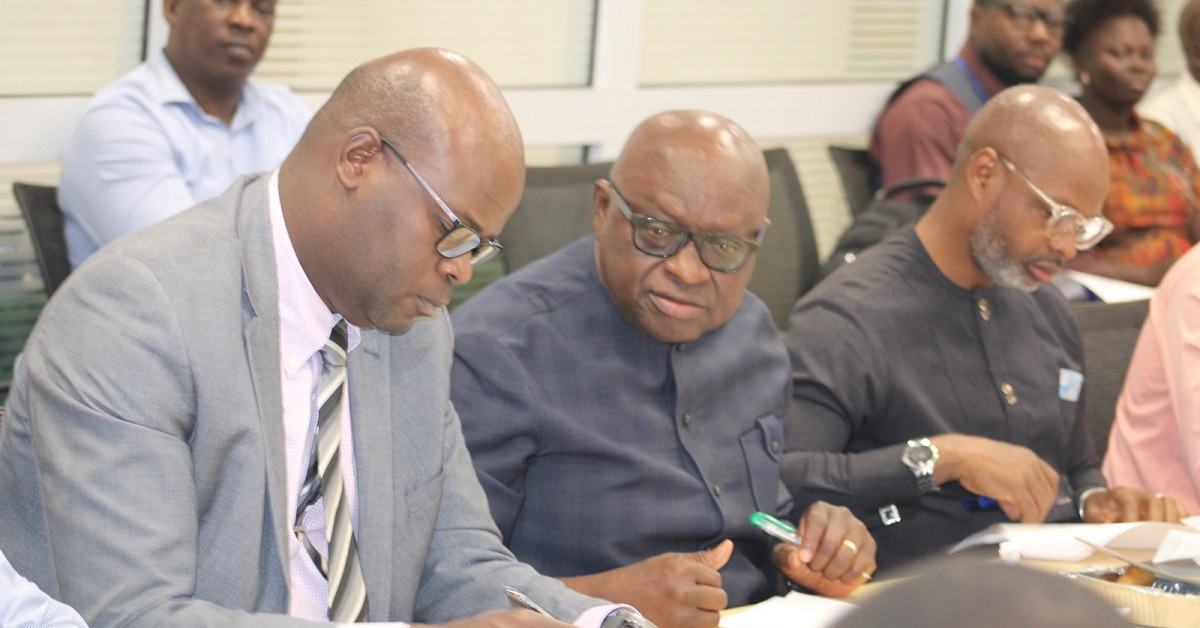
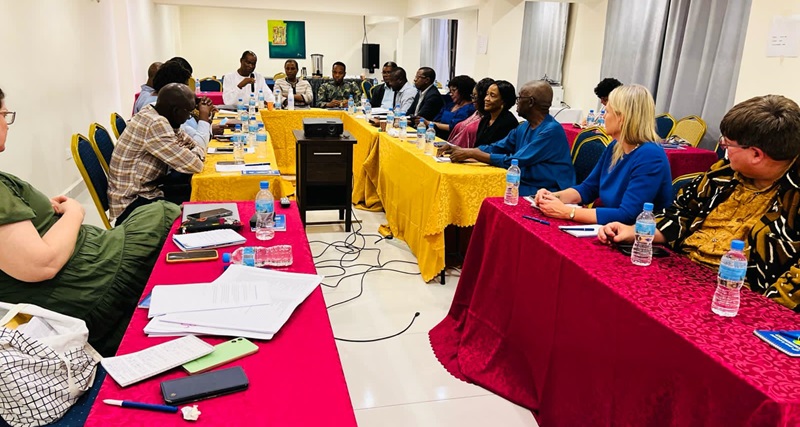
Security and logistics also featured prominently in the discussions. With the Brigade Commander present, stakeholders reviewed arrangements for crowd control, safety coordination, transport logistics, seating arrangements, and medical preparedness. Organisers underscored the importance of creating a secure environment that allows citizens to express themselves freely while ensuring order and safety throughout the engagement.
Special attention was given to inclusivity, with commitments made to ensure meaningful participation from women, young people, and persons with disabilities. Leaders agreed that logistical planning must actively remove barriers to participation and guarantee broad community representation.
The meeting concluded with a coordinated action plan that includes intensified civic education ahead of the Townhall, security and logistics rehearsals, a structured communications campaign, and clear post-event review mechanisms. Stakeholders further committed to convene a follow-up assessment to evaluate promises made during the Townhall and assign responsibility for tracking implementation.
By centring civic readiness, security, and accountability, Bombali’s leadership is seeking to transform the upcoming National Presidential Townhall into more than a symbolic gathering—positioning it instead as a practical model for sustained citizen–government dialogue and measurable public engagement outcomes.