
Supreme Court Refuses Interim Injunction in St. Joseph’s Ex-Pupils Dress Code Dispute
 Aaron Parker
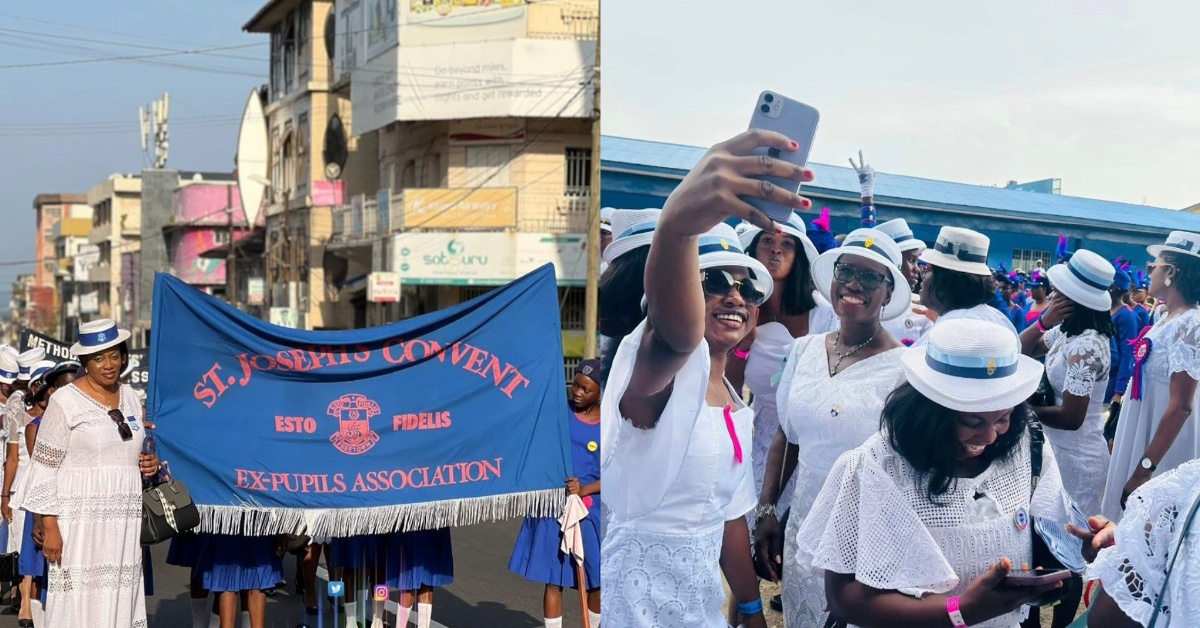
 The Supreme Court of Sierra Leone has refused an application for an interim injunction in an ongoing dispute involving the St. Joseph’s Secondary School Ex-Pupil Association over dress code rules for the school’s 160th Anniversary celebrations.
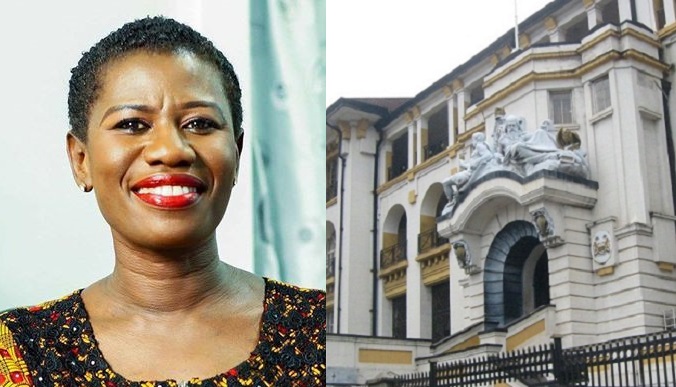
The matter was heard by a panel presided over by Chief Justice Komba Kamanda, alongside Justices Alusine Sesay and Tonia Barnett.
The application was filed by a group of former pupils, including Professor Isata Wurie, who are challenging aspects of the dress code introduced for the anniversary Thanksgiving Service and march past.

Represented by lawyer Osman Jalloh, the plaintiffs sought an urgent interim injunction to prevent organisers from excluding them from participating in the celebrations over their choice of attire, described in court as a long dress and minimal head covering.
Counsel M. C. L. Stronge appeared for the 2nd to 6th defendants.
After hearing submissions from both sides, the court adjourned for several hours before delivering its ruling. In refusing the application, the court held that, “in the interest of justice,” it could not grant an ex-parte injunction without fully hearing from all parties. It further stated, “considering the urgency of the matter, the interim injunction is hereby refused.”
The judges indicated that a detailed ruling will be provided at a later date, while the matter has been adjourned pending further proceedings.
The plaintiffs argue that the enforcement of the dress code amounts to discrimination and violates constitutional rights, including freedom of conscience and equal treatment. They maintain that their action is not intended to halt the anniversary celebrations, but rather to secure their right to participate while adhering to what they describe as modest dress.
The case has drawn public attention, with debate focusing on whether rules set by the ex-pupils’ association can lawfully exclude members from participating in a major public event.
Despite the refusal of the interim injunction, the substantive constitutional issues raised in the matter remain before the Supreme Court for determination.