

 1 Comment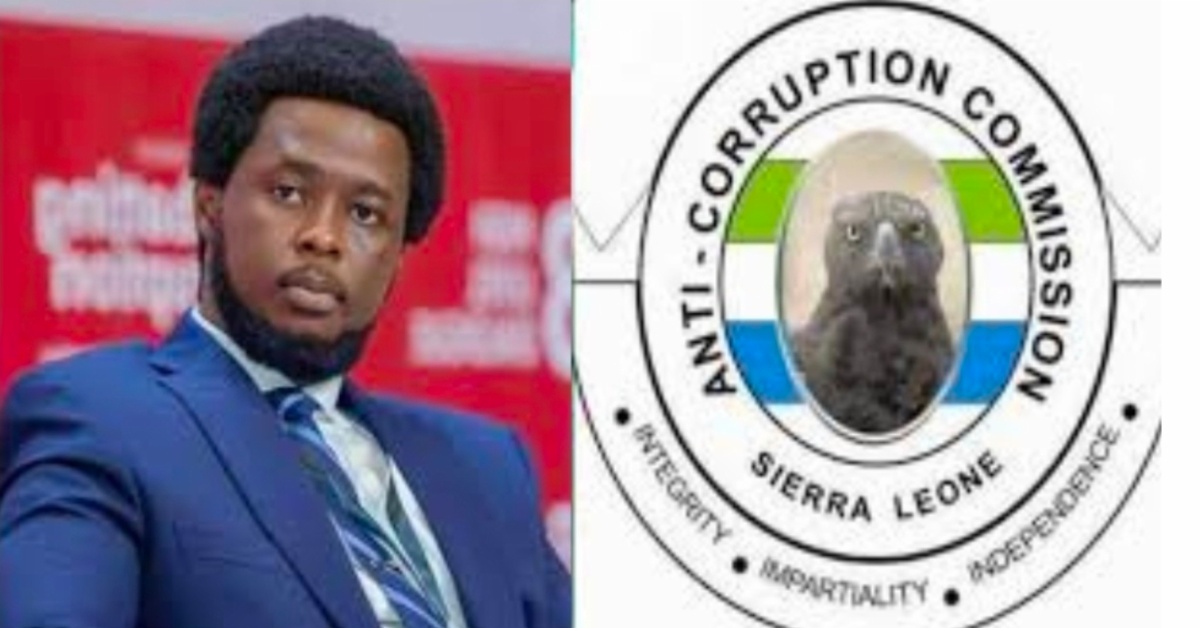
The Anti-Corruption Commission (ACC), under the leadership of Commissioner Francis Ben Kaifala, has taken decisive action in a case that has sent shockwaves through Sierra Leone’s energy sector, indicting three senior officials over alleged corruption linked to World Bank-funded projects.
Those charged are Emmanuel Mannah, former Director General of the Sierra Leone Electricity and Water Regulatory Commission (SLEWRC); Isatu Mariama Bah, a Procurement Officer at SLEWRC; and Richard Anthony Success Lahai Goba, a Procurement Officer attached to the Project Implementation Unit of the Electricity Distribution and Supply Authority (EDSA).
According to the ACC, the indictments stem from alleged corruption offences connected to two World Bank-sponsored projects implemented in 2024: the review of the SLEWRC Act of 2011 and a nationwide sensitisation campaign on the use of electricity. The contracts under investigation are valued at approximately Le1,182,288.08 and Le300,000, figures the Commission says exceeded procurement thresholds and were allegedly awarded in breach of procurement laws. The ACC further alleges abuse of office and failure to disclose interests.
Beyond the immediate legal proceedings, the case reflects a broader reform agenda being pursued by the ACC, particularly within sectors historically associated with weak controls and opaque procurement systems. The energy sector, long criticised for the quiet misuse of public and donor funds, now finds itself under heightened scrutiny as the Commission targets senior officials within both regulatory and implementing institutions.
Observers say the indictments send a clear signal that technical positions and donor-funded projects are not insulated from accountability. The move is widely viewed as an attempt to strengthen institutional integrity and restore public confidence, underscoring that electricity reform must extend beyond generation and distribution to include transparency and ethical governance.
However, many analysts believe the current case may represent only the beginning. Persistent reports continue to circulate regarding procurement practices within EDSA’s boardroom, including allegations that contracts have been awarded to companies owned by, or closely linked to, board members. If substantiated, such conduct would amount to serious conflicts of interest and further expose systemic weaknesses in institutional governance.
The concern, critics argue, is not limited to individual wrongdoing but points to entrenched systems that allow decision-makers to influence procurement outcomes while public institutions suffer financial strain.
The timing of the indictments has amplified their impact. As frequent power outages continue to disrupt daily life in Freetown, public frustration is mounting, and the connection between governance failures and poor service delivery is becoming increasingly evident. The ACC’s actions suggest a methodical strategy beginning with cases supported by clear evidence and potentially expanding toward a wider examination of procurement processes, board-level decisions, and undisclosed interests across the energy sector.
For many Sierra Leoneans, the moment is both sobering and cautiously hopeful sobering in light of allegations of misconduct that may have occurred in plain sight, and hopeful because accountability within one of the country’s most critical sectors now appears to be moving beyond promise to practice.


Should we intend to consciously fight against Corruption, the approaches in dealing with mass corrupt activities must be harsh, radical and blunts. Prosecution leading to life imprisonment.
Commissioner Ben and his Team are trying, but corruption will keep fighting back