President Bio Commissions Manowa Bridge in Kailahun, Ends Ferry Crossings Across Moa River
 Sahid Bangura
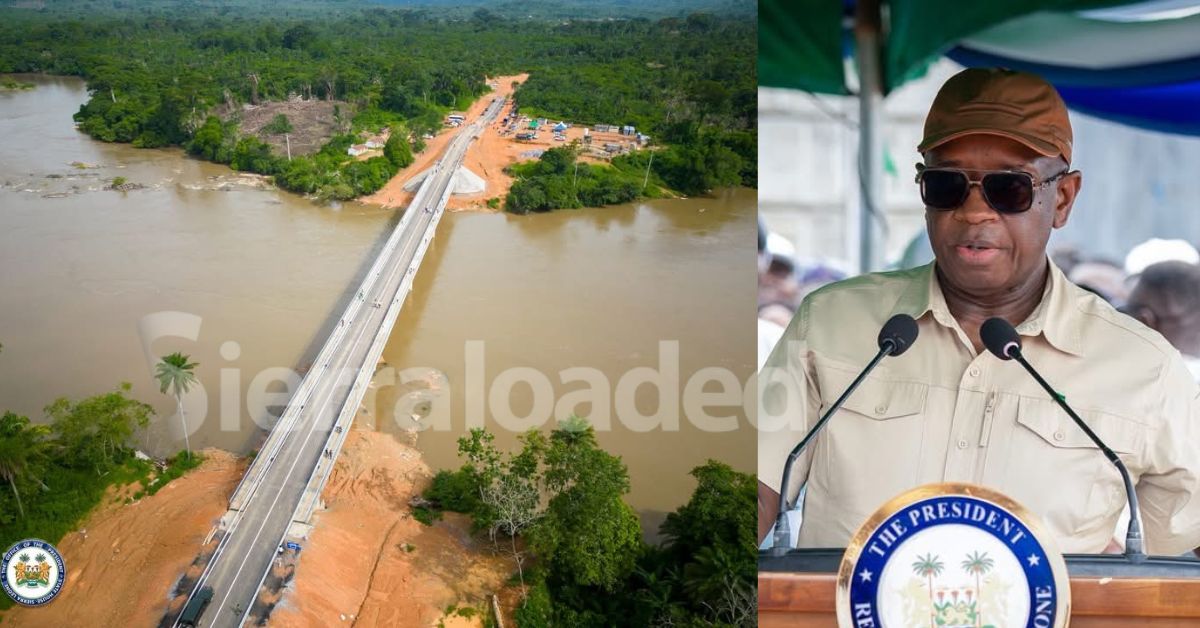
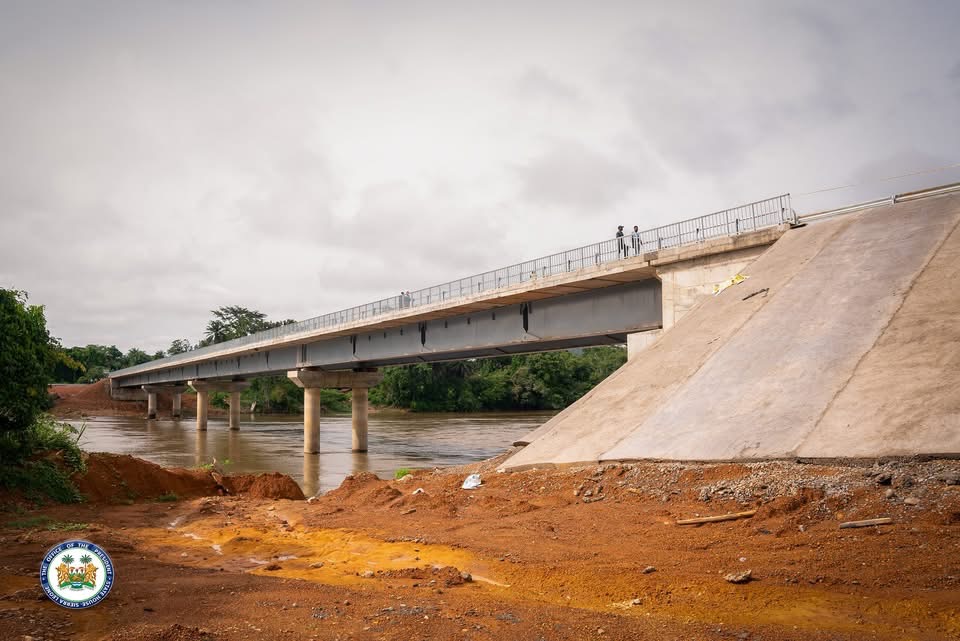
 President Dr. Julius Maada Bio has officially commissioned the Manowa Bridge in Kailahun District, describing the project as a major infrastructure milestone aimed at improving connectivity, boosting economic activities, and enhancing the livelihoods of communities in eastern Sierra Leone.
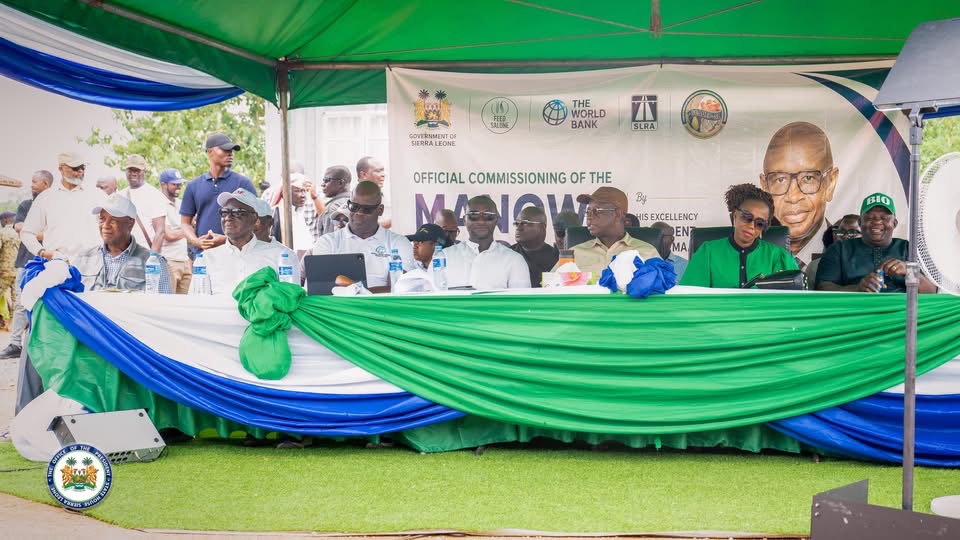
The commissioning ceremony, held on Saturday, June 20, 2026, marked the opening of the bridge to public use and brought an end to decades of dependence on cable ferry crossings along the Moa River for several chiefdoms in the region.
Speaking during the event, President Bio said the bridge forms part of the Government’s broader agenda to expand road infrastructure, improve transportation networks, and promote economic growth across the country.


He stated that the new bridge would strengthen trade and agricultural activities by providing safer and more reliable access for farmers, traders, and residents within the affected communities.
According to the President, the completion of the Manowa Bridge officially ends the era of cable ferry crossings for residents of Kpeje West, Upper Bambara, Penguia, and Luawa Chiefdoms, who have for many years relied on the river crossing system for movement and transportation.
President Bio noted that improved connectivity would create new opportunities for local communities, facilitate the movement of goods and services, and support economic development in the region.
He also expressed appreciation to the World Bank for its continued support toward Sierra Leone’s infrastructure and development programmes, acknowledging the institution’s contribution to the successful implementation of the project.
The Manowa Bridge is expected to significantly improve transportation links between communities, reduce travel difficulties, and enhance access to markets, social services, and economic opportunities for thousands of residents.
The commissioning of the bridge forms part of the Government’s ongoing investment in infrastructure development aimed at promoting regional integration, supporting agricultural production, and improving the quality of life of citizens across the country.