

 Post a comment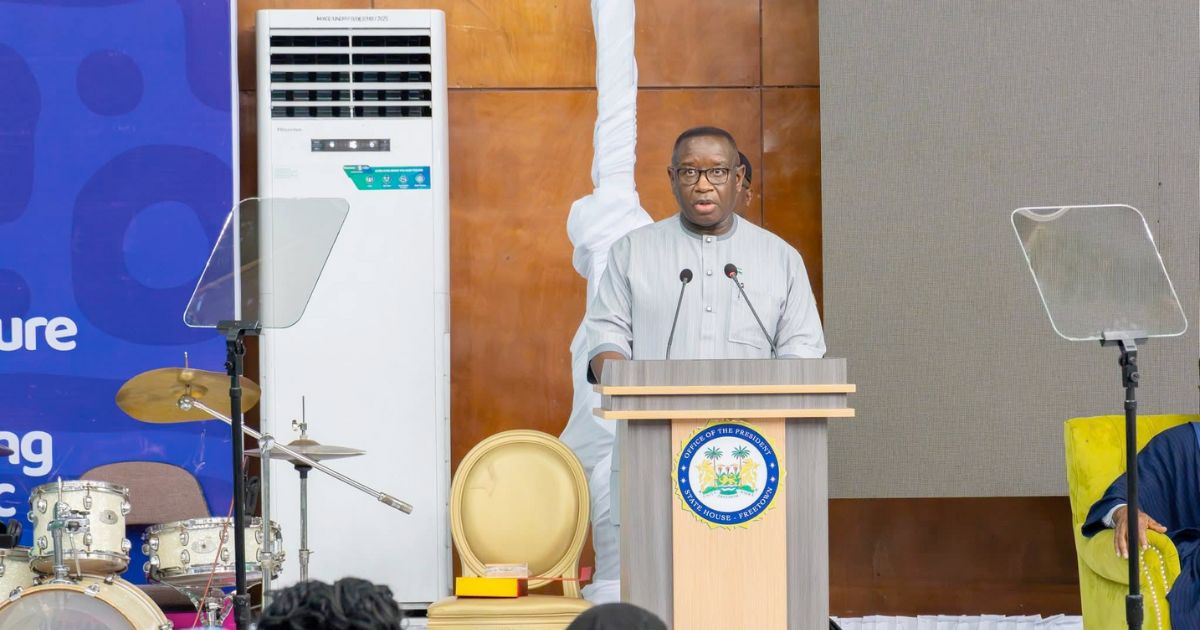
Boom! The echo of the first gunshot fired in Bomaru Town, Eastern Sierra Leone, on 23 March 1991 shattered not only the peace of a quiet community but the soul of an entire nation. In that instant, Sierra Leone was thrust into an 11-year nightmare of violence, fear, and despair, one of the darkest chapters in its history. What followed was a war so brutal and senseless that it left behind a trail of broken families, ravaged communities, and a deeply wounded national psyche.
Villages were razed to the ground. Farms, the lifeline of rural livelihoods, were abandoned. Parents fled with children on their backs, seeking refuge in strange lands, while others were not so fortunate. Innocent civilians were slaughtered, women and girls subjected to unspeakable sexual violence, and thousands of young boys and girls were forcibly conscripted into armed groups. The amputation of arms and legs became a chilling signature of the conflict, turning living human beings into symbols of terror. Trauma became widespread, trust evaporated, and the very fabric of Sierra Leonean society was torn apart.
The war was prosecuted by the Revolutionary United Front (RUF), led by Foday Sankoh, under the banner of fighting corruption, bad governance, nepotism, and youth marginalization. Yet, in a tragic betrayal, the movement degenerated into a machinery of terror, inflicting extreme cruelty on the same citizens it claimed to defend. Entire communities were destroyed, thousands were killed, and countless others were displaced internally and across borders, plunging the nation into humanitarian catastrophe and economic collapse.
Salvation finally arrived on 18 January 2002, when the late President Dr Ahmad Tejan Kabbah declared in words that still resonate powerfully in the national memory: “D War Don Don.” For Sierra Leoneans, those words signified more than the end of gunfire; they represented survival, resilience, and the faint but precious hope of rebuilding after years of suffering. It was a collective sigh of relief following immense sacrifices by citizens, the armed forces, civil society, regional bodies, and the international community.
With the guns silenced, Sierra Leone faced a far more difficult task: healing a deeply fractured nation. Peace without truth would have been fragile, and reconciliation without justice hollow. It was in this context that the Truth and Reconciliation Commission (TRC) was established, to document atrocities, give voice to victims, allow perpetrators to confront their actions, and help the nation make sense of its painful past. The TRC sought not revenge, but truth, accountability, healing, and national unity, while recommending institutional and governance reforms to prevent a recurrence of such horrors.
The TRC produced a comprehensive report containing over 400 recommendations, addressing corruption, injustice, youth exclusion, human rights abuses, governance failures, and social inequality. Among its most touching recommendations was the call to commemorate 18 January annually as a day to honour the victims, survivors, and heroes of the civil war, a solemn reminder that peace must never be taken for granted.
Yet, for more than two decades, this critical recommendation remained unfulfilled.
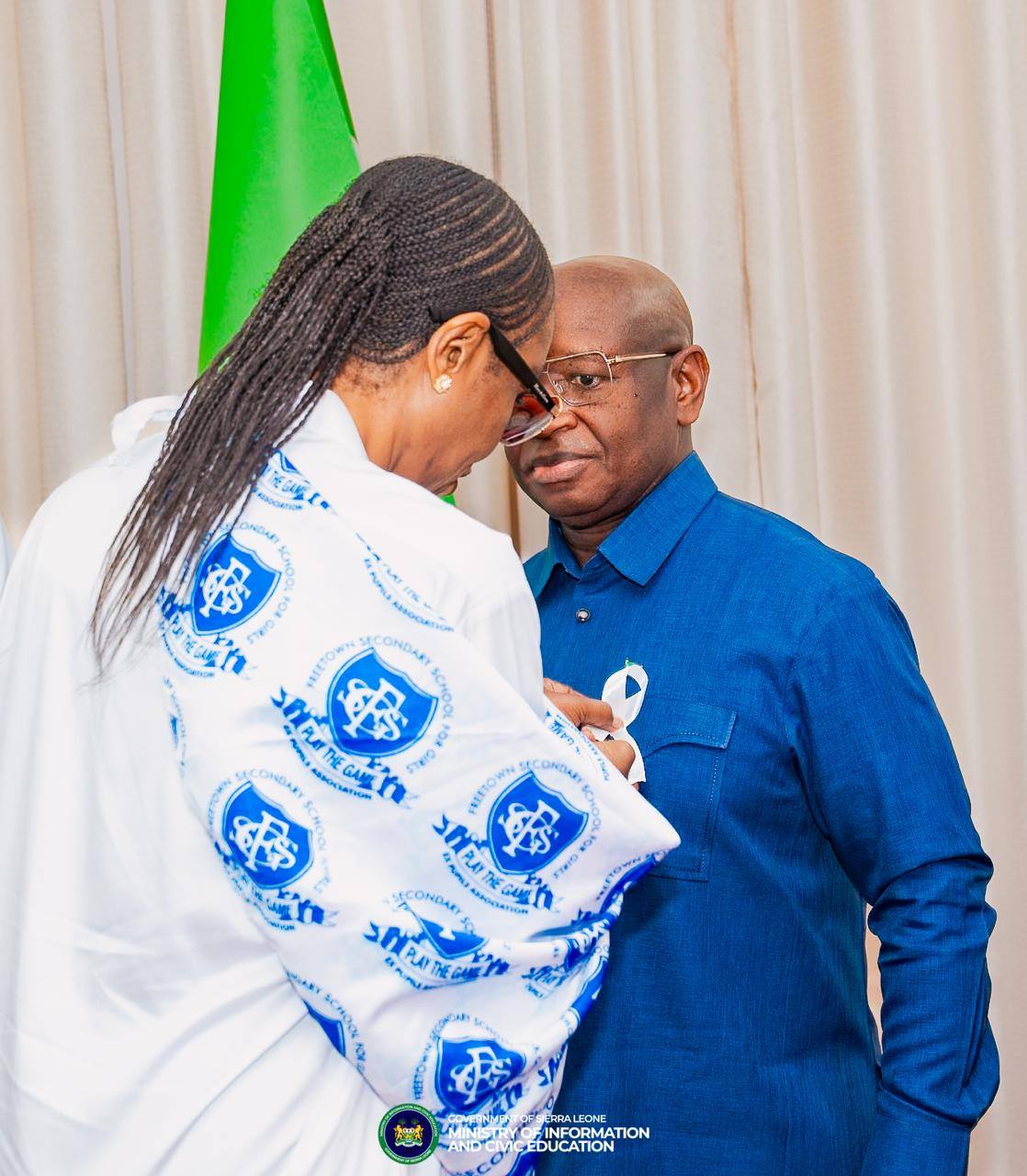
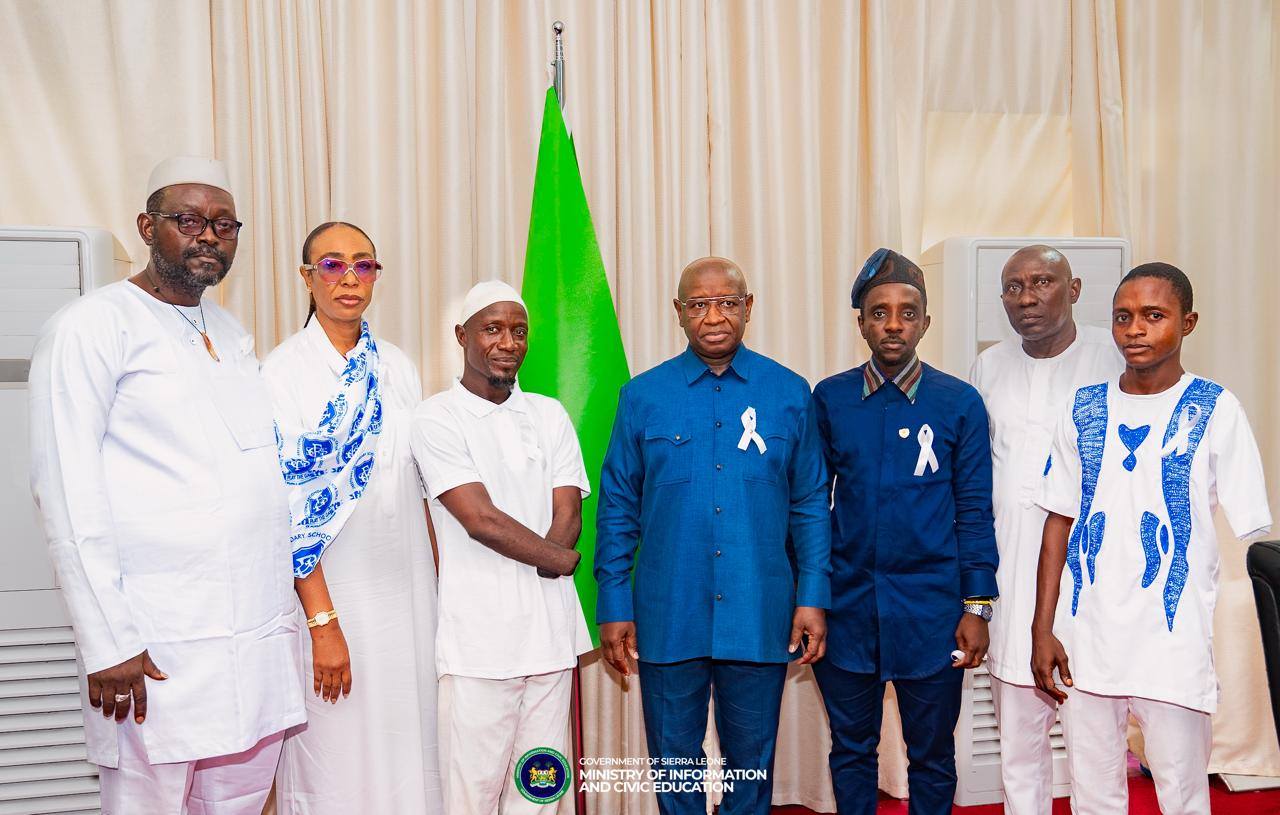
On 11 December 2025, history was finally made. During the Civic Festival organized by the Ministry of Information and Civic Education, His Excellency President Dr Julius Maada Bio formally declared 18 January as National Remembrance Day. This act was not merely symbolic, it was a profound statement of leadership, moral responsibility, and national consciousness. It signaled a deliberate decision to confront the past, honour the dead, comfort the living, and educate future generations about the cost of conflict.
By implementing this long-overdue TRC recommendation, President Bio breathed life into the spirit of the Commission and reaffirmed the principle that a nation that forgets its past risks repeating it. National Remembrance Day now stands as a sacred moment for collective reflection, where the nation pauses to remember the tears, blood, courage, and resilience that shaped its journey from war to peace.
Beyond remembrance, President Bio has steadily translated other TRC recommendations into tangible reforms. His administration abolished the death penalty, reinforcing the sanctity of human life. It introduced a 30 percent quota for women in governance, addressing historic gender exclusion and amplifying women’s voices in decision-making. The government expanded access to justice through decentralization, banned corporal punishment of children, strengthened press freedom, and embarked on the formulation of a new, people-driven constitution rooted in nationwide consultations.
Taken together, these actions demonstrate that the TRC was never intended to be a ceremonial document left to gather dust, but a living blueprint for national transformation. President Bio’s leadership reflects an understanding that peace is sustained not only by the absence of war, but by justice, inclusion, accountability, and remembrance.
In breathing life into the TRC’s vision, President Bio has reminded Sierra Leone that true leadership does not shy away from painful history. Instead, it confronts it honestly, learns from it courageously, and uses it as a foundation to build a future defined not by fear, but by dignity, unity, and enduring peace.


