

Deputy Speaker Ibrahim Tawa Conteh Raises Concern Over Aminata & Sons Agreement
 Aminata Koroma
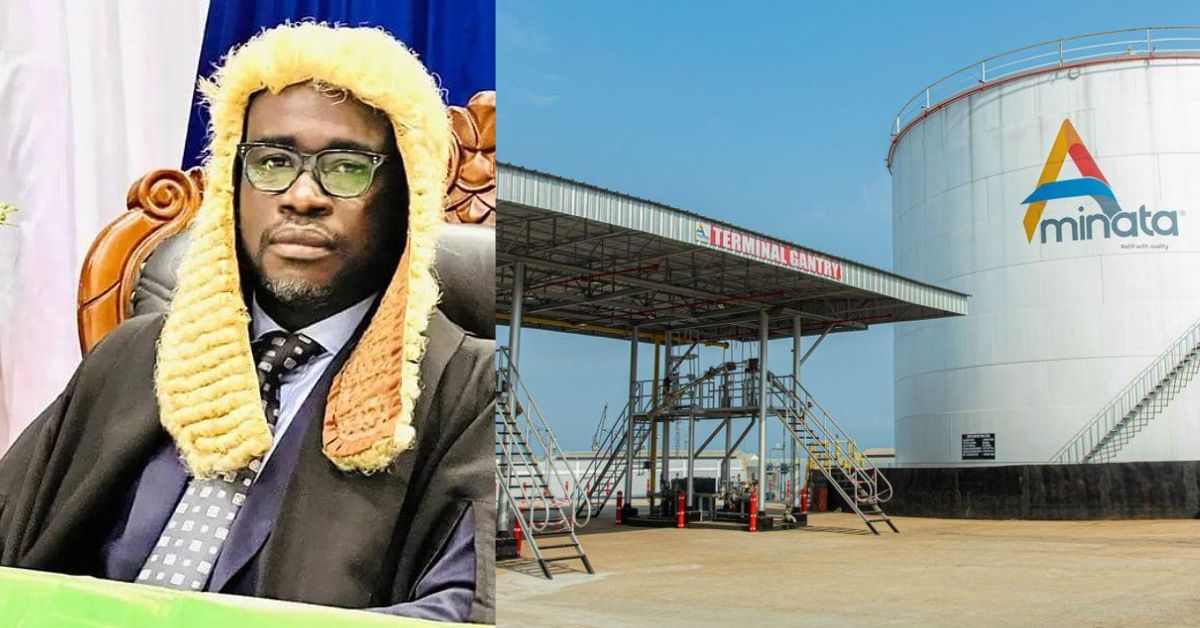
 The Deputy Speaker of Parliament, Hon. Ibrahim Tawa Conteh, has expressed strong reservations regarding the proposed agreement between the Government of Sierra Leone and Aminata & Sons Company Limited, citing significant financial implications for the state.
Speaking during a recent media engagement, Hon. Conteh explained that once an item appears on Parliament’s Order Paper, it becomes a public document. He disclosed that the agreement in question was initially scheduled to appear on the Order Paper two Thursdays ago. However, at the time, the Speaker of Parliament was absent, and he (Conteh) was expected to preside.
According to him, the item was not included on the revised Order Paper, and when attempts were made to amend it to include the agreement, he objected on principle. He emphasised that agreements of such magnitude, particularly those with serious financial implications, must be handled with due diligence and transparency.

Hon. Conteh further revealed that the first aspect of the agreement involved a request by Aminata & Sons for a three-year deferred tax concession. He noted that the company has been operating in Sierra Leone for over five years and has grown to become one of the country’s leading petroleum importers.
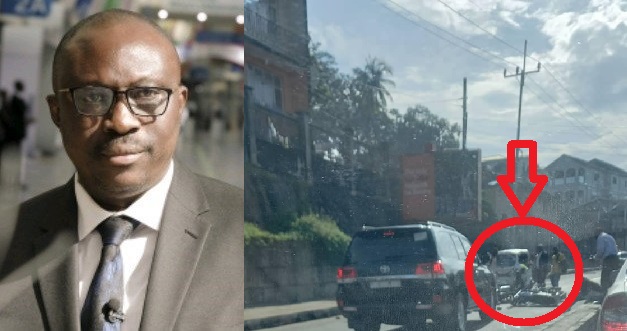


Providing context, he stated that in January alone, Aminata imported approximately 15.5 million litres of petroleum products, including Automotive Gas Oil (AGO) and Bulk Motor Spirit (BMS). He added that the company has significantly outpaced the National Petroleum (NP) in terms of importation volumes.
The Deputy Speaker questioned the rationale behind granting concessions for the construction, rehabilitation, and maintenance of storage tanks. He argued that storage capacity is not currently a challenge in Sierra Leone, and therefore, incentives should instead target sectors that are either underdeveloped or non-existent.
He stressed that the petroleum industry is already a mature and highly profitable sector, contributing substantially to government revenue through import duties, infrastructural development taxes, and other levies that support the operations of the National Revenue Authority (NRA).
Hon. Conteh warned that the country cannot afford to forgo an estimated $11 million in revenue, especially given the lack of alternative means to offset such a loss. He reaffirmed Parliament’s commitment to working collaboratively with the Executive, noting that its role includes scrutinizing agreements and drawing attention to potential risks.
“As Parliament, we are working in collaboration with the government, and that is why when we see issues like this, we flag them and draw the attention of the relevant authorities,” he said.
He concluded by stating that the agreement has since been referred back to the Ministry of Finance for further review and that he has not endorsed it. Given the concerns raised, he expressed confidence that the Ministry would reconsider the proposal.
At present, the agreement is no longer under active discussion in Parliament.
God bless for heart of consideration for the layman in mama salone