
Authorities Assess Strategic Border Points of Entry for Ebola Readiness

 Salamatu Y. Kamara
 The Ministry of Health (MoH) and the National Public Health Agency (NPHA) conducted a joint assessment visit to several strategic Class B Points of Entry (PoEs) across Sierra Leone to evaluate their preparedness and operational readiness for the threat of Ebola virus disease.
The assessment covered key border entry points in Kailahun District: Baidu and Bailu; Kono District: Kaardu; Kenema District: Manojibla and Jarma; Pujehun District: Gbaa.
The purpose of the visit was to assess the capacity of these critical Points of Entry to prevent, detect, and respond to public health threats, and to strengthen compliance with the International Health Regulations (IHR 2005). The team reviewed existing infrastructure, staffing, surveillance systems, screening procedures, risk communication, referral mechanisms, and coordination with border security and other relevant stakeholders.

These strategic border crossings play a vital role in safeguarding the health of both travellers and border communities. The findings from the assessment will guide efforts to strengthen preparedness, improve operational capacity, and enhance the country’s ability to detect and respond rapidly to public health emergencies at its borders.
Strengthening Points of Entry remains a key priority in building a resilient public health system and protecting Sierra Leone from emerging and re-emerging health threats.



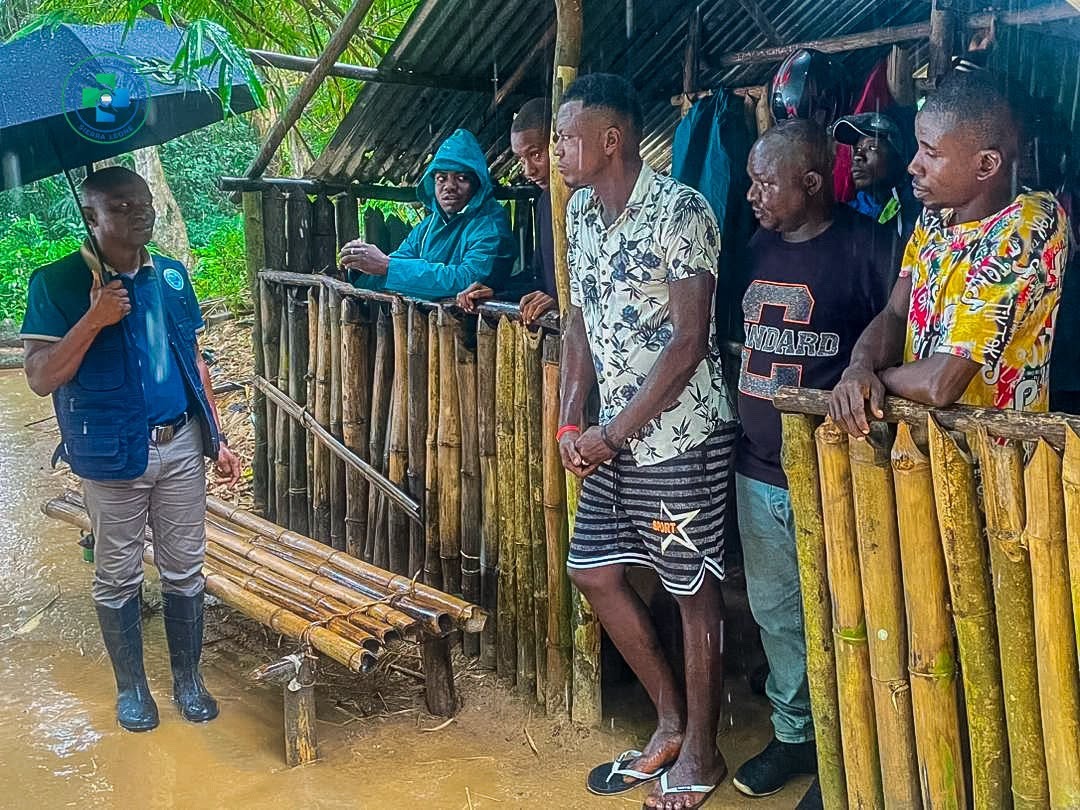
Leading the delegation to Kailahun District, the executive director of the National Public Health Agency, Prof. Brig. Foday Sahr, held extensive discussions with point of Entry staff, applauding their commitment and professionalism in safeguarding Sierra Leone’s borders. He reaffirmed that effective preparedness depends on seamless coordination among institutions and across international borders.
“Viruses do not recognise borders; therefore, our response cannot be limited by them. Our greatest strength lies in collaboration, timely communication, and a shared commitment to protecting lives. Every frontline officer represents a vital link in our national health security architecture, and we must continue to equip them with the knowledge, resources, and confidence needed to respond decisively,” Prof. Brig. Foday Sahr remarked.

He further underscored that early detection, rapid reporting, prompt isolation of suspected cases, and strict adherence to surveillance protocols remain the cornerstone of preventing Ebola transmission. Prof. Sahr also highlighted the indispensable role of community engagement, noting that informed communities are better positioned to identify risks, combat misinformation, and support public health interventions during emergencies.
Recognising that infectious disease threats transcend national boundaries, the MoH and NPHA delegation also paid a courtesy visit to health and border officials on the other side. The engagement focused on strengthening cross-border collaboration, improving surveillance coordination, facilitating timely information sharing, and harmonising response mechanisms between the two countries.
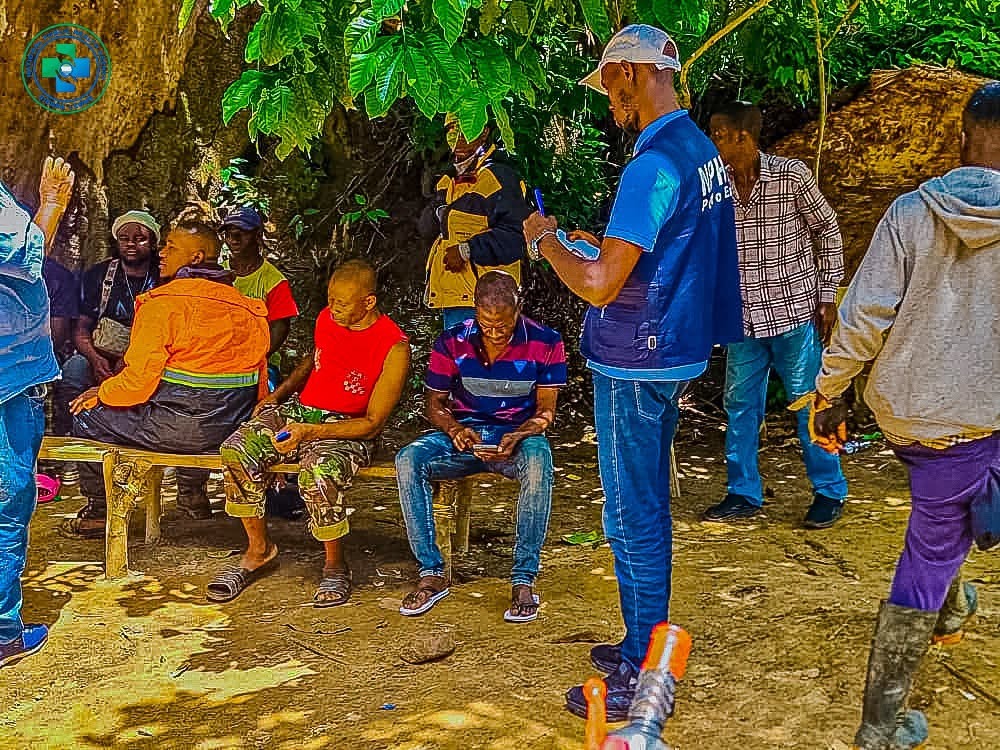
Prof. Sahr reiterated that regional solidarity remains essential to safeguarding public health.
“No country can confront Ebola alone. By strengthening cross-border partnerships, sharing intelligence, and coordinating our preparedness efforts, we build a stronger regional shield against disease outbreaks. Together, we enhance our collective ability to detect, respond, and protect our people.”