

Human Rights Commission Warns of Crisis Facing Fishing Communities
 Aminata Koroma
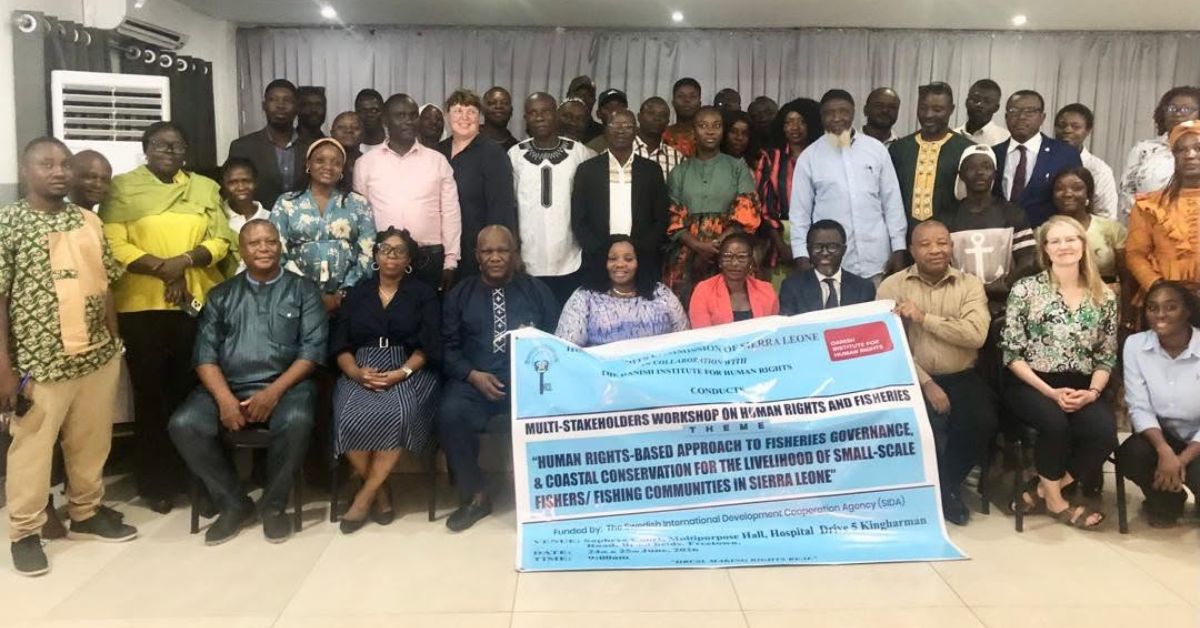
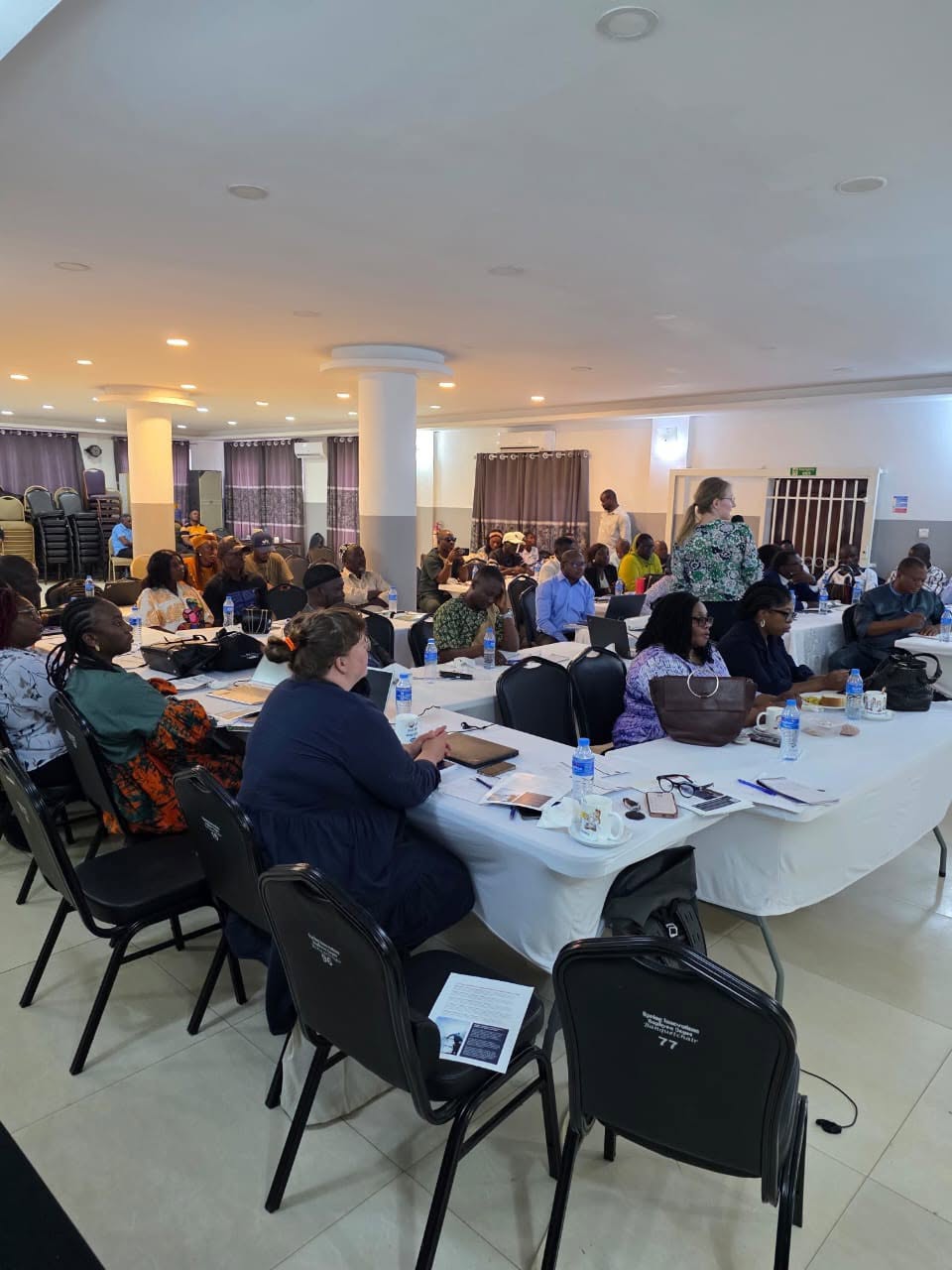
 The Human Rights Commission of Sierra Leone (HRCSL), in partnership with the Danish Institute for Human Rights, concluded a two-day stakeholder workshop focused on protecting the rights and livelihoods of coastal fishing communities.
The workshop was held from 24-25 June 2026 at Saphyre Court Hall in Freetown. It brought together over 50 participants, including government officials, civil society actors, environmental groups, fishing unions, and representatives of women and youth groups.
At the heart of discussions was a stark reality: nearly a quarter of Sierra Leone’s population depends on coastal and marine resources, yet increasing environmental degradation, weak governance, and limited access to resources continue to undermine their survival.


HRCSL Chairperson, Patricia Narsu Ndanema, warned that the strain on marine ecosystems is no longer just an environmental issue but a human rights concern. She pointed to rising challenges affecting access to food, health, education, and a clean environment, alongside troubling reports of child labour within the fisheries sector.
Findings from the Commission’s recent assessments across 14 coastal communities reveal persistent gaps, including weak coordination among institutions, low awareness of fisheries laws, and discrimination against small-scale fishers.
Fishing communities themselves say the impact is being felt daily. Wudie Bakie Koroma of the Sierra Leone Artisanal Fishermen’s Union noted that many fishers are grappling with declining catches, harmful fishing practices, and limited support systems.
Government representatives acknowledged the challenges. Mariatu Sam Komagutu from the Ministry of Fisheries and Marine Resources described fisheries as central to food security, culture, and national development, but admitted that governance weaknesses and environmental pressures continue to affect the sector.
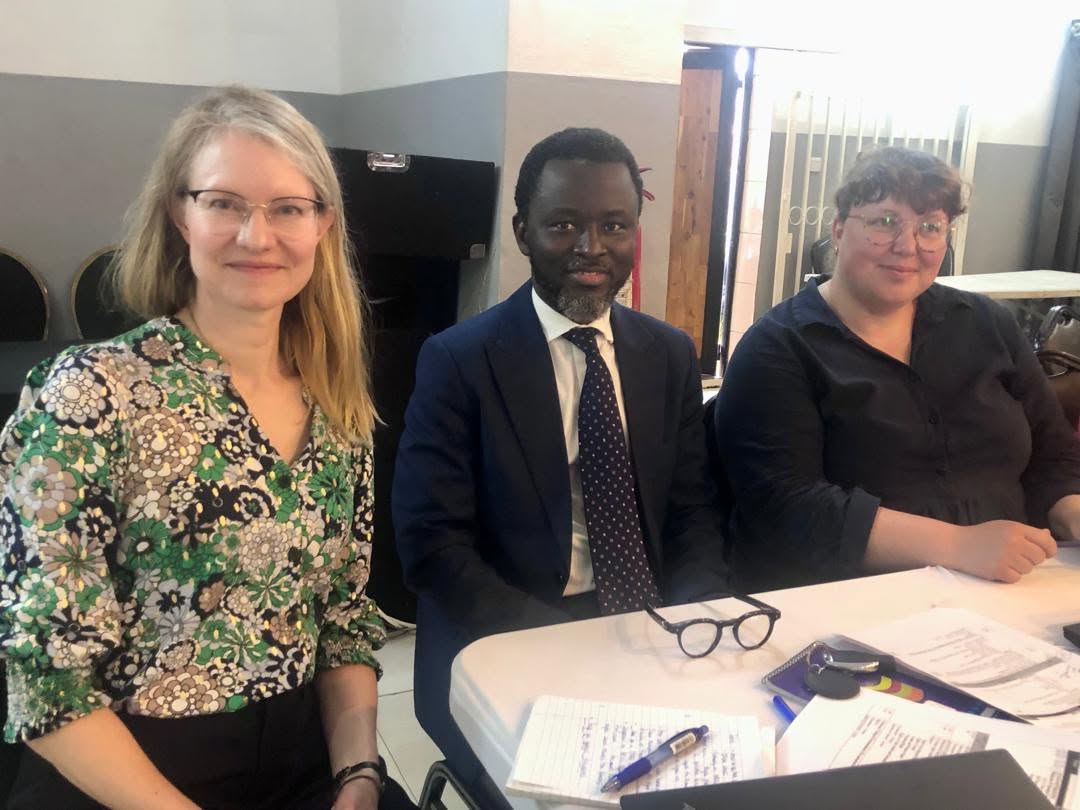
Adding a global perspective, Maria Ploug Petersen of the Danish Institute for Human Rights highlighted how climate change, pollution, and biodiversity loss are intensifying vulnerabilities for coastal populations who depend heavily on the ocean.
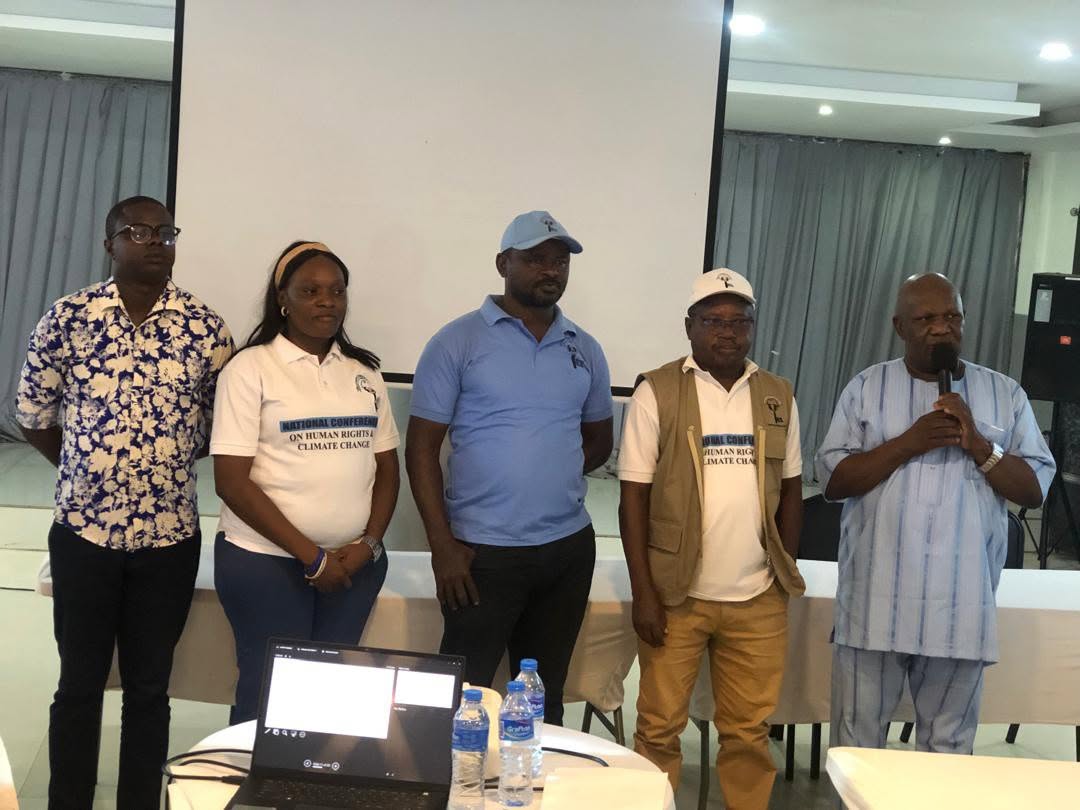
Despite the challenges, the workshop ended with a strong push for solutions. Key recommendations included closer collaboration between government and fishing unions, stronger action against destructive fishing methods, increased investment in marine resource management, and the creation of alternative livelihoods for fishing communities.
Participants also called for a unified voice among fisher groups to better advocate for their rights and welfare.
As pressure mounts on Sierra Leone’s coastal resources, stakeholders say the path forward must prioritise both environmental sustainability and the dignity and survival of the communities who depend on the sea.