

 Post a comment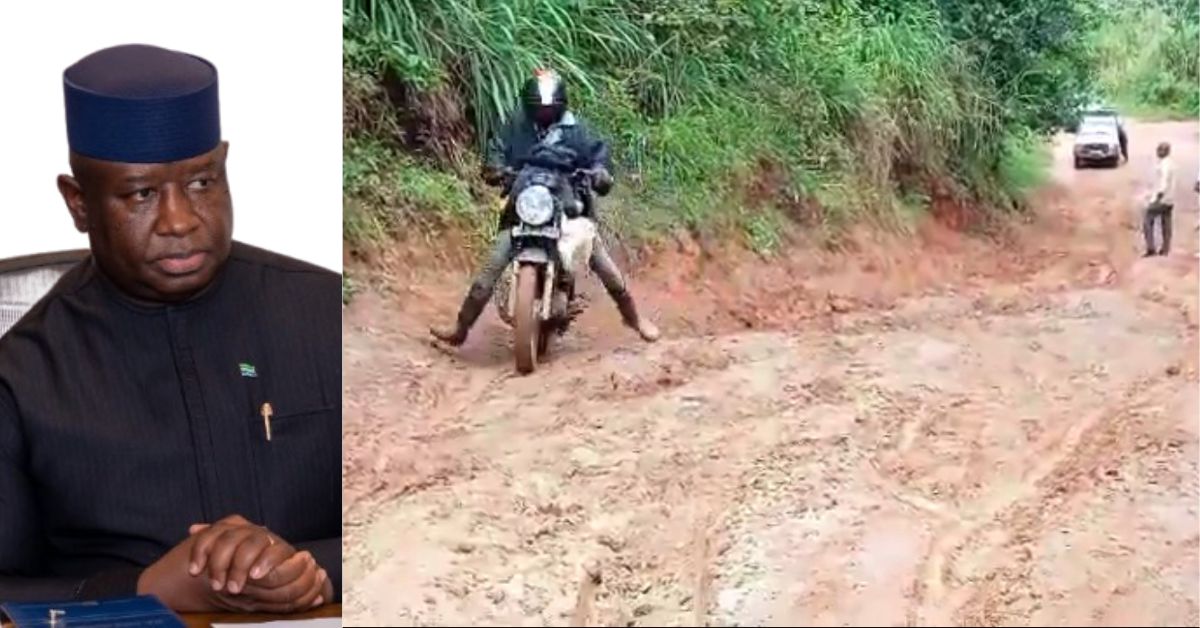
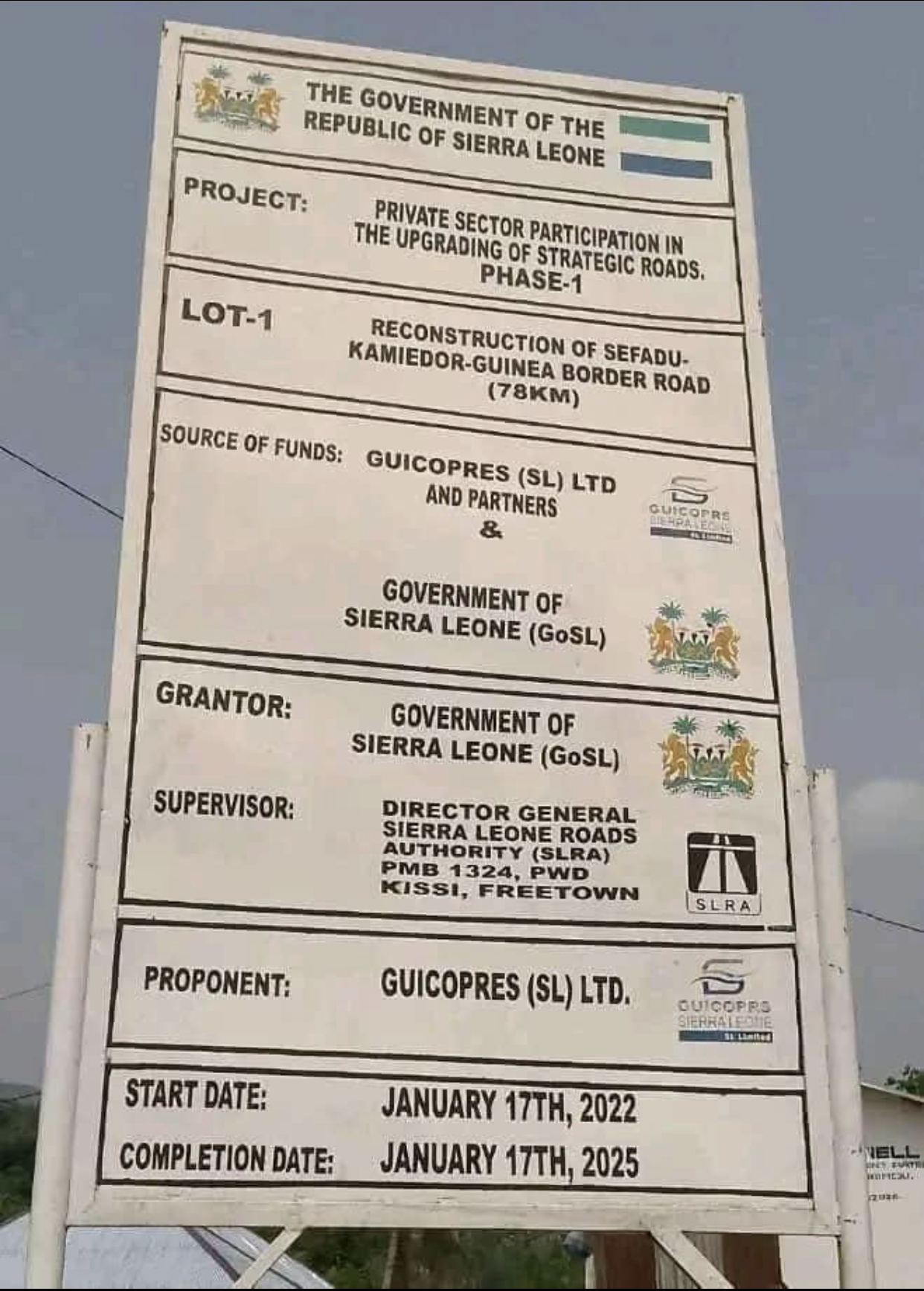
Residents of Kono District have voiced their frustration over the government’s failure to initiate a crucial road project that was promised to begin in 2022.
The Sefadu-Kameidor-Guinea border road, intended to enhance connectivity and economic growth, as reported by Sierraeye, remains in a severely deteriorated state, jeopardizing the safety of travelers.
The project was initially scheduled to commence on January 17, 2025, but has yet to break ground, leading to increased peril for those who rely on the road. Local businesses and farmers had hoped for improved access to markets, but those expectations have reportedly gone unfulfilled, leaving the community disheartened.
Finda Satta Mbawa, representing her husband, the Paramount Chief of Bbane Kandor Chiefdom, emphasized the dangers of the current road conditions. She recalled that the promise of road construction was a key part of President Julius Maada Bio’s campaign messages during the 2018 and 2023 elections.
“They told us that if we vote them in, they will make our road from Koidu to Kamiendor, linking us with Guinea,” she stated, urging the government to prioritize the road’s development.
While acknowledging ongoing construction of a university, Mbawa expressed disappointment that the road improvements have not materialized. “Those were the two key things that they promised us, and we really need them,” she added.
In response to the hazardous conditions, a group of volunteers known as the Kono District Council Public Workers Initiative has been working to improve safety along the road.
Chairman Ibrahim Issa reported that their efforts include repairing slippery hillside roads and making waterways safer for vehicles. “We started work in March this year, dedicating our time to fix crucial areas known for frequent accidents,” he explained, calling for support in obtaining necessary tools.
Motorbike rider Mohamed Banya highlighted the financial burden on commuters, stating that transport fares from Koidu to Mafindor can reach Le 700,000 per person, particularly with luggage. “This road has left at least four of our friends with life-changing injuries,” he said, underscoring the serious risks of navigating the route.
The delay in the road project has notably had a detrimental effect on the local economy, with businesses hesitant to invest in the area due to uncertainty. The stagnation has resulted in lost job opportunities and economic growth, leaving the community feeling disillusioned.
Advocacy groups are now demanding greater accountability from the government and more community involvement in infrastructure planning. They argue that improvements are essential not only for transportation but also for enhancing overall quality of life.
For chiefdoms such as Fiama, Soa, Gbanakador, and Mafindor, the situation represents a critical call to action. Residents expressed determination to hold the government accountable and ensure that the road project becomes a reality, ultimately aiming to improve lives and strengthen the local economy. Despite the ongoing challenges, the community’s desire for progress remains strong.


